
Why a small shopping-data leak can lead to a very convincing scam
A criminal does not need your password if they know enough to make you trust the message.
 SOURCE · Security Affairs
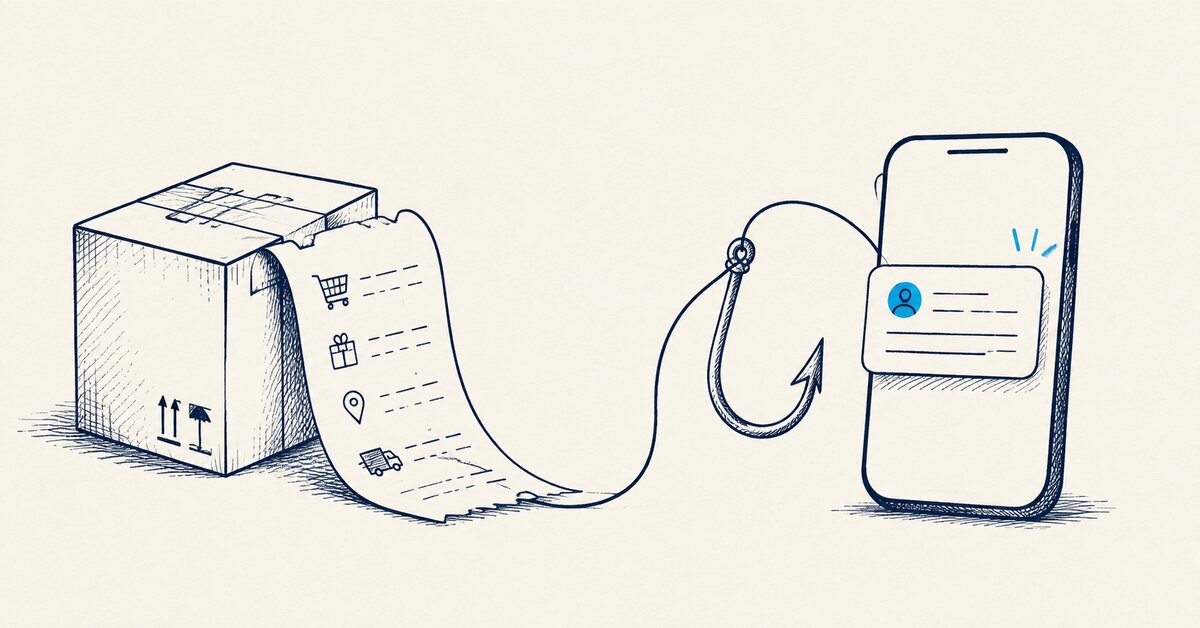
Names, delivery details and purchase histories may sound less serious than passwords, but they give scammers something equally useful: believable context. A message that correctly identifies the product, delivery company and approximate purchase date feels as if it could only have come from the retailer. The criminal can then introduce a small problem—a failed delivery, refund, security check or unpaid fee—and ask for a login, card payment or verification code. The exposed shopping data is therefore not always the final target; it is the trust-building material for the next stage of the attack. Treat accurate personal details in a message as persuasion, not proof of identity. Verify the request through the retailer’s official app, a saved website or a phone number you already trust. Do not use contact details supplied in the message. Be especially cautious when the request creates urgency or asks for a small payment, because a modest amount can be used to capture card data for larger fraud later.
SecBriefs adds context and practical guidance. Reporting remains credited and linked to the original publisher.