
DAILY
TODAY
SecBriefs Daily Analysis — 15 September 2026
Two reported breaches involve identity documents or government identification numbers. IDScan.net’s disclosed incident has uncertain scope, and Revolut says a limited number of customers…
ReadConnecting to the public newsroom data.
SecBriefs turns verified cyber signals into concise decision support—what happened, why it matters, who should care and what deserves action now.
Signal → verification → relevance → decision.
Two reported breaches involve identity documents or government identification numbers. IDScan.net’s disclosed incident has uncertain scope, and Revolut says a limited number of customers…
ReadThis week reinforced a two-track operating problem. First, several high-value technologies—including Cisco Secure Firewall Management Center, MikroTik RouterOS, Adobe Commerce/Magento, an…
ReadAugust’s briefs show a convergence of cyber, fraud and resilience risks around trusted access. Confirmed or reported incidents affected business operations, public-sector systems, payment…
ReadSecBriefs is organized around one job: reduce the distance between an important cyber signal and a useful decision.
Selected cyber and fraud signals, Trend Radar and Daily / Weekly / Monthly analysis that turn developments into priorities and action.
Deeper interpretation of major industry research, with methodology, limitations and practical implications made explicit.
Practical indicator checks that help turn intelligence into the next useful security step, with clear limits on what each check can prove.
Books and plain-English explainers for readers who want to understand the concepts behind the signals and decisions.
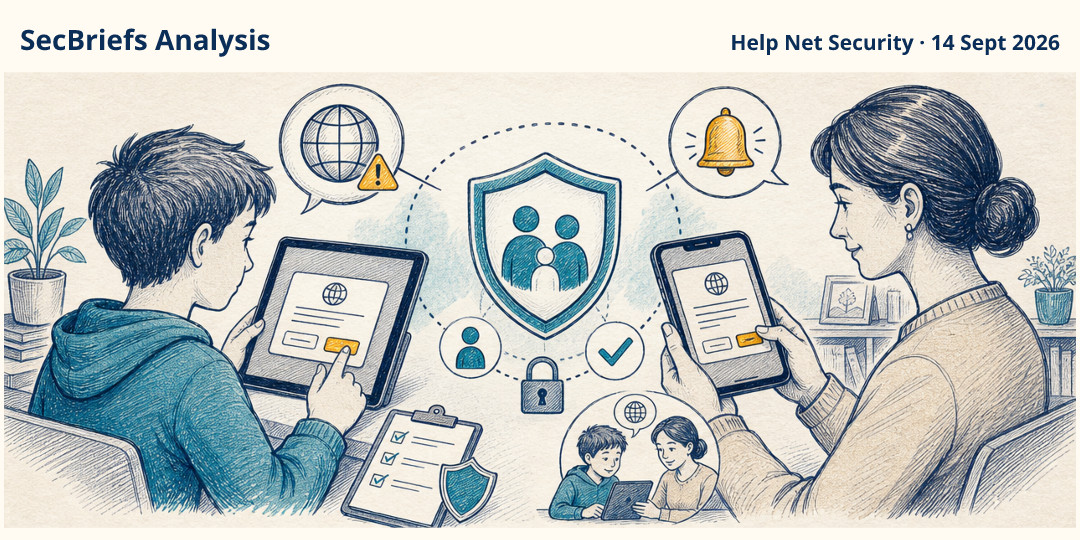
Apple’s new child-account controls let children ask before opening new websites, adding a review step for families using iOS 27, iPadOS 27, or macOS 27.
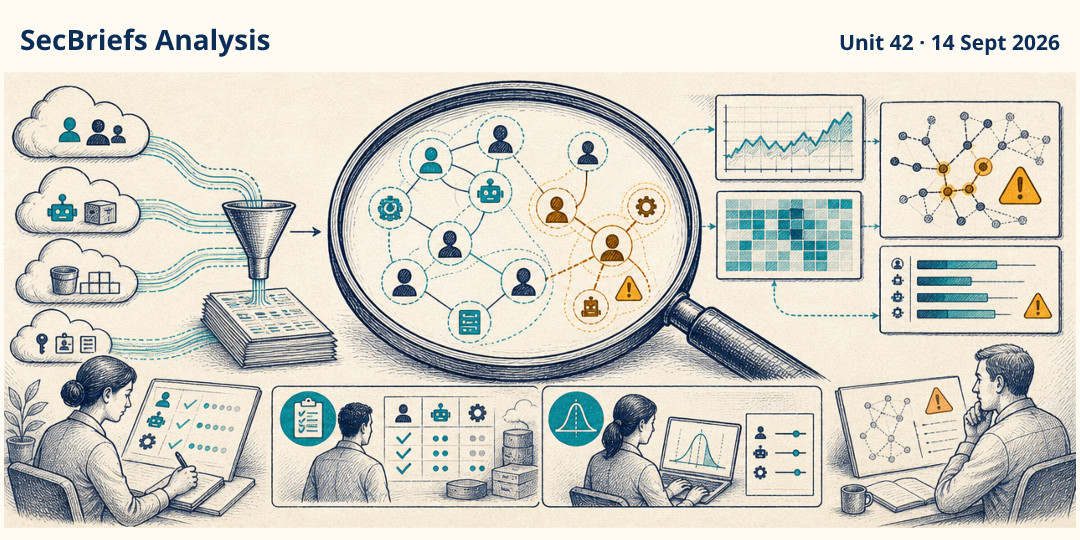
Unit 42 presents a SQL-based method for clustering cloud identity behavior, helping defenders identify roles and investigate activity that falls outside expected patterns.
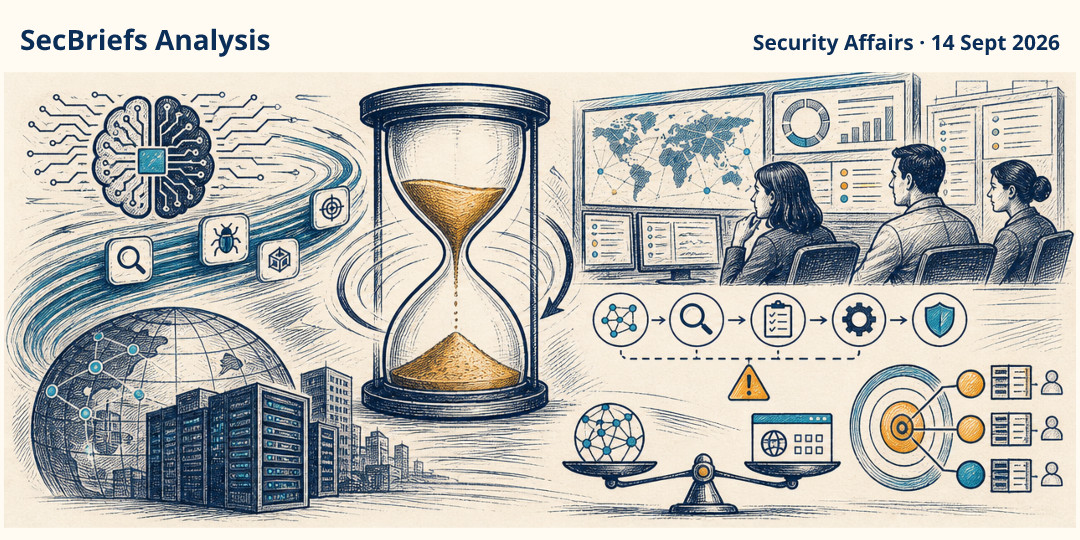
An ENISA assessment warns that frontier AI may shorten the path from vulnerability discovery to exploitation, putting slow patching and manual response processes under pressure.
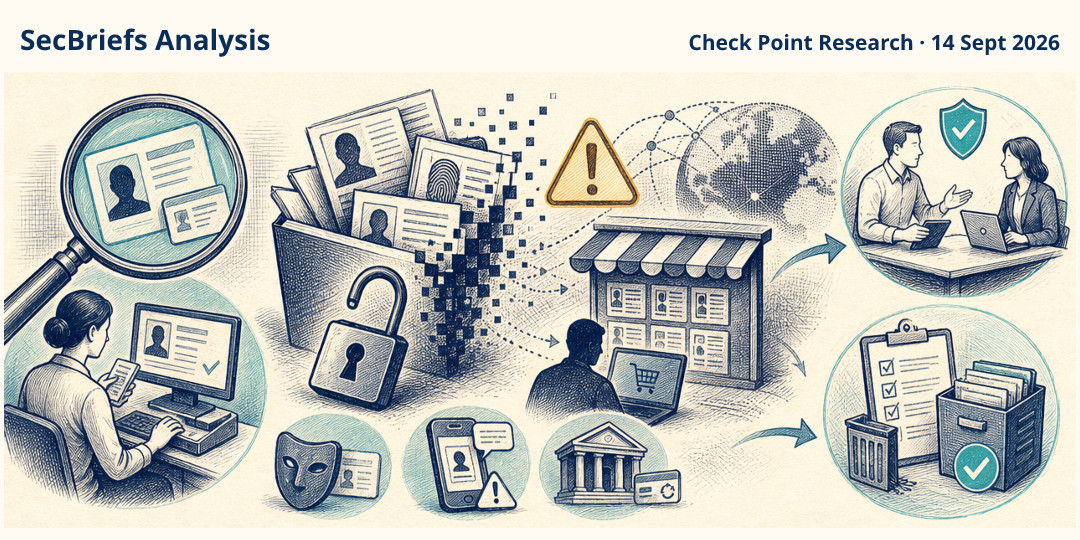
A reported IDScan.net breach may have exposed names and government identification numbers, creating a credible phishing and impersonation risk for affected people.
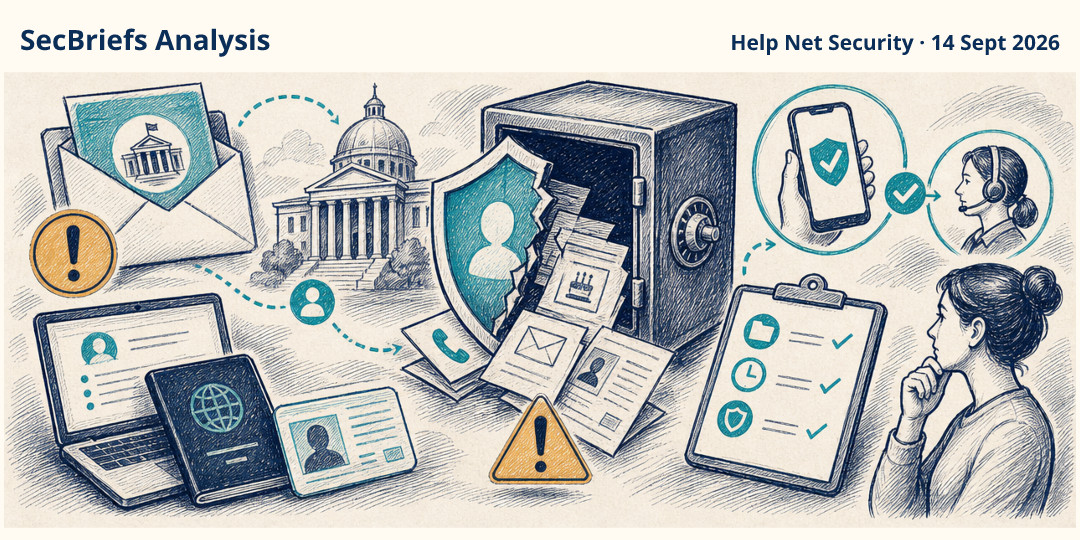
A reported Revolut breach involved an impersonated government agency and may have exposed contact details, birth dates, and identity documents for a limited number of customers.
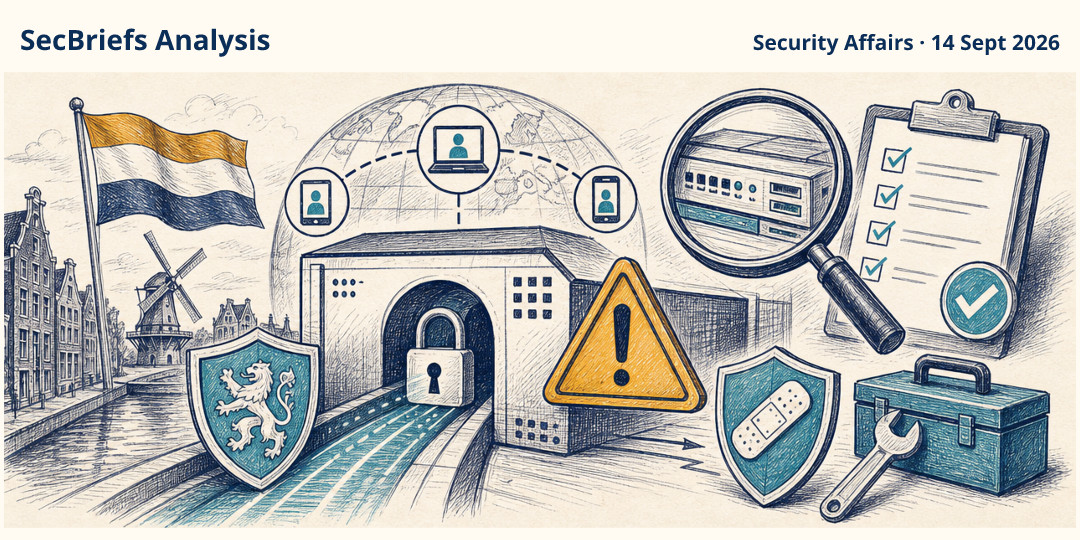
The Dutch NCSC is urging organizations using Check Point VPN products to address two critical flaws and reduce exposure while exploitation remains a risk.
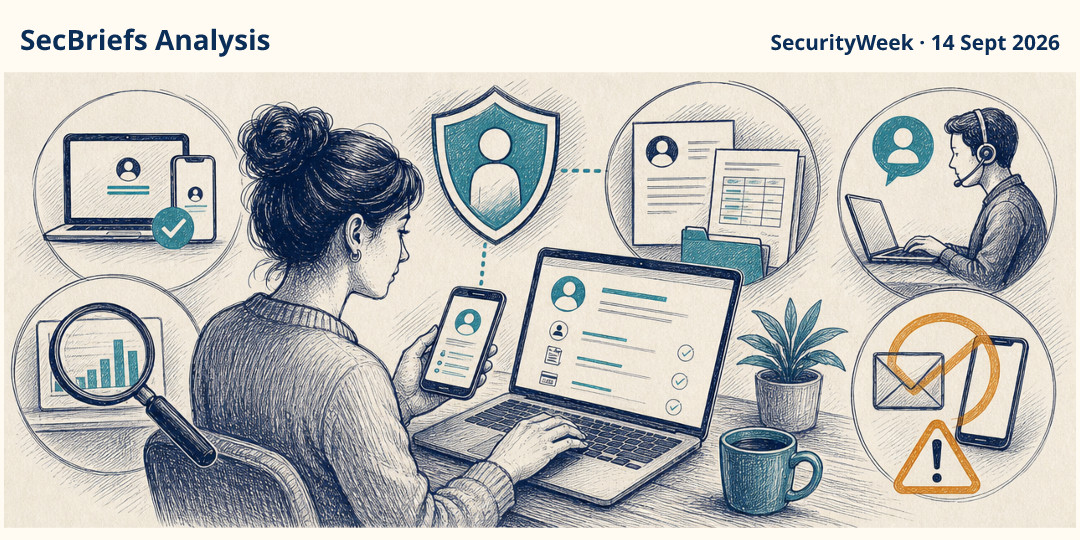
Telus has warned customers that stolen credentials were used over multiple months to access subscriber personal data and billing records.
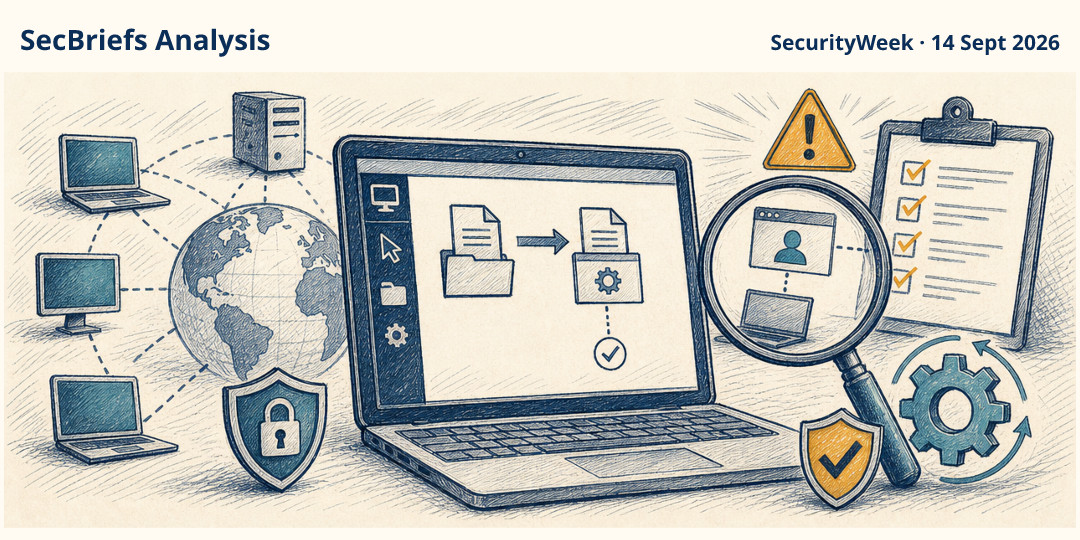
ConnectWise patched a ScreenConnect vulnerability reportedly exploited to transfer and execute files without authorization through active remote sessions.
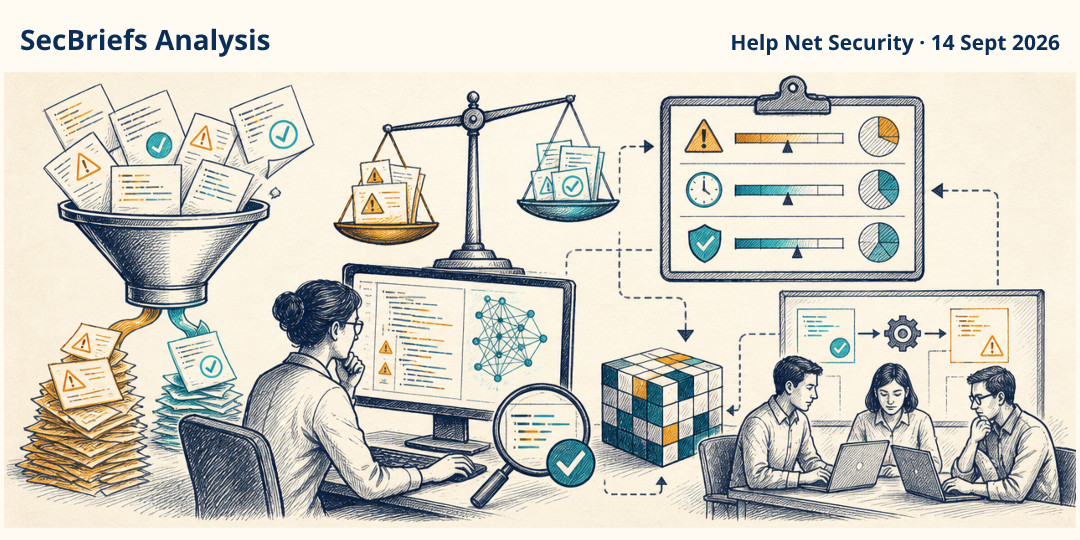
AWS’s public benchmark targets a core AI-security problem: models may flag risky-looking code accurately enough to impress, but inaccurately enough to burden defenders.
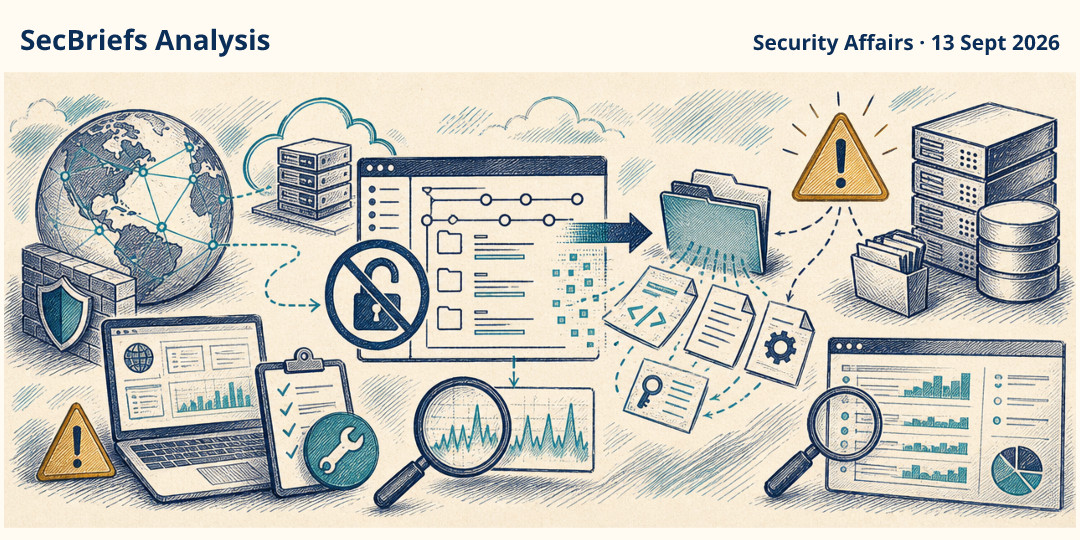
A critical, unauthenticated GitLab path-traversal flaw was reportedly exploited within a day, making patching and exposure checks urgent.
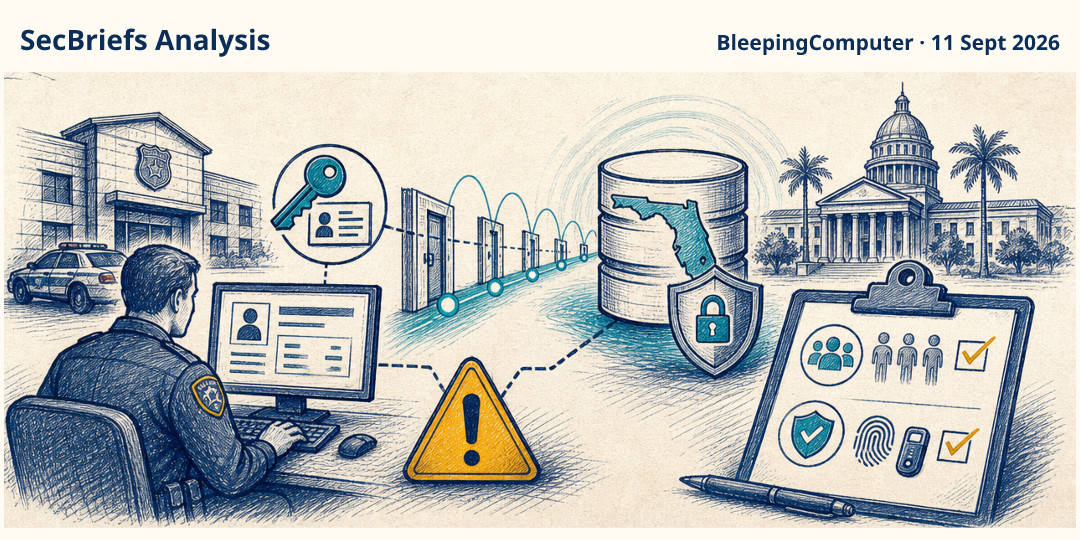
Florida confirms attackers used stolen police credentials to reach its DAVID driver database, highlighting the risk of trusted partner access.
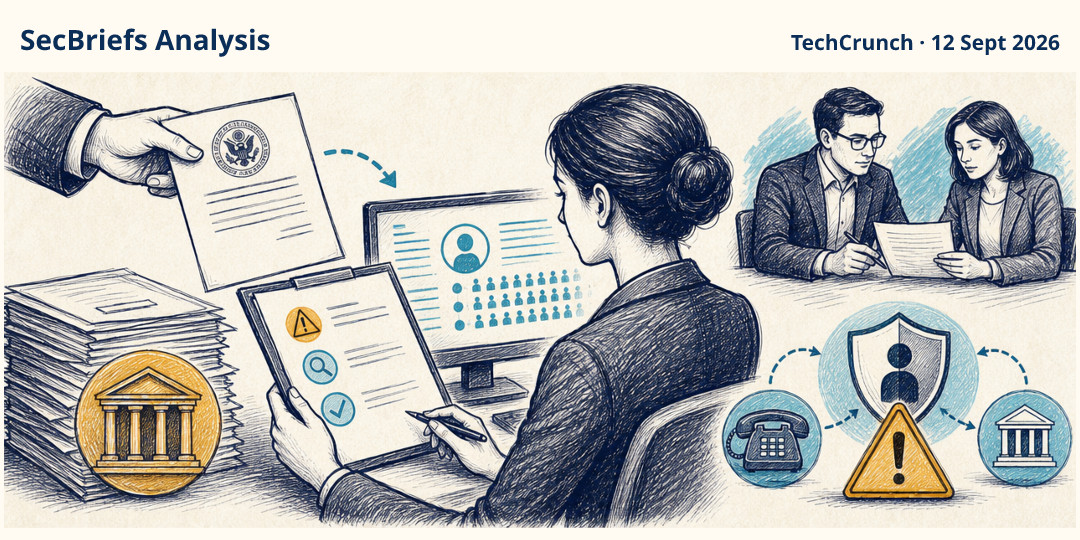
Revolut says fake government requests led to sensitive customer-data disclosure, even though its systems and customer funds were not compromised.
A Windows input utility became an attack path when UNC3569 reportedly used a flaw to deploy GRAYRABBIT through a crafted link.
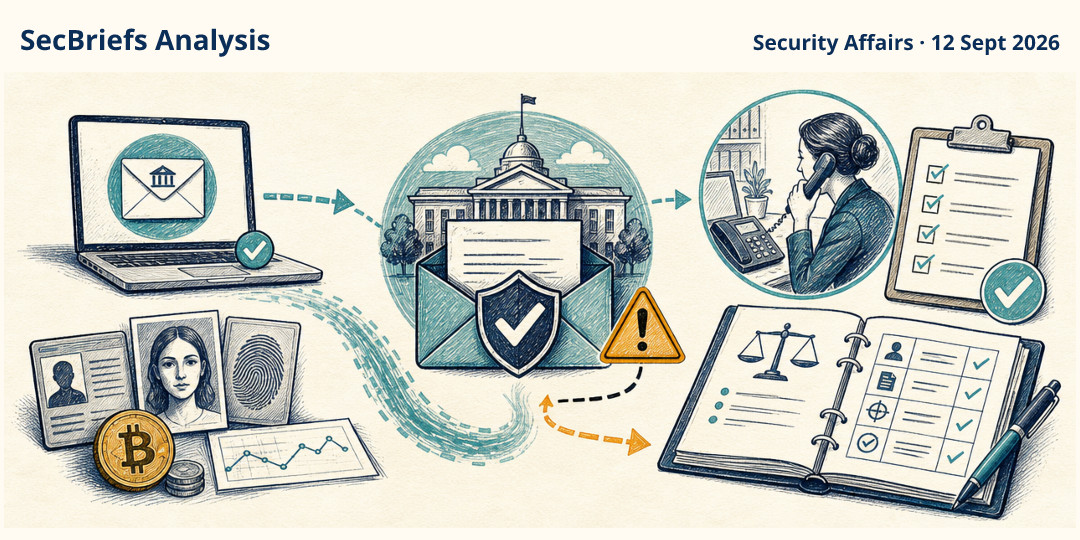
A real government mailbox can still send an unauthorized request. Sensitive-data teams need independent verification before treating email-based authority as sufficient.
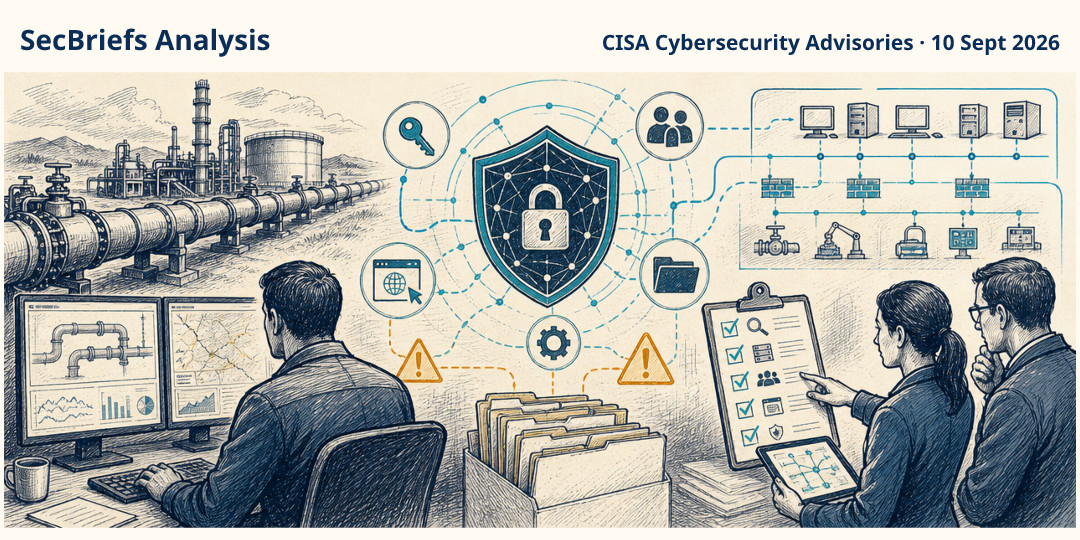
CISA warns that AVEVA Pipeline Integrity Monitor flaws may expose project data or enable browser-session code execution. Validate versions and access paths.
Start with Hack Happens to learn the essential protections. Keep the Cybersecurity Dictionary for Everyone nearby to decode the language—especially if you’re new to the field or preparing for certification.
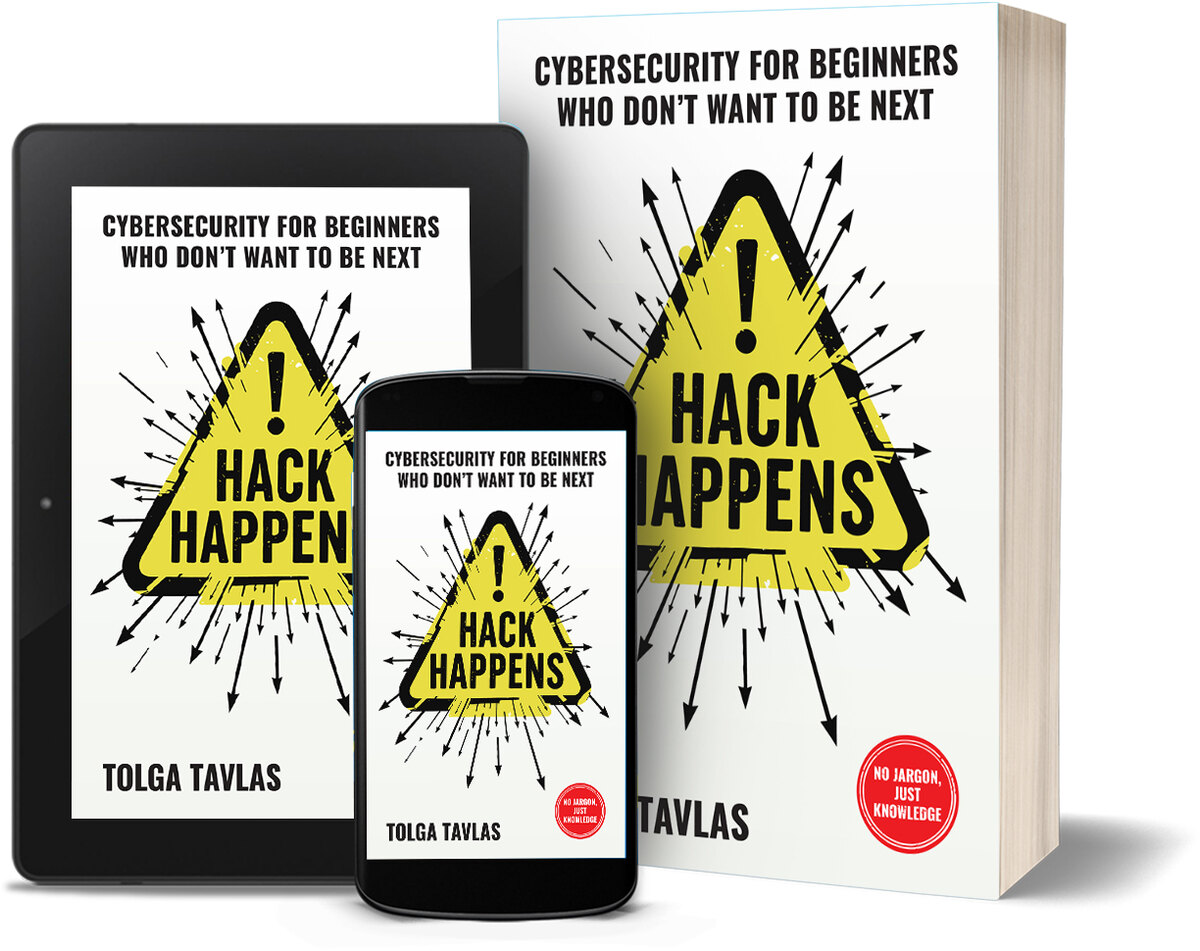
Learn the foundations of personal cybersecurity in one practical, jargon-free guide—from phishing, passwords and identity theft to AI scams, deepfakes, device risks, data leaks, malware and what to do when something goes wrong.
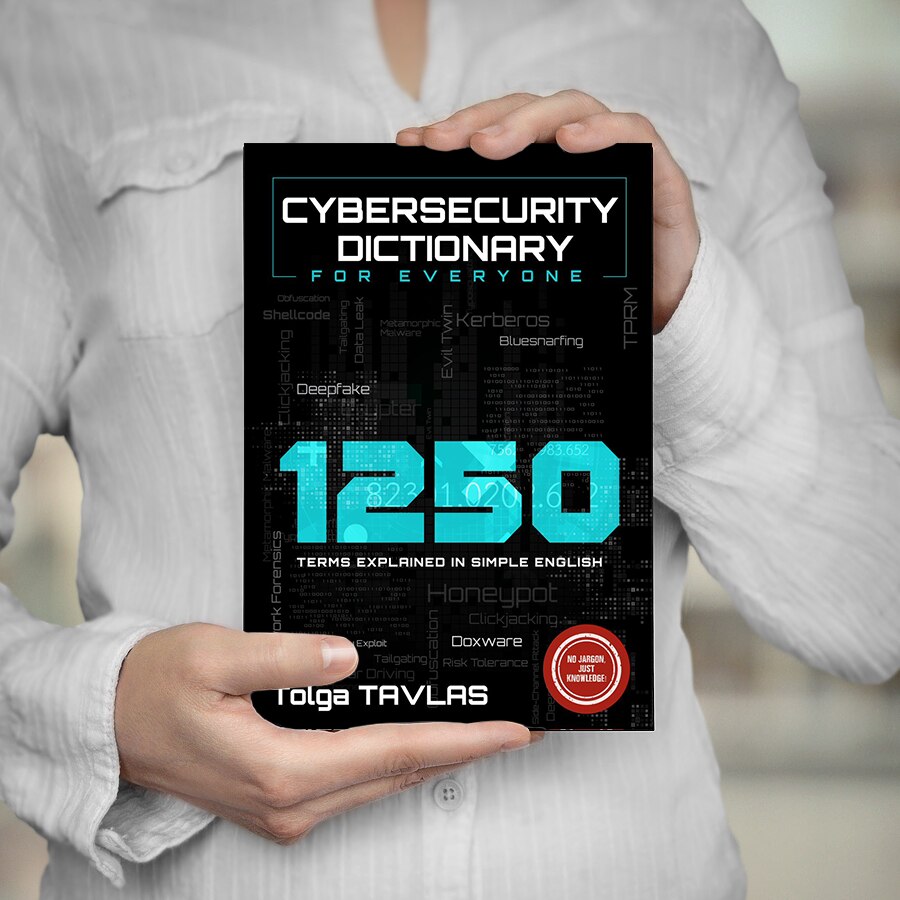
When a report, exam guide or colleague says zero-day, SIEM, credential stuffing or DLP, this is the book that makes the conversation understandable: 1,250 terms in simple English, with real-world examples and related concepts.
SecBriefs is built for people who cannot spend the day reading feeds. We identify the signals that matter, verify what is known, explain relevance and turn the result into practical next steps.
Daily, weekly and monthly analysis provide decision context for security, fraud, technology and business leaders, while our public explainers and books keep the underlying concepts accessible.
Signal → evidence → relevance → action.
We select the useful ones, verify the core facts and explain what changes for you.