
Fake purchase alerts are designed to make victims call the scammer
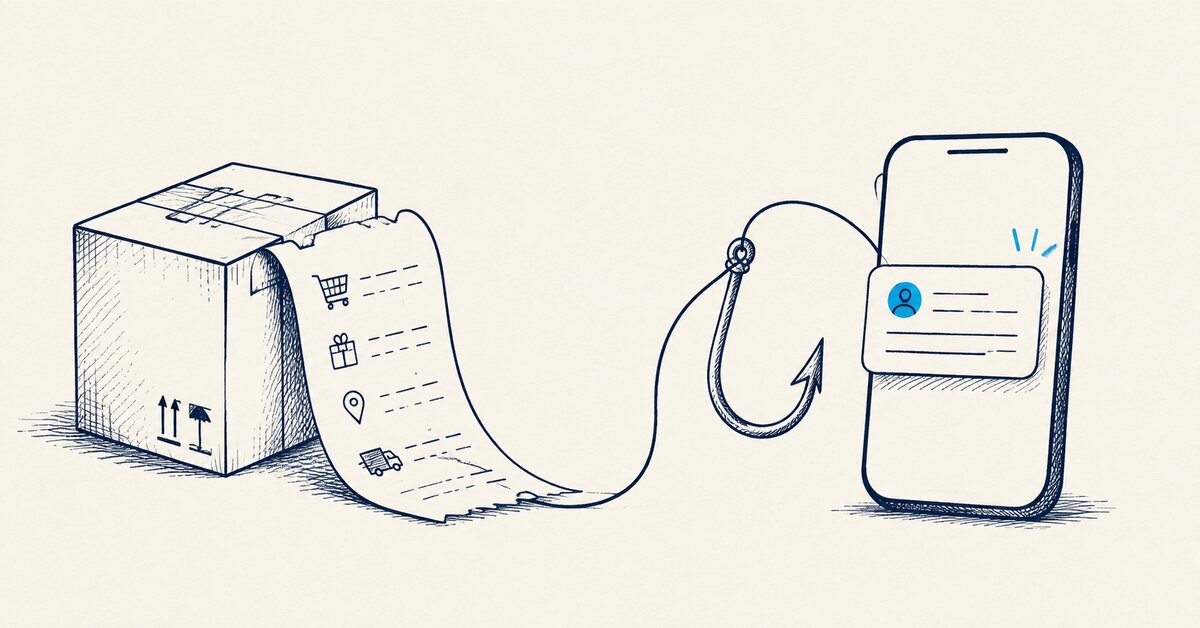
Scammers are sending messages claiming that an expensive purchase has been made and providing a phone number to cancel or reverse it. The apparent purchase is the bait; the real objective is to move the victim into a phone conversation where credentials, payments or remote access can be requested.
 SOURCE · Scamwatch
THE BRIEF
Scammers are sending messages claiming that an expensive purchase has been made and providing a phone number to cancel or reverse it. The apparent purchase is the bait; the real objective is to move the victim into a phone conversation where credentials, payments or remote access can be requested.
WHY IT MATTERS
This technique bypasses the instinct not to click suspicious links. The victim voluntarily initiates the phone call because the message creates urgency around a transaction they do not recognise.
WHO SHOULD CARE
Bank customers, fraud operations, contact centres, payment providers and consumer-protection teams.
WHAT TO DO NOW
- Do not call numbers contained in unexpected purchase alerts.
- Verify transactions through the official banking or payment app.
- Never provide passwords, one-time codes or remote-device access to an inbound support process.
- Banks should brief contact-centre staff on callback-scam patterns.
VERIFICATION NOTE
Verified against the Australian National Anti-Scam Centre Scamwatch alert published 14 July 2026.
SecBriefs adds context and practical guidance. Reporting remains credited and linked to the original publisher.