
The record Microsoft update should be handled as one coordinated remediation effort
BRIEF
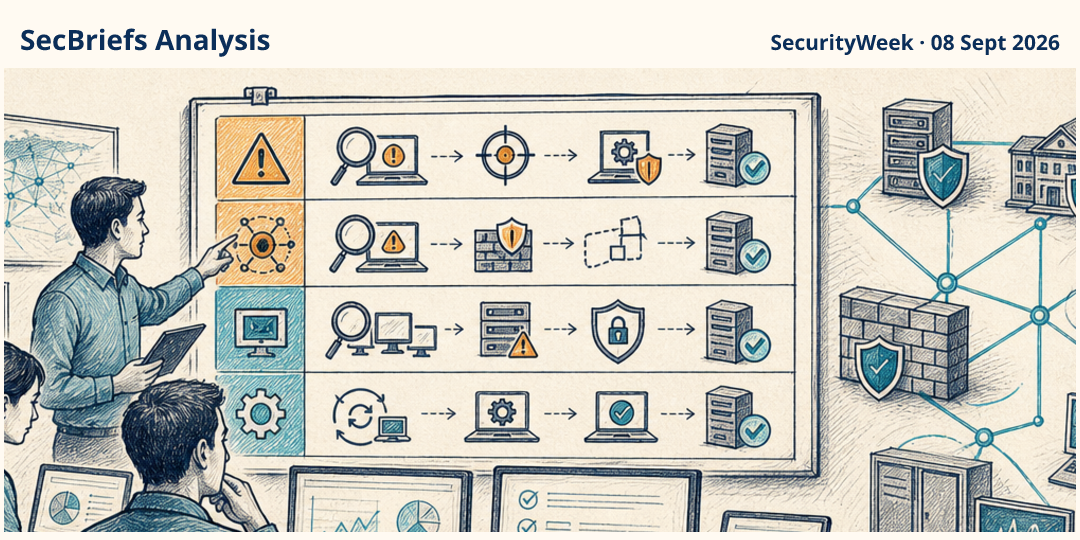
The September 2026 Microsoft security update is described as fixing 974 vulnerabilities, including two that are reportedly being exploited in the wild. It also includes 20 issues characterized as potentially wormable. This item overlaps with the broader Patch Tuesday coverage and should not be treated as a separate set of vulnerabilities requiring a separate response. The practical significance is that a single monthly release combines a large volume of routine fixes with a smaller number of issues that may demand immediate attention. Organizations should identify whether exploited flaws affect their Windows, server, identity, remote-access, or management environments, then patch or mitigate those systems first. The potential for worm-like spread makes segmentation, administrative access controls, and rapid detection relevant even where patch deployment is staged. Public reporting establishes that two issues are considered exploited, but the supplied material does not provide enough detail to determine how common exploitation is, which sectors are affected, or whether every vulnerable configuration is equally exposed. Teams should therefore avoid both extremes: do not assume compromise from exposure alone, and do not wait for confirmed targeting before reducing risk. Coordinate endpoint, infrastructure, identity, and incident-response teams under one change plan and preserve clear records of systems that remain unpatched.
WHY IT MATTERS
The combination of active exploitation and potentially self-propagating flaws can make delayed remediation more costly than an ordinary monthly patch cycle. A coordinated response reduces the chance that endpoint teams patch workstations while high-value servers, domain infrastructure, or remote-access systems remain exposed. It also helps organizations distinguish confirmed exploitation from a simple vulnerable-state finding. The item is a duplicate perspective on the same Microsoft release, so its value is in emphasizing response coordination and lateral-movement controls rather than adding a new vulnerability list.