MikroTik RouterOS SSH exploitation requires emergency exposure checks
BRIEF
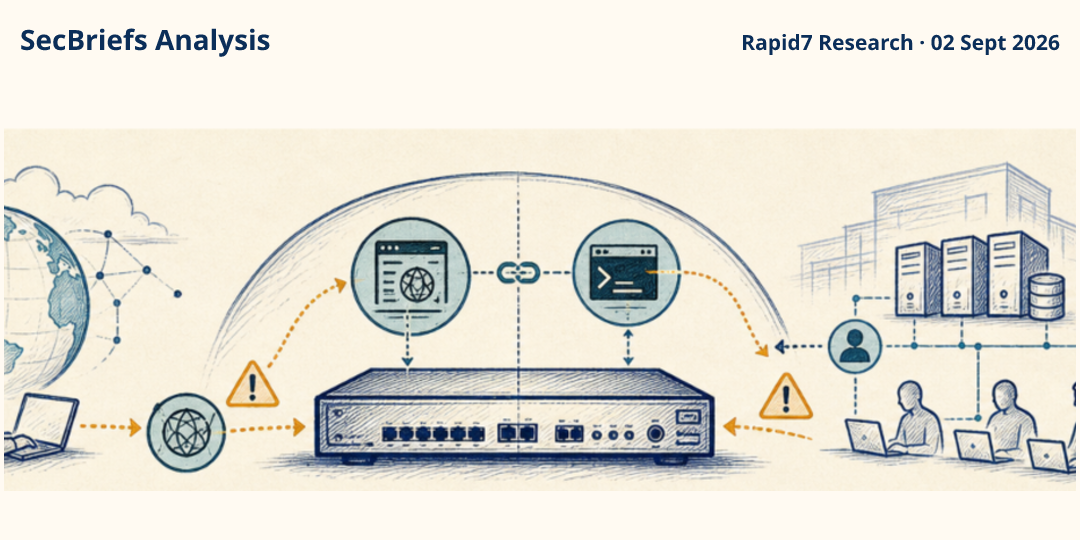
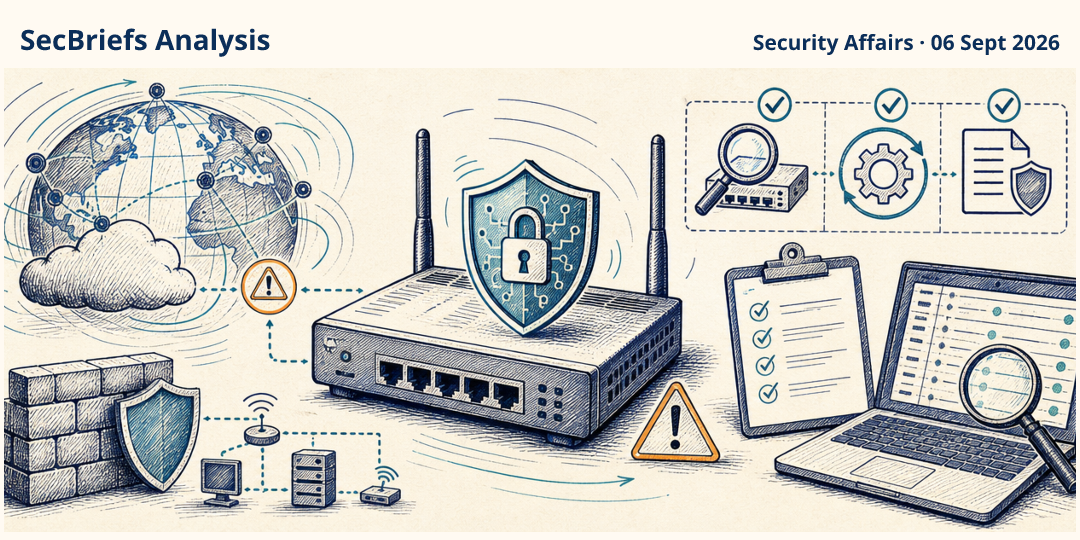
A reported RouterOS SSH zero-day is described as being actively exploited since September 2, with internet-exposed MikroTik routers identified as the highest-priority concern. The supplied reporting names three fixed releases: 7.24.2, 7.23.5, and 6.49.21. It also highlights an unusual SSH account name, “-2,” as a possible post-compromise indicator. The operational message is straightforward: identify exposed devices, patch within the relevant release branch, and examine logs and configuration for signs of unauthorized access. Devices with SSH reachable from the public internet should be handled as potentially compromised until the organization has enough evidence to rule that out. The supplied material does not establish the complete exploitation path, every affected RouterOS version, or how reliable the “-2” account is as an indicator in every environment. It also contains no attacker statement; there is therefore no attacker claim to validate or repeat. Network teams should preserve evidence before resetting or rebuilding a device, because emergency remediation can otherwise erase useful timelines. Where compromise cannot be excluded, rotate credentials and assess whether the router could have exposed internal services or trusted network paths.
WHY IT MATTERS
Routers sit at a boundary where compromise can affect traffic control, remote administration, segmentation, and visibility. An unpatched device may therefore create risk beyond the device itself, especially when its management service is exposed to the internet. The combination of an emergency fix and a named account indicator gives defenders a concrete triage path, but neither proves that every exposed router is compromised. Organizations should separate confirmed evidence from precautionary treatment: patch quickly, restrict SSH, preserve logs, and investigate before declaring recovery complete. The supplied facts do not quantify victim numbers, exploitation success, or downstream impact, so risk decisions should remain evidence-led.