X Money rollout linked to password-reset attacks
BRIEF
Unexpected password-reset emails are being reported as X expands payment-related features. The supplied information establishes an association between the messages and the rollout, but it does not establish who sent them, whether the messages are genuine service activity, whether any account was taken over, or which delivery and credential mechanisms were used. That uncertainty is itself important: an unsolicited reset can be a legitimate security response, an attempt to make a user reveal credentials, or a way to create confusion around a targeted account. Users should avoid interacting with the message until they have independently opened the service through a known route and checked account activity. Organizations supporting customers or employees on the platform should prepare for questions about resets, login prompts, and possible payment-account changes. Security teams can use the event as a reminder to monitor unusual reset volume, enforce strong authentication, and make recovery procedures resistant to phishing. The item is a user-safety signal, not proof that the payment expansion caused a confirmed breach.
WHY IT MATTERS
Payment features increase the consequences of account confusion, even when no compromise has been confirmed. A fraudulent reset flow can seek credentials, authentication codes, or other recovery information; a genuine reset can also indicate that someone is testing an account’s recovery process. The available facts do not identify the attacker or confirm an attack chain, so teams should avoid treating every message as evidence of compromise. The safer response is consistent verification: use a separately opened application or website, inspect account activity, and escalate suspicious messages through established channels. Customer-service and fraud teams should be ready for related reports.
WHO SHOULD CARE
X users, payment and fraud teams, customer-support leaders, identity administrators, and security-awareness owners should care. Banks and merchants that rely on social-platform identities or communications should also anticipate customer confusion without assuming that an account has been compromised.
WHAT TO DO
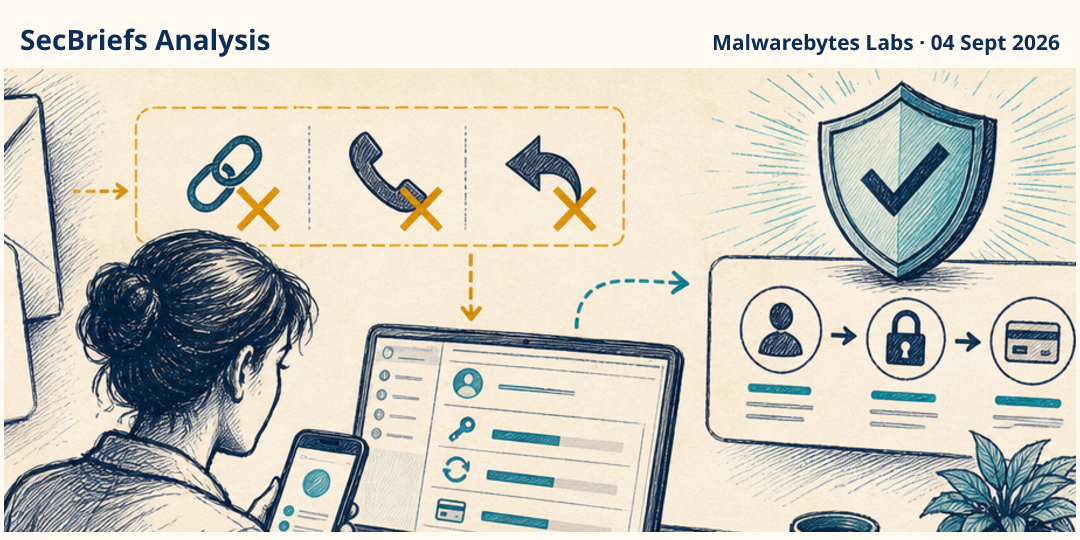
- Tell users never to use links, phone numbers, or reply addresses in an unexpected reset message; open the service through a known bookmark or official app instead.
- Review account login, recovery, and payment activity through an independently verified session, then change credentials and revoke sessions if activity is unexplained.
- Monitor help-desk and fraud channels for clusters of reset reports, repeated authentication prompts, or requests for one-time codes.
- Reinforce phishing-resistant multifactor authentication where supported and document an out-of-band account-recovery path.
TECHNICAL DETAILS
Malwarebytes documents unsolicited password-reset messages associated with the expansion of X payment features; the item provides direct user-safety relevance.