412,000 The Town 2025 Ticket Buyers’ Data Hits the Dark Web
BRIEF
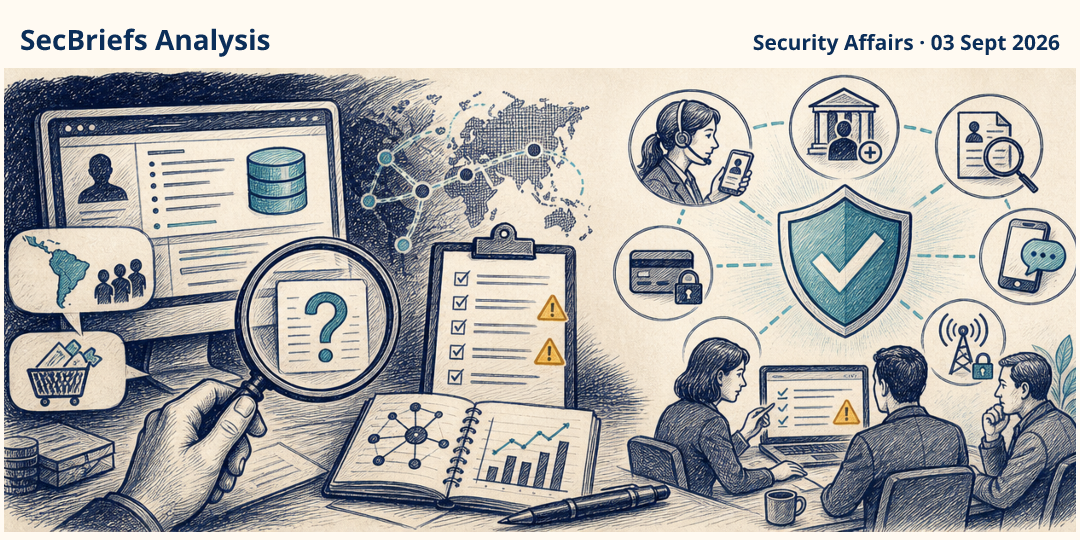
A seller on a Russian-language data-trading forum is advertising what they describe as a database containing more than 412,000 Latin American purchase records connected to The Town 2025 festival, with many records reportedly from Brazil. The listing is said to be priced at $10,000 and marketed for bank fraud, loan applications, and SIM registration. These are seller claims, not confirmed breach facts. The supplied reporting does not independently establish that the records are genuine, complete, current, or sourced from Ticketmaster or the festival. That distinction matters for response decisions: organizations should not treat every advertised field or claimed victim count as verified. They should, however, use the report as a fraud-intelligence signal and test whether exposed purchase information could strengthen impersonation or account-opening attempts. Relevant controls include identity verification, customer-service authentication, new-account review, loan underwriting, payment changes, and SIM or telephone-number changes. Financial institutions with customers in the reported region can ask fraud teams to look for unusual combinations of personal, purchase, device, and telecom signals. Any outreach or notification should wait for appropriate validation and coordination with affected parties, rather than repeating the seller’s claims as established fact.
WHY IT MATTERS
Purchase records can become useful fraud material when combined with identity details, contact information, or other breached data, but the available evidence does not confirm what this listing contains. The risk is therefore conditional, not a measured incident impact. Banks should use the claim to test controls around impersonation, loan and account applications, password recovery, and SIM-related changes. Detection should emphasize unusual behavior and corroborating signals rather than automatically blocking customers linked to a festival purchase.
WHO SHOULD CARE
Fraud operations, identity and access teams, retail banking, lending, customer-service security, telecom-fraud specialists, and threat-intelligence teams should care. Privacy, legal, and communications functions should help distinguish an unverified marketplace claim from a confirmed data incident.
WHAT TO DO
- Record the listing as unverified intelligence and avoid treating its claimed source, volume, fields, or authenticity as confirmed.
- Ask fraud teams to test for unusual loan, account-opening, password-recovery, customer-service, payment, and SIM-change activity involving relevant geographies or customer segments.
- Review whether purchase history or easily obtained personal details can materially weaken identity verification, and add independent signals where needed.
- Coordinate with relevant partners or affected organizations on lawful validation, customer protection, and notification decisions before making public claims.
- Monitor for account-takeover and synthetic-identity patterns that combine contact, purchase, device, and telecom changes.
TECHNICAL DETAILS
The reported dark-web listing and seller claims are covered by the source, but the authenticity and completeness of the records are not independently established. Do not state the seller’s claims as confirmed breach facts.