AI agents require continuous access decisions, not one-time trust
BRIEF
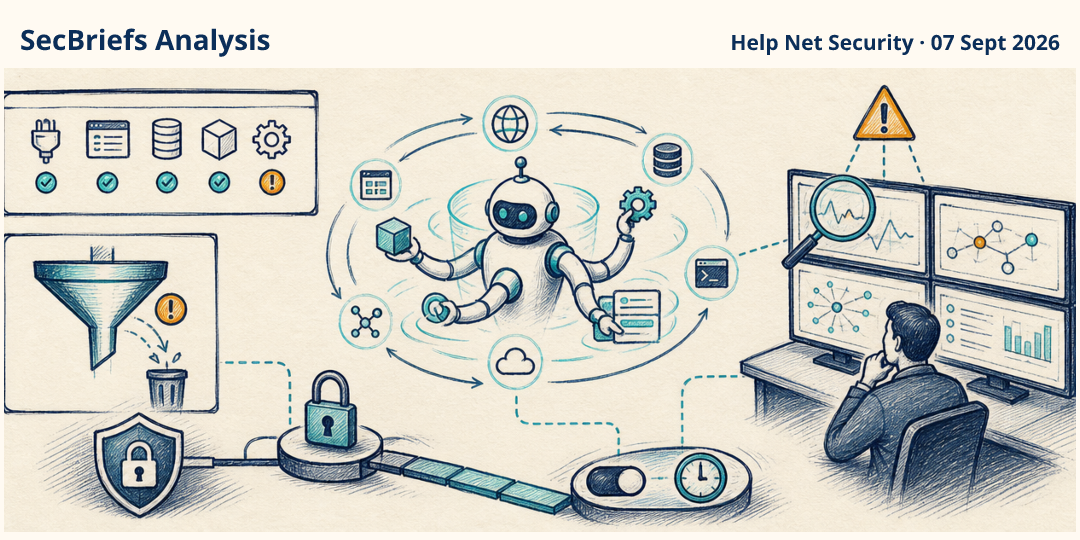
AI agents create a security problem that traditional zero-trust designs may not fully address. Unlike a human user who usually starts and stops an action, an agent can make rapid, repeated decisions, call tools, and continue operating as conditions change. The interview argues that a one-time identity check and a broad least-privilege role are not enough when an agent’s behavior can evolve during a task. It presents a model built around trusted runtimes, no default permissions at startup, and continuous observation of what an agent is doing. Those ideas point toward treating each tool call and material change in behavior as a fresh security decision, rather than assuming that an approved agent remains safe. The discussion is a product-oriented expert perspective, not evidence from a breach, controlled testing, or independent validation. Attacker claims: none are reported, and no specific compromise is described. Security teams should therefore use the recommendations as design questions: map agent actions, limit access by task and time, log decisions and tool use, and define rapid shutdown paths before deploying agents against sensitive systems.
WHY IT MATTERS
An agent with valid credentials can potentially move faster and operate for longer than a human, making excessive permissions and delayed detection more consequential. Continuous monitoring may help identify unusual tool use or behavior changes, while starting with no permissions can reduce the impact of an unsafe or misconfigured agent. The practical value of these controls remains uncertain because the discussion does not provide independent testing, incident data, or comparative evidence showing that one design performs better than another. The main takeaway is to avoid treating agent approval as permanent trust. Access, behavior, and authorization should be reviewed throughout an agent’s task.