
Invisible Unicode can make phishing content look harmless to filters
BRIEF
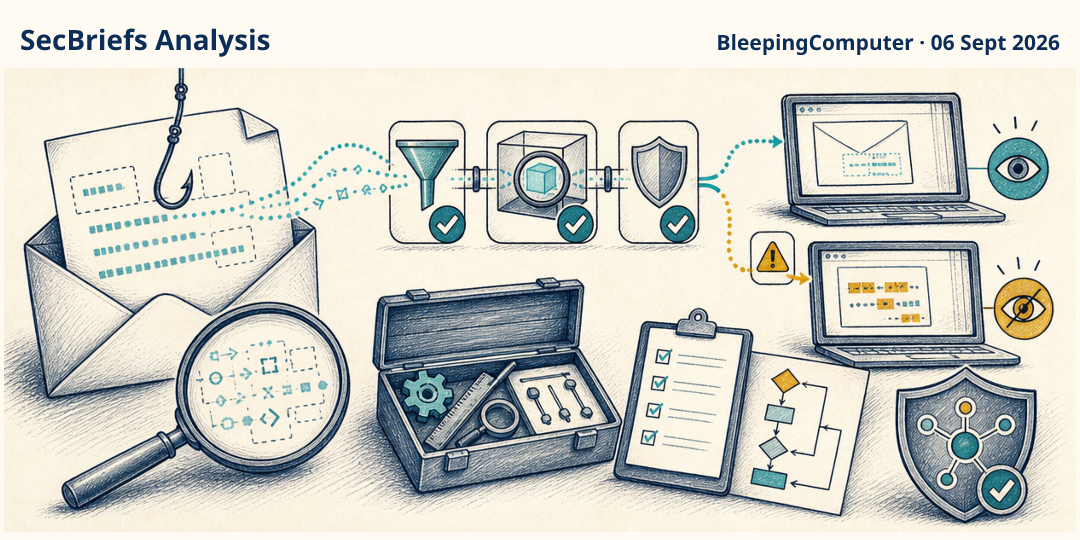
Phishing operators are using invisible or visually deceptive Unicode characters to disguise text inside email lures. This technique, often called ASCII smuggling, can make a message appear ordinary to a recipient while causing automated inspection tools to interpret its contents differently from the way a browser, mail client, or other renderer displays them. The result may be reduced visibility for suspicious words, links, or instructions that would normally trigger filtering or detection. The technique does not make a message inherently trustworthy, nor does it bypass every security control. Its effectiveness depends on how individual products normalize, render, and inspect Unicode text. Organizations should therefore treat unusual text rendering as a detection and user-awareness issue, not merely an email-filtering problem. The reported behavior is supported by primary technical research and independent coverage. No attacker statement is required to establish the technique, but the supplied material does not show that every campaign using it will evade a particular organization’s controls.
WHY IT MATTERS
Text-based defenses can miss content when inspection and human-visible rendering produce different results. That gap matters because phishing controls often rely on matching words, domains, or patterns before a message reaches a user. Even when filtering works, inconsistent rendering can complicate triage and make reports harder to interpret. Security teams should verify how their mail gateway, threat-detection tools, ticketing systems, and security-awareness workflows handle nonstandard Unicode. The key uncertainty is product-specific: the technique’s impact depends on normalization and rendering behavior, so organizations should test their own stack rather than assume either universal exposure or universal protection.