Stolen infostealer sessions can bypass password-focused account defenses
BRIEF
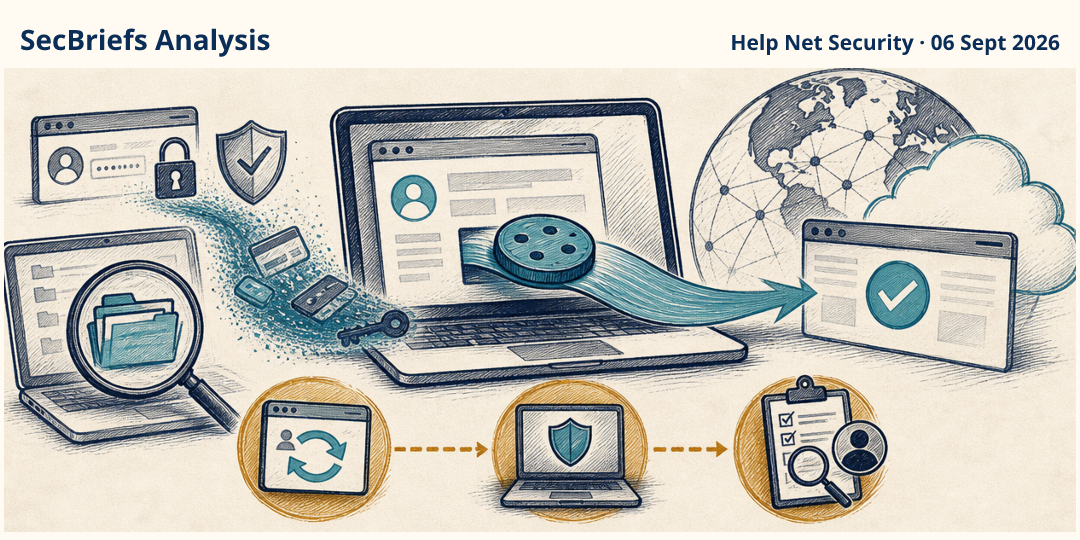
A reported account-security incident led to users being locked out after infostealer malware compromised their login sessions. The key distinction is between stealing a password and stealing an already authenticated browser session: a session can allow access to continue without the attacker needing to repeat the original login process. The supplied material does not say how many accounts were affected, which session technology was involved, how the endpoints were infected, or what actions attackers performed. It does establish enough to justify a defensive review for organizations that use browser-based services, especially where sensitive data or privileged workflows are involved. Password resets alone may not address an active session, so response teams should include token and session revocation, endpoint investigation, and review of activity conducted during the suspicious period. There is no attacker statement in the supplied facts, and no attacker claim should be inferred. The report also does not establish a confirmed fraud campaign or specific data theft. Teams should therefore avoid assuming impact while still treating unexplained session compromise as an identity incident. Recovery should link the affected user, endpoint, session records, and unusual service activity into one timeline.
WHY IT MATTERS
Session theft changes the response pattern for account compromise. A user may have a strong password and multifactor authentication yet still present a valid session to a service if an infostealer captured browser data. That can complicate detection, user notification, and evidence collection. Organizations should review whether their identity and application controls can revoke active sessions promptly and whether security monitoring distinguishes a new login from activity within an existing session. The supplied facts do not show the attack’s scope or consequences, so teams should not overstate exposure. They should, however, treat affected endpoints and sessions as linked parts of the same incident.