Loyalty points are an overlooked target for account and payment fraud
BRIEF
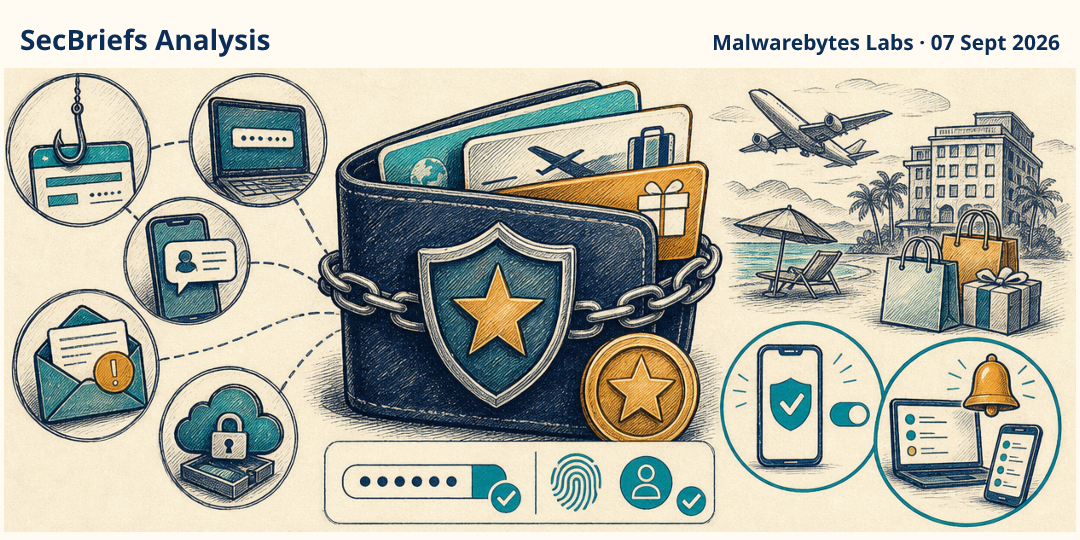
A Malwarebytes podcast examines loyalty-points fraud and practical ways consumers can reduce their exposure. The item is educational guidance, not a report of one newly confirmed breach or campaign, so it should not be read as evidence that a particular rewards program has been compromised. Loyalty accounts can still be attractive to criminals because points may be redeemed, transferred, sold, or used to obtain goods and travel without directly stealing cash from a bank account. Fraudsters may obtain access through reused passwords, phishing, social engineering, infostealer malware, weak recovery processes, or abuse of customer-service workflows. The podcast’s central warning is relevant to both consumers and organizations: rewards balances should be treated as valuable assets, and unexpected activity should be investigated promptly. The exact prevalence, losses, and techniques vary by program and are not established by this source alone. Users should check whether their programs support multifactor authentication, transaction alerts, redemption controls, and account locks. Businesses should make recovery and support processes resistant to callers who know only basic personal details.
WHY IT MATTERS
Rewards fraud is easy to overlook because points may not appear in bank statements and victims may discover losses only after an attempted redemption. A compromised loyalty account can also expose personal information, travel plans, or linked payment details. Controls that protect ordinary accounts—unique passwords, multifactor authentication, alerts, and careful recovery procedures—can reduce risk. The source provides awareness and advice, but it does not quantify a specific incident or prove that every loyalty program faces the same attack pattern.