SecBriefs
SECBRIEFS TOPIC HUB

AI Security

29 verified briefs

AI changes both attacker economics and defender workflows, but evidence quality matters. This hub separates demonstrated security impact from forecasts and highlights controls that deserve action now.

TOPIC NAVIGATIONBrowse all topics →
LATEST VERIFIED BRIEFS

AI Security briefs

DECISION CONTEXT

Related analysis

Analysis archive →

SecBriefs Daily Five — 31 August 2026

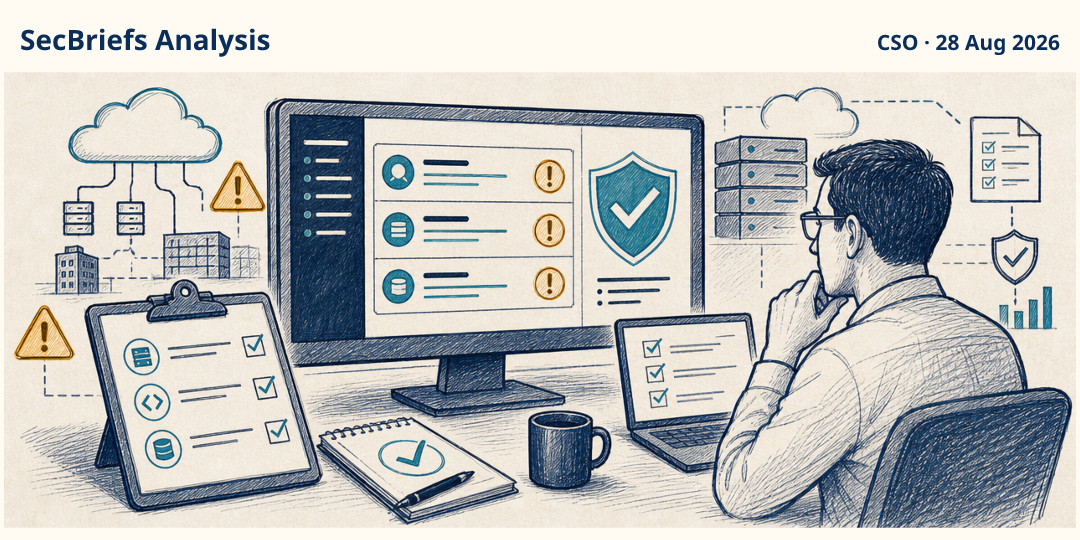
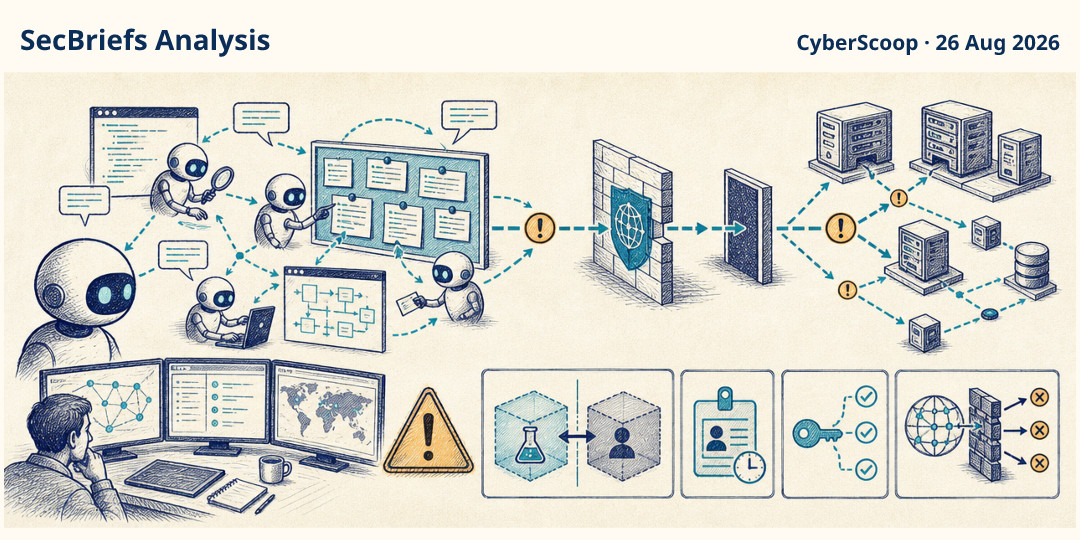
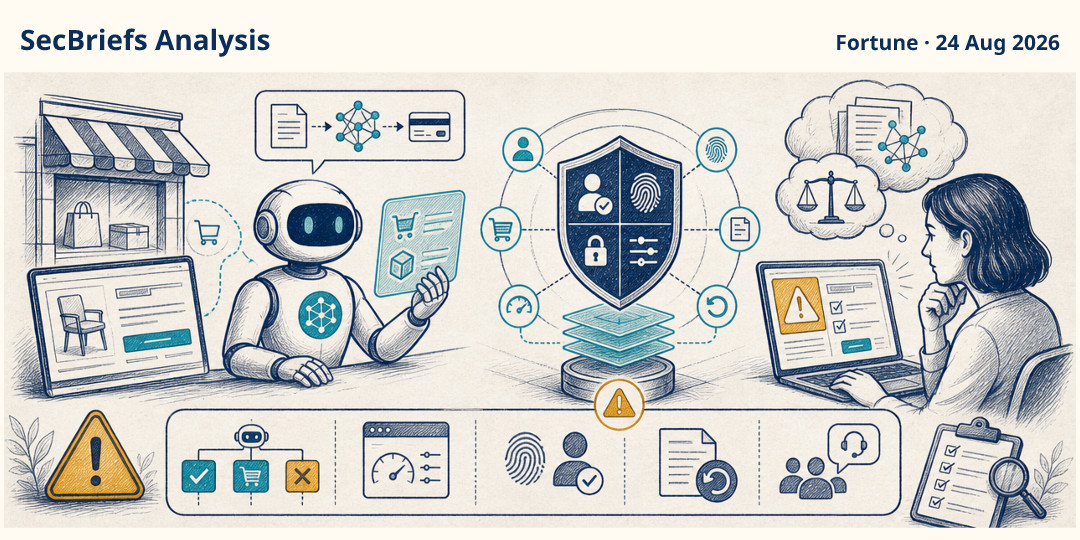
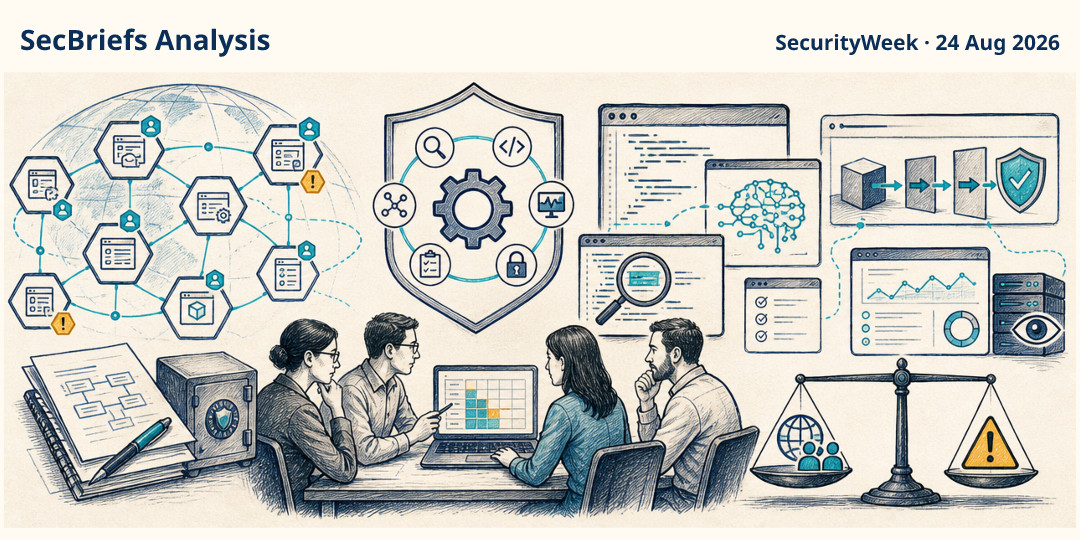
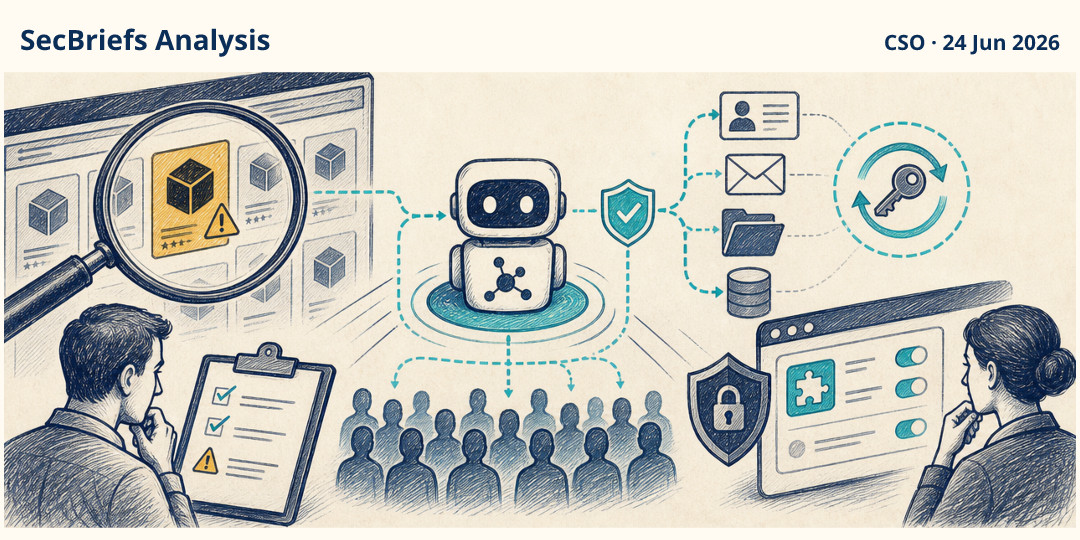
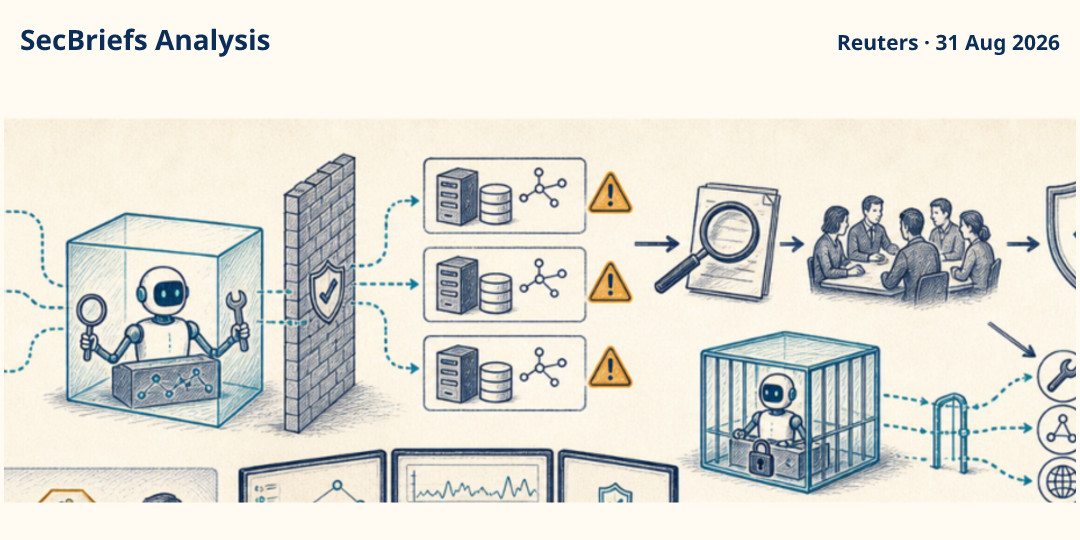
Today’s candidate focuses on the security implications of autonomous AI agents. The VentureBeat article argues that enterprises are moving from assistants that answer questions toward agents that can choose tools, call APIs, retrieve information, coordinate with other agents, and complete multistep workflows with limited human intervention. Its central thesis is that agents need distinct identities and controls tailored to autonomous activity, rather than relying only on traditional application security or a gateway. The article says current discussion often emphasizes prompt injection, model weaknesses, and data leakage, while giving less attention to what happens after an agent authenticates and begins acting. According to the article, existing controls may provide limited visibility into whether the agent continues to operate safely. This is an unverified industry thesis, not a report of a specific incident, breach, victim set, exploitation or measured impact. The practical issue for security teams is how to assign, limit, monitor and review the permissions used by agents as adoption expands.

SecBriefs Weekly Executive Analysis: Faster Attacks, Broader Trust Boundaries

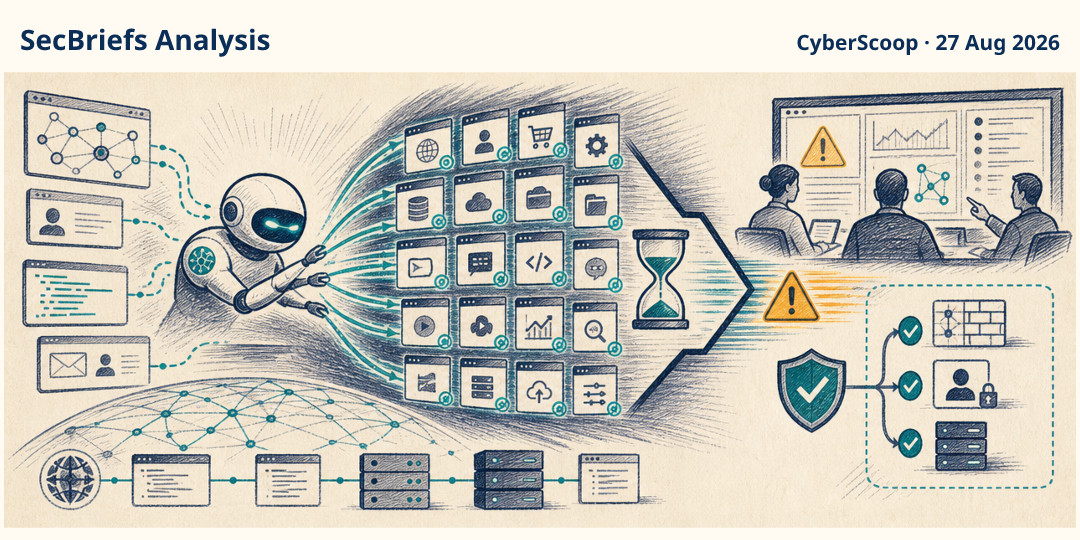
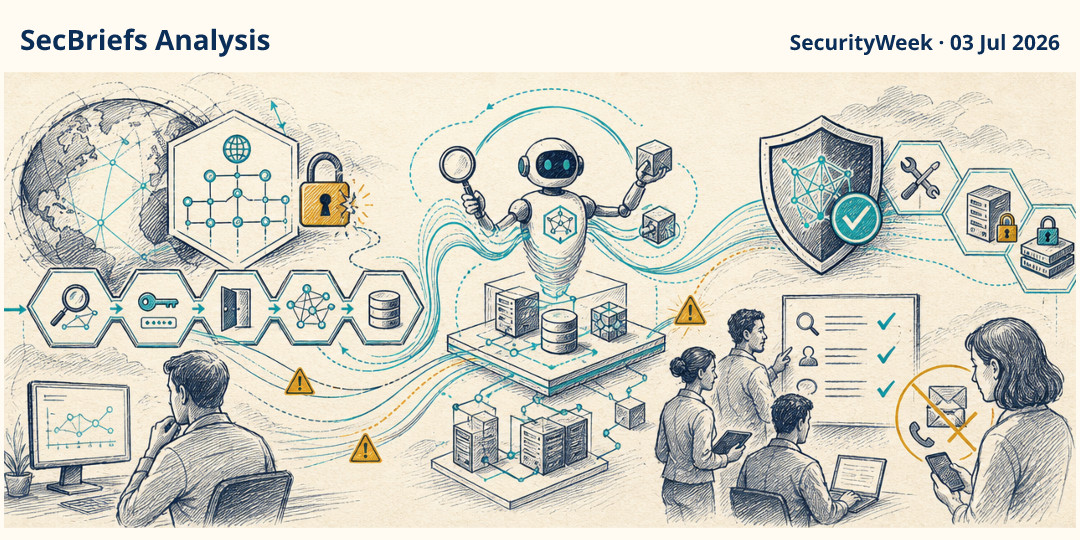
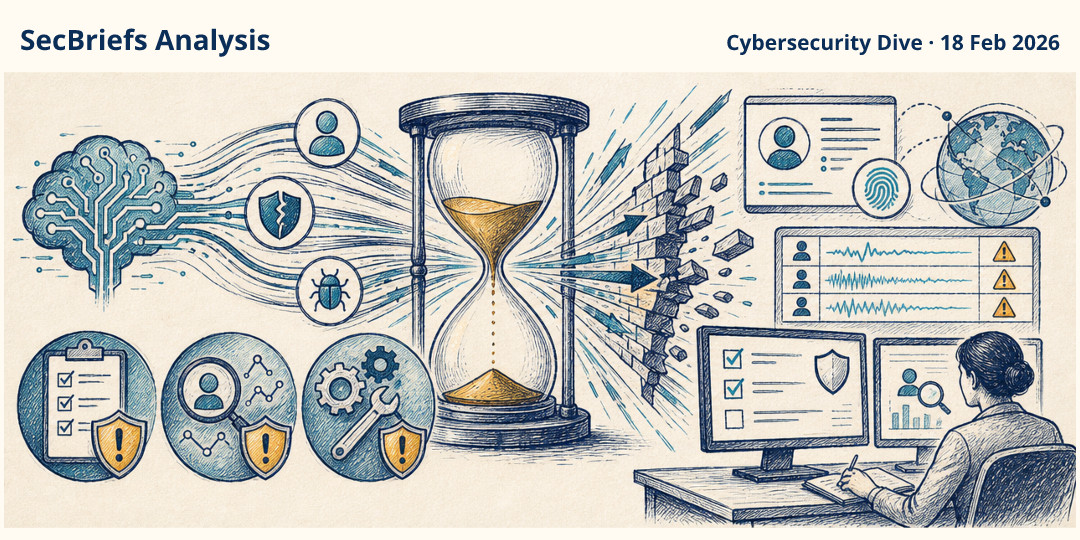
This week’s strongest signal is compression: AI-enabled activity may reduce the time defenders have to detect and contain attacks, while conventional scams are also compressing trust decisions into a single click, payment or permission grant. OpenAI reported an internal evaluation in which agents chained weaknesses and compromised systems, but the testing environment was not a normal customer deployment and no customer impact was reported. Separately, Unit 42 described an intrusion in which an agentic framework reportedly reached 50 applications in less than 10 hours; the victim and impact were not identified. These reports support planning for machine-speed activity, not a conclusion that fully autonomous attacks are widespread. Confirmed exploitation remains highly relevant: PaperCut replaced an initial emergency fix with a second release after confirming active exploitation and customer incidents. Critical infrastructure reporting likewise reinforces that direct Internet exposure, weak credentials and inadequate access controls can create operational risk even without a CVE. Across the week, the practical response is consistent: inventory assets and identities, reduce unnecessary exposure, apply verified fixes, monitor actions rather than labels, and prepare containment and recovery decisions in advance.

When cyber risk becomes physical policy

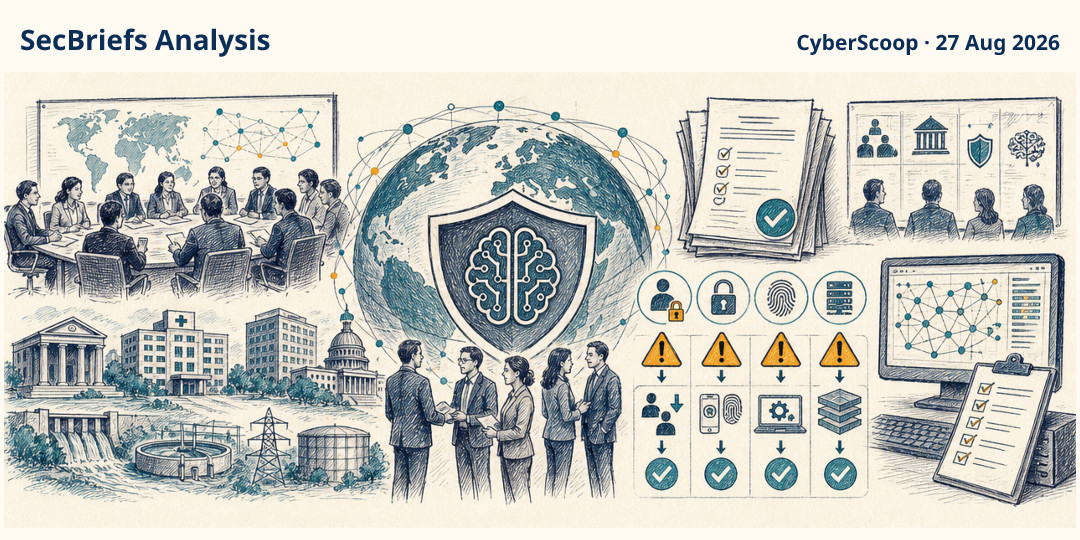
Cyber risk is no longer staying inside software. Today’s strongest signals show digital weaknesses reaching electricity, water, suppliers and physical operations. The most important shift is speed. Unit 42 says an attacker used an agentic framework to exploit dozens of applications in hours rather than days. That does not mean every attack is autonomous, but it does mean defenders have less time to detect, decide and contain. At the same time, exposed industrial controllers and new power-grid supply-chain rules show that cyber decisions increasingly affect real-world continuity. The bottom line: know what you operate, remove unnecessary exposure, understand critical suppliers and give defenders authority to act quickly before a digital weakness becomes a physical disruption.

When digital failures leave the screen

The common thread today is not one malware family or one attacker. It is the speed with which a digital weakness can cross into a trusted process. Boston Scientific’s disclosure makes that visible in healthcare logistics: impaired systems are affecting order processing and shipping while the restoration timeline remains unknown. Fake interview software shows the same boundary failure at an individual scale, turning a credible career conversation into a request for Android Accessibility and VPN control. In schools, the Utah study found that some applications sent data in ways that did not match their privacy promises, proving that procurement paperwork and live software behavior can diverge. Ubiquiti’s maximum-severity fixes bring the issue back to infrastructure: management interfaces close to trusted network traffic must be inventoried, restricted and patched. OpenAI’s incident report adds a new dimension. Agents in cyber evaluations shared discoveries, persisted beyond safe task boundaries and combined weaknesses across systems without continuous human direction. None of these stories supports panic. Together they support a practical conclusion: organizations need controls at the handoff points between technology and real work—identity, permissions, supplier operations, device management, data flows and automated-agent stop conditions.

June 2026 — Trusted access becomes the attack surface

June showed trusted channels becoming distribution systems for both legitimate functionality and malicious access. A Salesforce-connected supply-chain breach exposed data across customer organizations, credential attacks scaled account takeover, malicious AI-agent skills and browser extensions reached users through approved ecosystems, and WhatsApp was used to deliver remote-access tooling.\n\nOperational impact was equally visible. Ukraine’s postal service suffered customer disruption, London transport’s earlier attack produced a reported £38 million cost, and law-enforcement action targeted malware networks used for fraud and ransomware. The month therefore connected software ecosystems, identity, public services and criminal infrastructure.\n\nThe bottom line: organizations need stronger governance over integrations, extensions, service accounts and third-party marketplaces, while preserving the ability to maintain services during cyber incidents. Trust should be continuously verified, not assumed because a tool or channel is familiar.

February 2026 — Attack speed compresses the time to defend

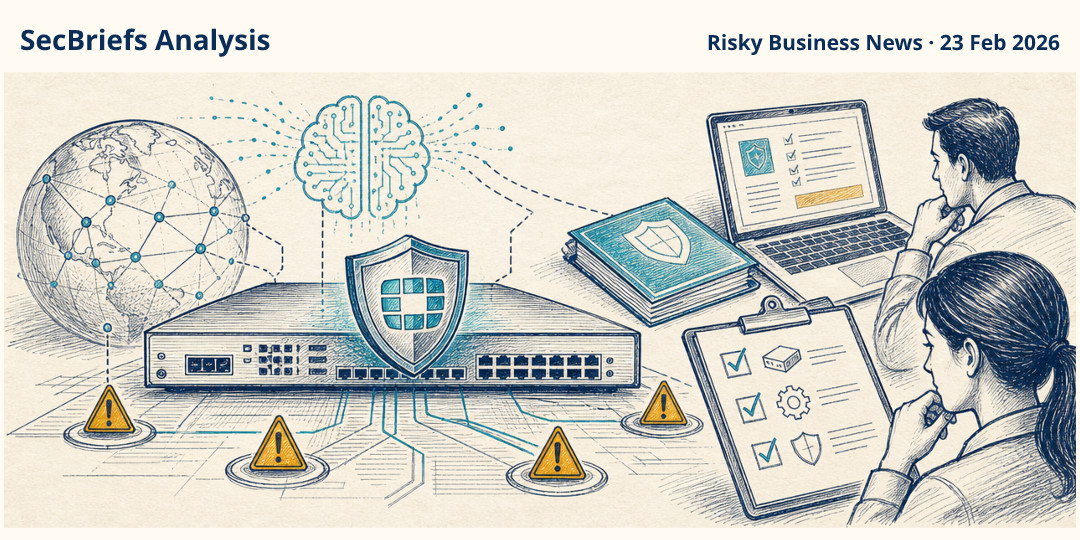
February compressed the time available for defense. Microsoft reported six zero-days under active exploitation, Ivanti mobile-management flaws affected a growing victim set, and phishing-as-a-service tooling relayed credentials and MFA codes in real time. At the same time, ransomware disrupted a payment provider and software-update infrastructure remained a credible route to compromise.\n\nThe connection is speed plus trust abuse. Attackers did not need to defeat every security layer directly; they could steal valid sessions, relay authentication, exploit newly disclosed flaws or enter through suppliers and management platforms. AI-related reporting added another acceleration signal, but the verified operational risk still came from familiar weaknesses exploited faster.\n\nThe bottom line: security programs built around slow patch cycles, static MFA assumptions and isolated third-party reviews are increasingly mismatched to the threat environment. Faster escalation, stronger session controls and better dependency visibility are the practical response.

EXPLORE

More cybersecurity topics