
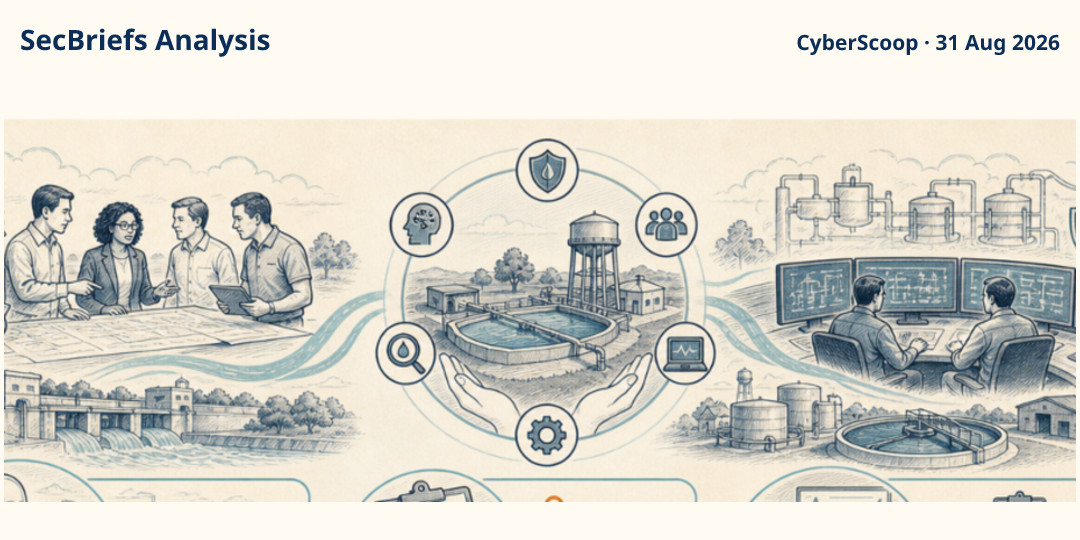
Watershed 250 tests cyber defenses for Texas water systems
A six-month Texas pilot will stress-test and harden water systems, with durability and operational safety as the real measures.
3 min readOpen brief →
Cyber risk becomes a public-service and safety issue when essential systems are affected. Follow verified developments involving utilities, operational technology, government services and resilience of critical operations.
A six-month Texas pilot will stress-test and harden water systems, with durability and operational safety as the real measures.
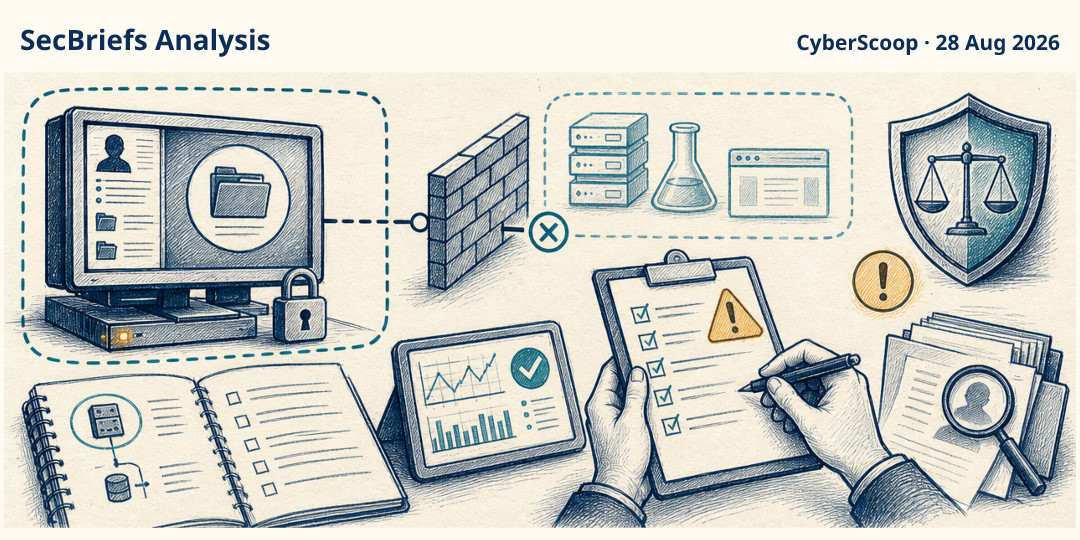
Segmentation limited the operational impact, but the breached standalone system still held sensitive information about targets of active federal investigations.
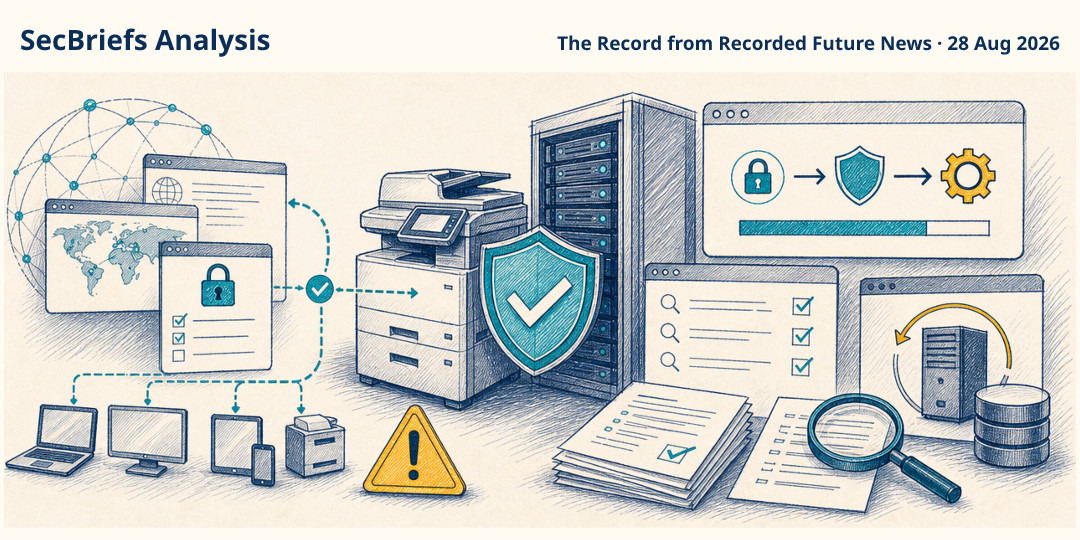
A replacement emergency patch changes the priority from routine updating to immediate exposure review, threat hunting and a possible clean rebuild.
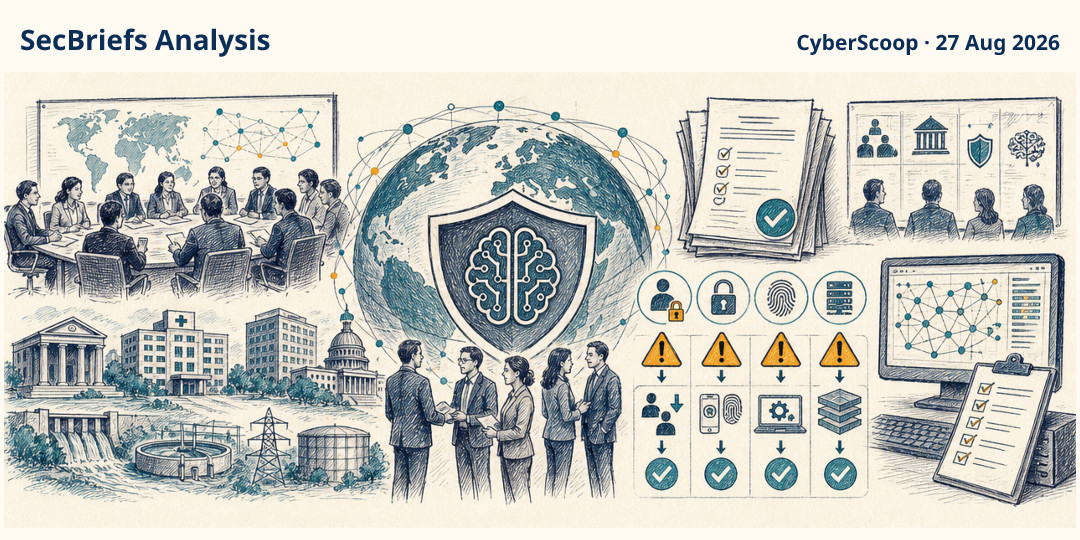
A coalition spanning AI, banking and critical infrastructure says familiar weaknesses must be fixed before machine-speed attacks become more common.
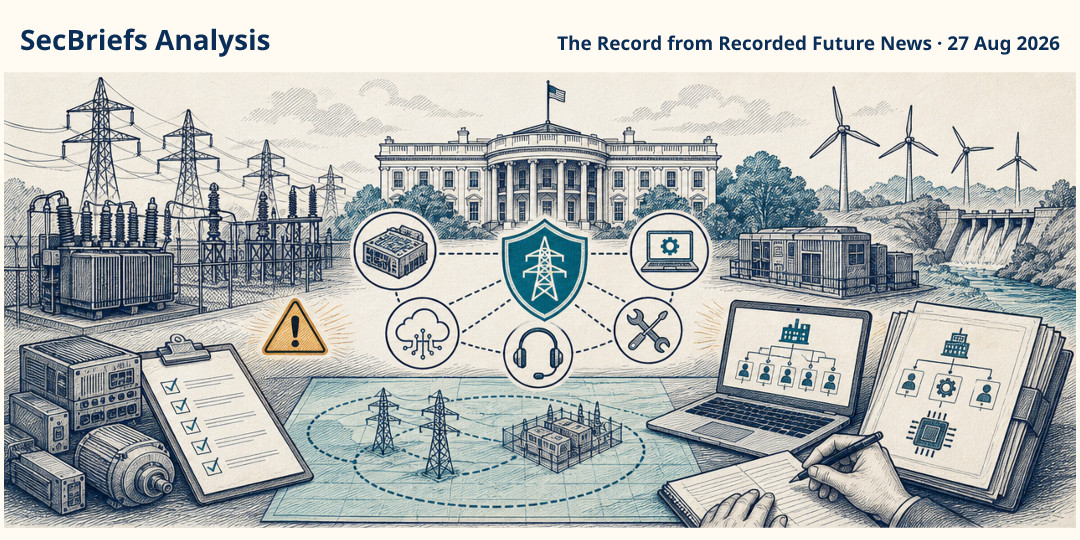
A U.S. executive order turns foreign power-grid technology risk into an immediate inventory, procurement and operational-resilience issue for operators.
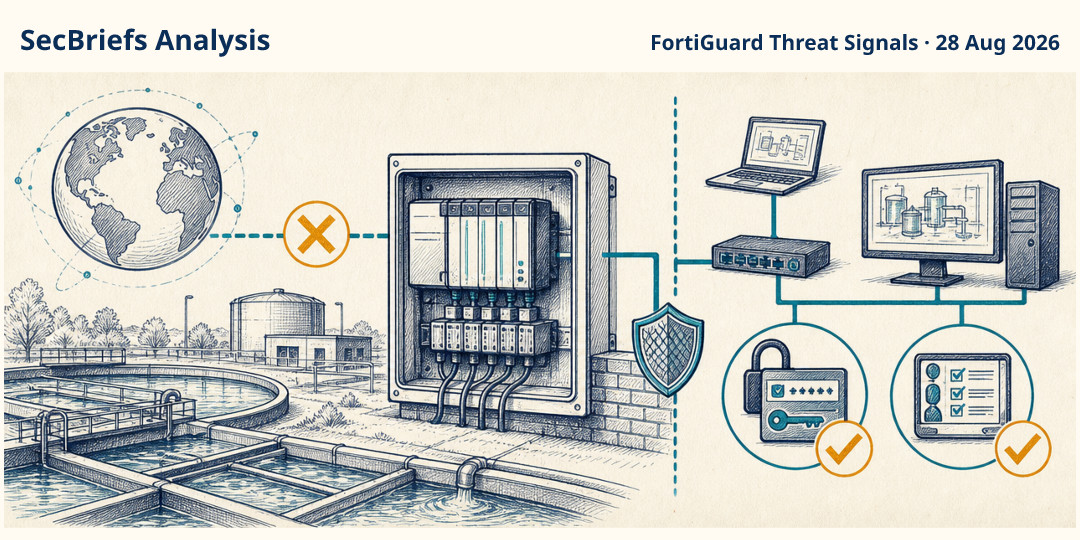
Reported compromises of Internet-facing MicroLogix PLCs show how weak access controls can affect operational technology without a specific CVE.
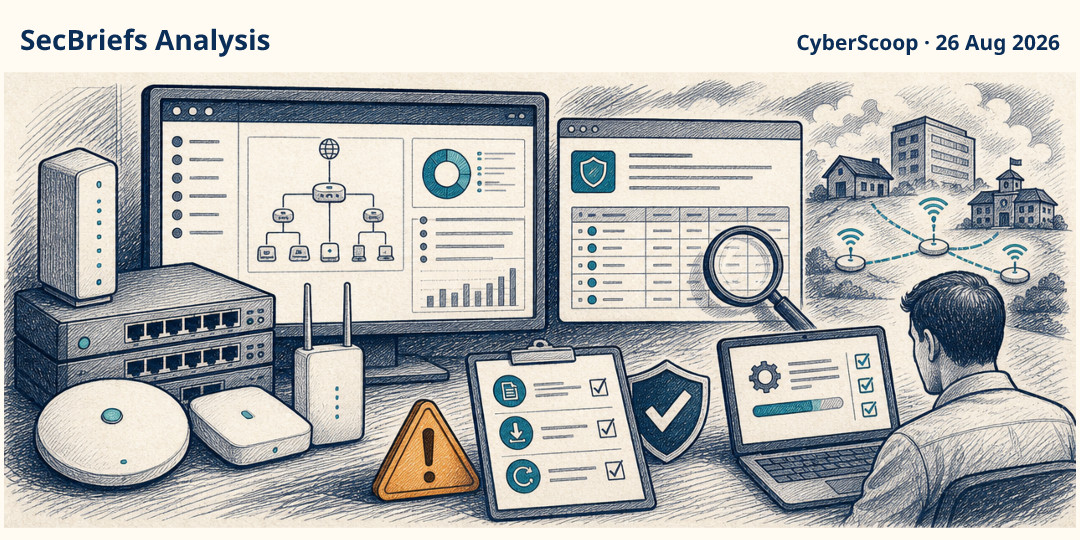
Three maximum-severity flaws make forgotten network-management interfaces and unverified firmware versions the first places administrators should inspect today.
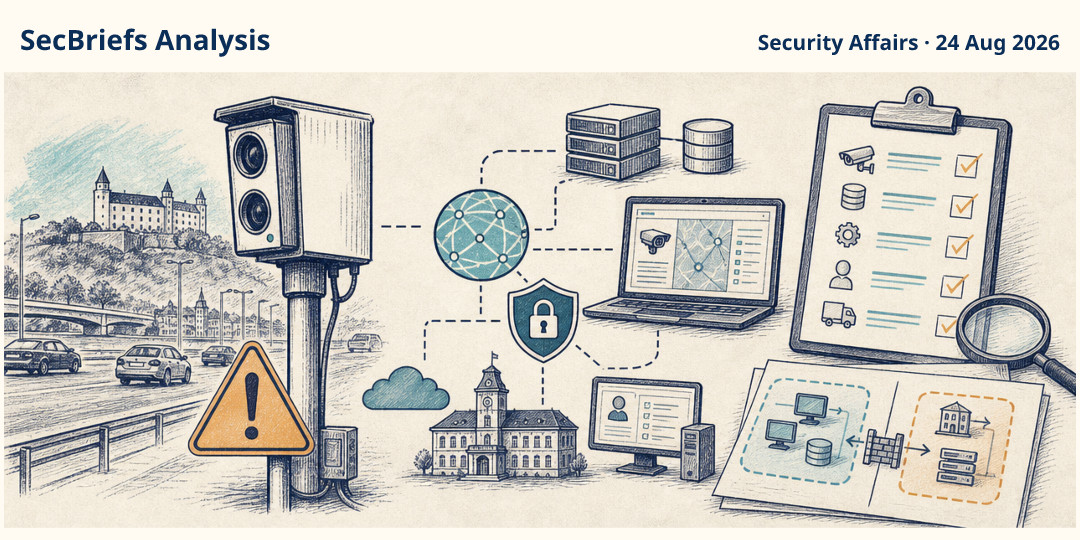
A reported Slovak warning highlights possible exposure around connected speed cameras, while technical details remain unverified and should prompt architecture checks rather than alarm.

A reported four-day loss of power-plant availability is not confirmed, but it offers a useful test of safe fallback operations, dependencies and crisis communications.
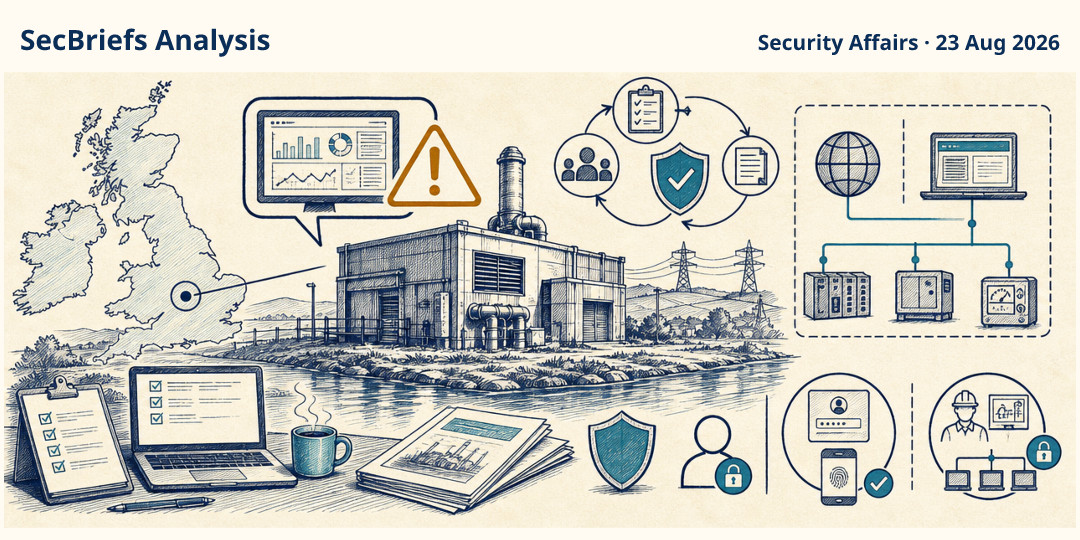
A confirmed cyber disruption at a small UK generator lasted four days; public attribution to Iran remains unverified.
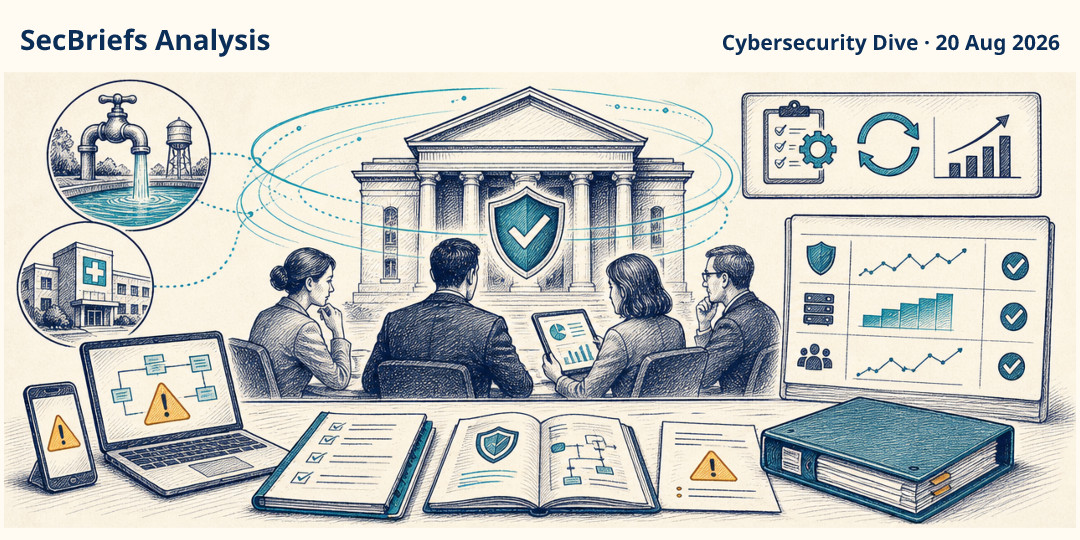
Fitch highlighted how water and healthcare organizations can preserve credit quality after cyber incidents when they demonstrate strong liquidity, continuity planning and recovery capability. The analysis connects cybersecurity…
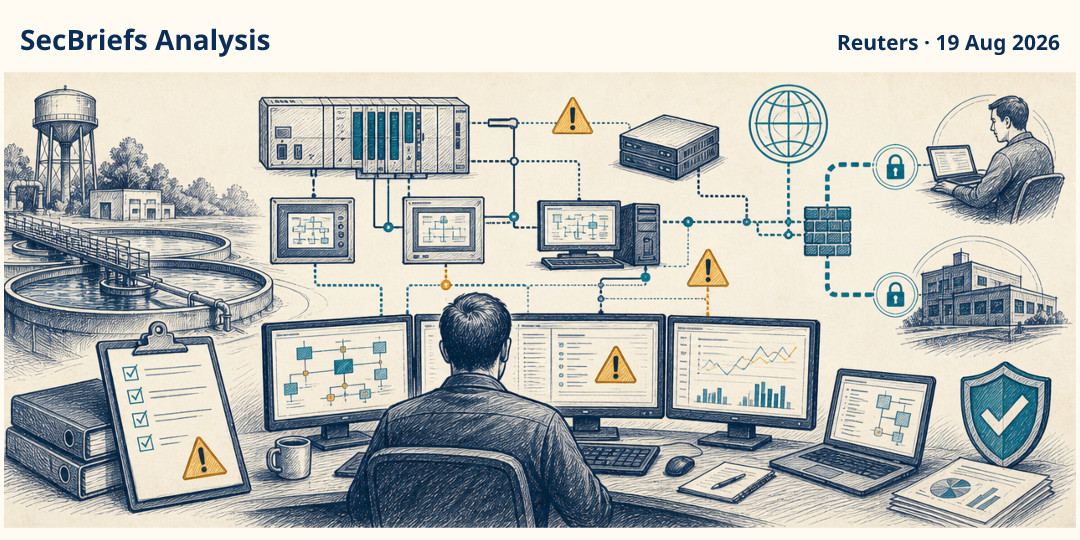
US agencies are warning that Siemens industrial controllers used in water and other critical infrastructure are being actively targeted, raising the risk of real-world service disruption.
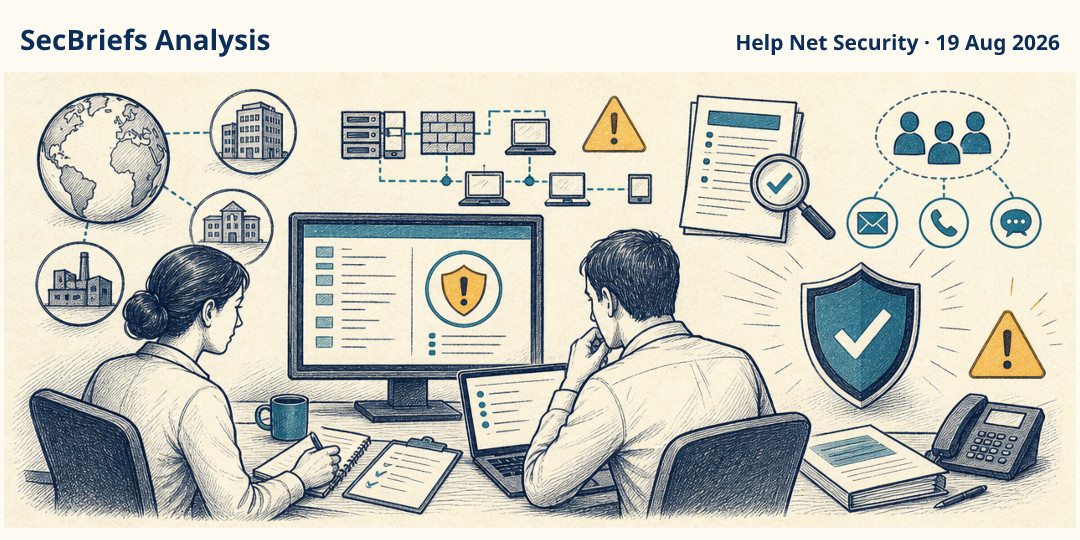
CISA, the FBI and HHS updated guidance on Medusa ransomware, saying the operation has impacted more than 500 victims across multiple sectors. The advisory reflects the persistence of…
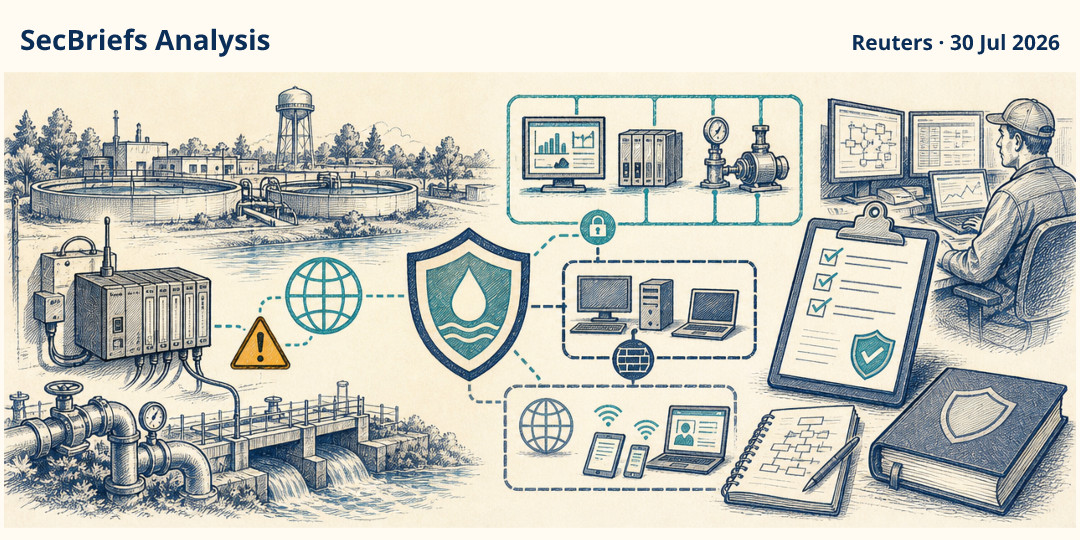
Federal agencies warned of a surge in attacks on water and wastewater systems after coordinated incidents disrupted utilities in several US states.

Angola’s largest telecommunications operator, Unitel, reported a cyberattack that disrupted voice calls, mobile data and internet access for millions of customers. The incident began shortly after 2 a.m.,…

Romania’s national land-registry agency suffered a cyberattack that disabled the digital systems required for property transactions. The e-Terra platform, official email and applications used by notaries, lawyers and…
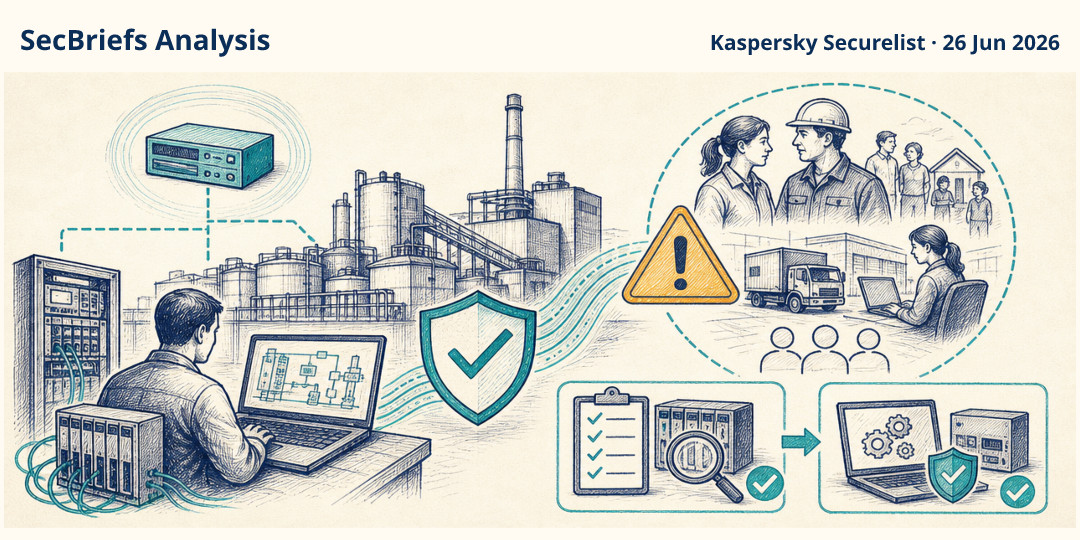
Kaspersky analyzed a vulnerability in Schneider Electric software whose license-management component could create a route into industrial environments if left exposed. Kaspersky Securelist published the underlying report or notice on 2026-06-26, placing the event

Ukraine’s state postal operator reported that a cyberattack disrupted parts of its mobile application and affected access to customer services. The Record published the underlying report or notice on 2026-06-25, placing the event within

Two members of the Scattered Spider cybercrime group were convicted over the Transport for London attack, which caused prolonged disruption and approximately £38 million in costs. CSO Online published the underlying report or notice
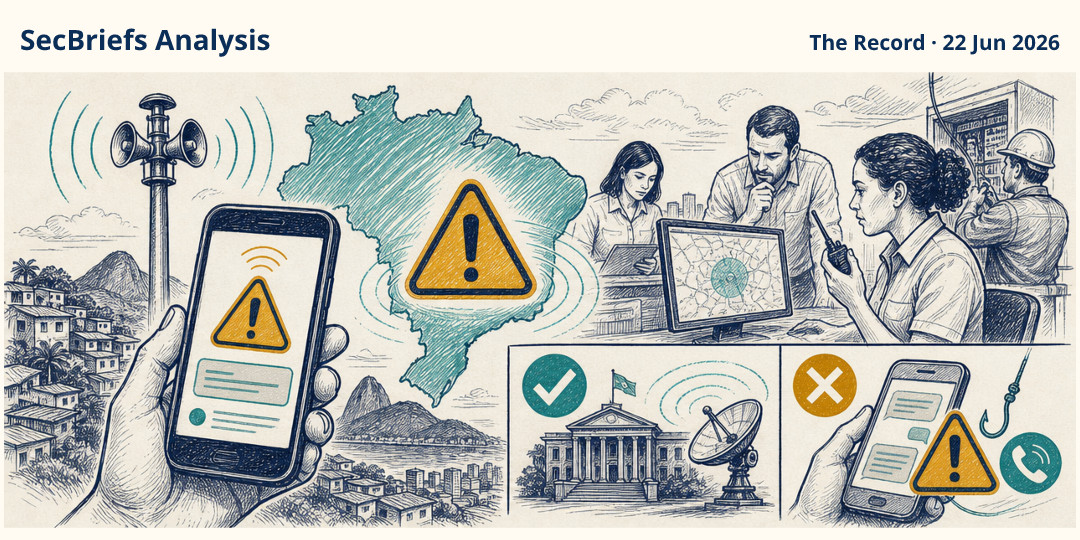
Unauthorized emergency notifications were sent to residents in parts of Brazil through a system designed for urgent public-safety warnings. The Record published the underlying report or notice on 2026-06-22, placing the event within the
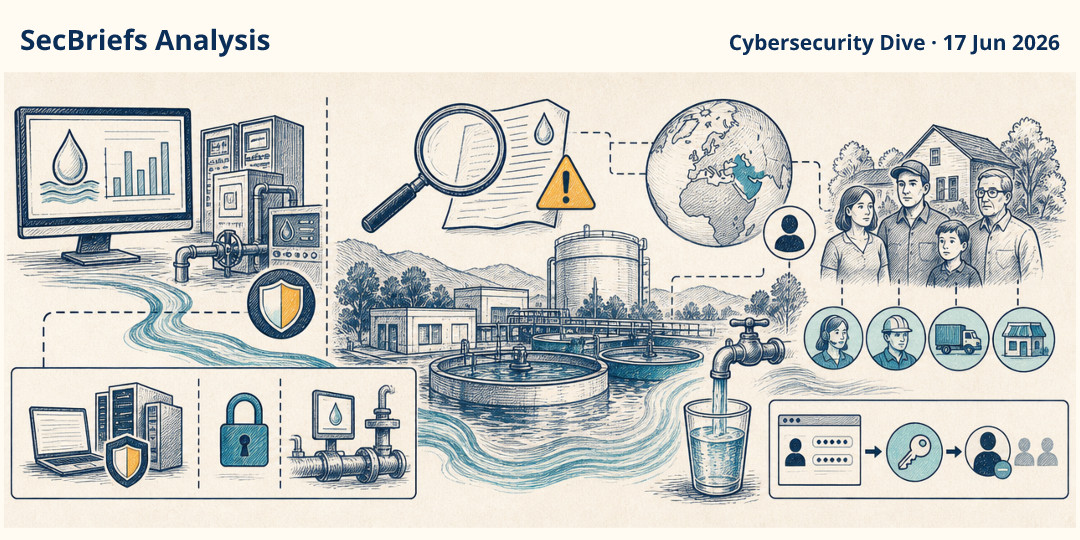
A California water utility investigated a cyberattack claim made by an actor described as Iran-linked, drawing attention to risks facing small public-service providers. Cybersecurity Dive published the underlying report or notice on 2026-06-17, placing
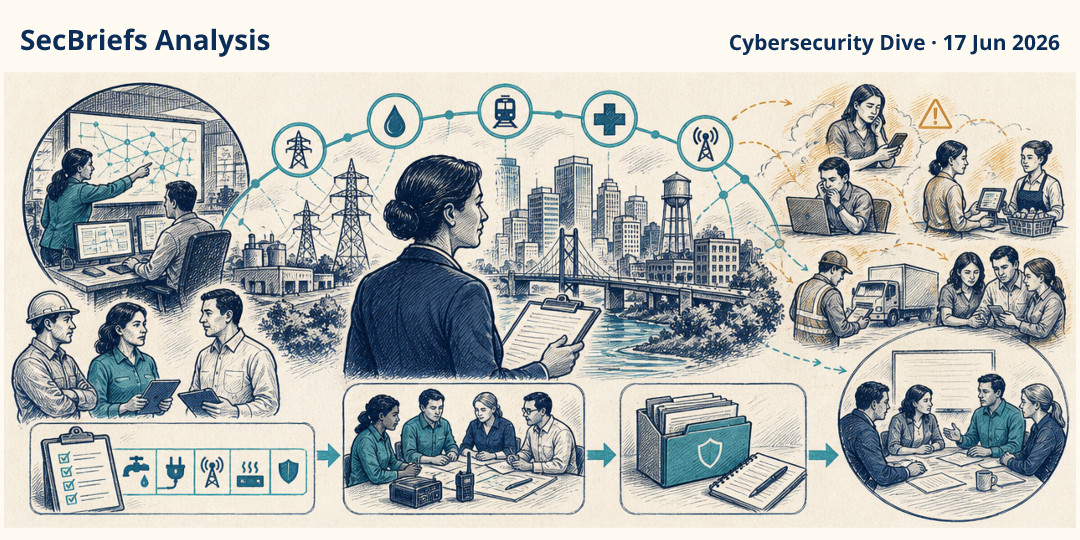
CISA’s acting leadership warned that major disruptions affecting critical infrastructure should be treated as foreseeable events requiring practical resilience planning. Cybersecurity Dive published the underlying report or notice on 2026-06-17, placing the event within
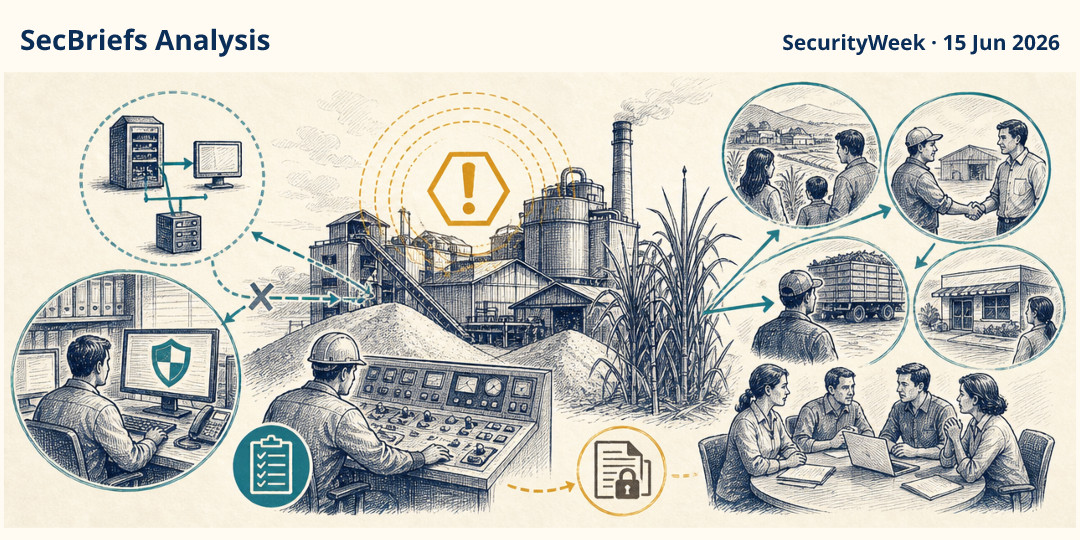
A ransomware incident forced Mackay Sugar to suspend mill operations, creating a visible operational impact during the production season. SecurityWeek published the underlying report or notice on 2026-06-15,…
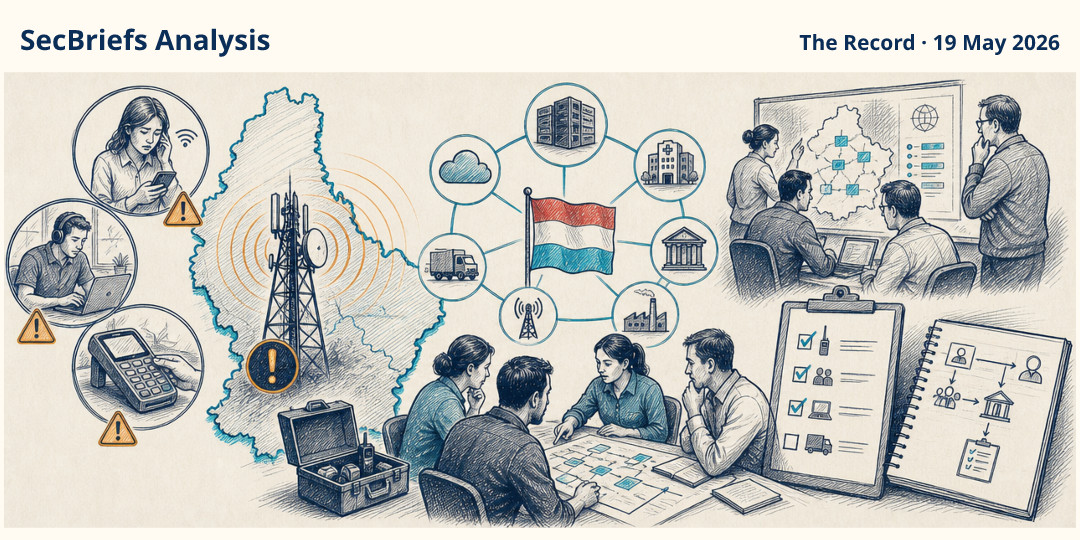
The event shows how cyber incidents can interrupt real services, production and recovery work beyond the IT department.
Cyber risk is no longer staying inside software. Today’s strongest signals show digital weaknesses reaching electricity, water, suppliers and physical operations. The most important shift is speed. Unit 42 says an attacker used an agentic framework to exploit dozens of applications in hours rather than days. That does not mean every attack is autonomous, but it does mean defenders have less time to detect, decide and contain. At the same time, exposed industrial controllers and new power-grid supply-chain rules show that cyber decisions increasingly affect real-world continuity. The bottom line: know what you operate, remove unnecessary exposure, understand critical suppliers and give defenders authority to act quickly before a digital weakness becomes a physical disruption.
The strongest signal today is that cyber risk is increasingly crossing boundaries: attacks against industrial controllers can create physical disruption, exploited Windows flaws are being incorporated into ransomware operations, and large data exposures continue to feed downstream fraud. For security leaders, the common thread is not a single malware family or CVE but the speed with which weak exposure, privileged access and stolen identity data are converted into operational impact. The practical priority is to shorten the distance between external warning, asset identification and verified remediation.