
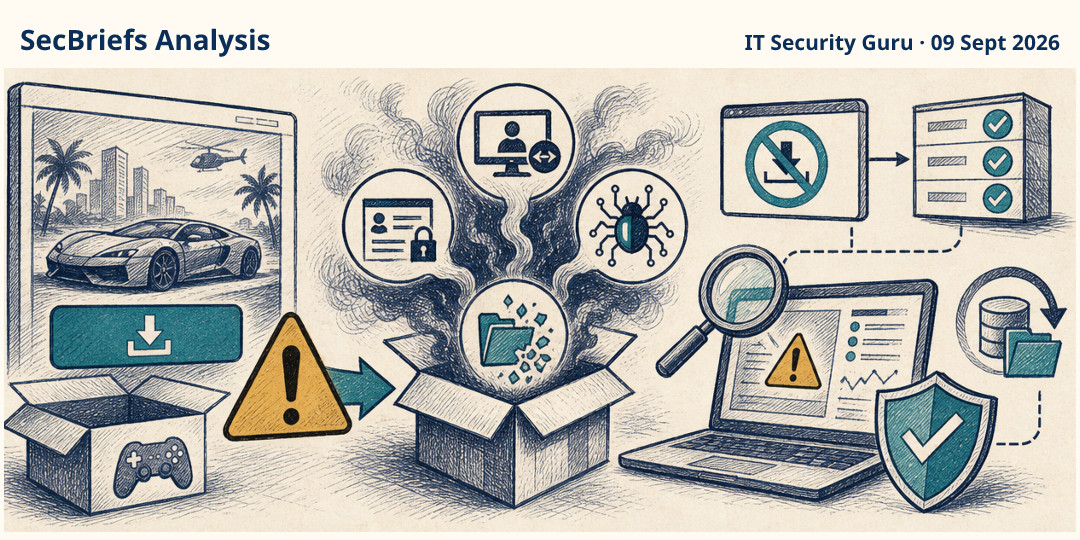
Fake GTA6 downloads bundle remote access, theft, and destructive malware
A fake GTA6 leak is reported to deliver remote-access, information-stealing, and destructive malware through supposedly early game downloads.
3 min readOpen brief →
Malware is most useful to defenders when connected to behavior, access and impact. Track verified campaigns, delivery methods and post-compromise activity with practical context for detection and response.
A fake GTA6 leak is reported to deliver remote-access, information-stealing, and destructive malware through supposedly early game downloads.
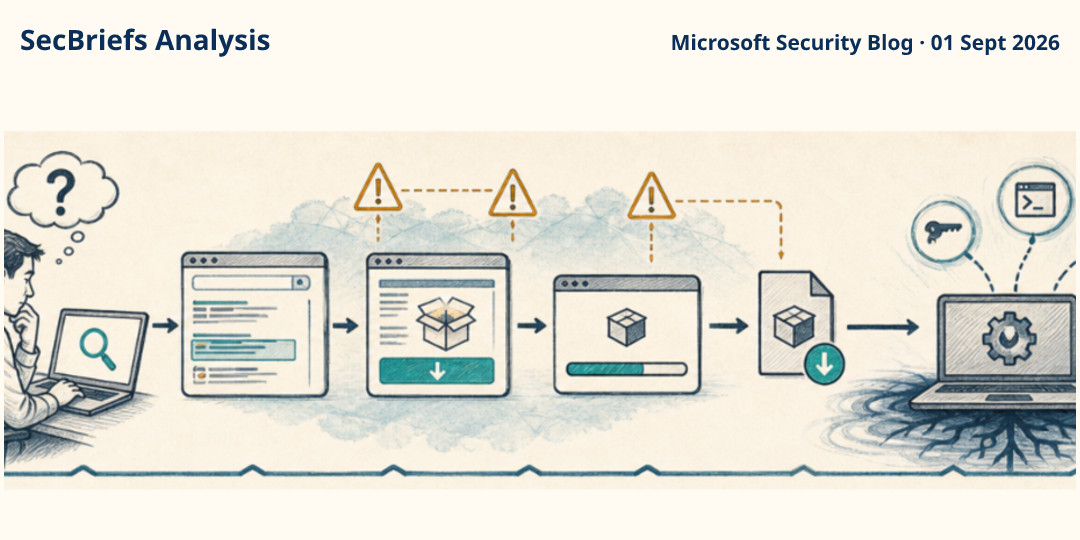
The download page may be the first security control to fail. This brief shows how software provenance, endpoint policy, and user behavior fit together in stopping counterfeit installers.
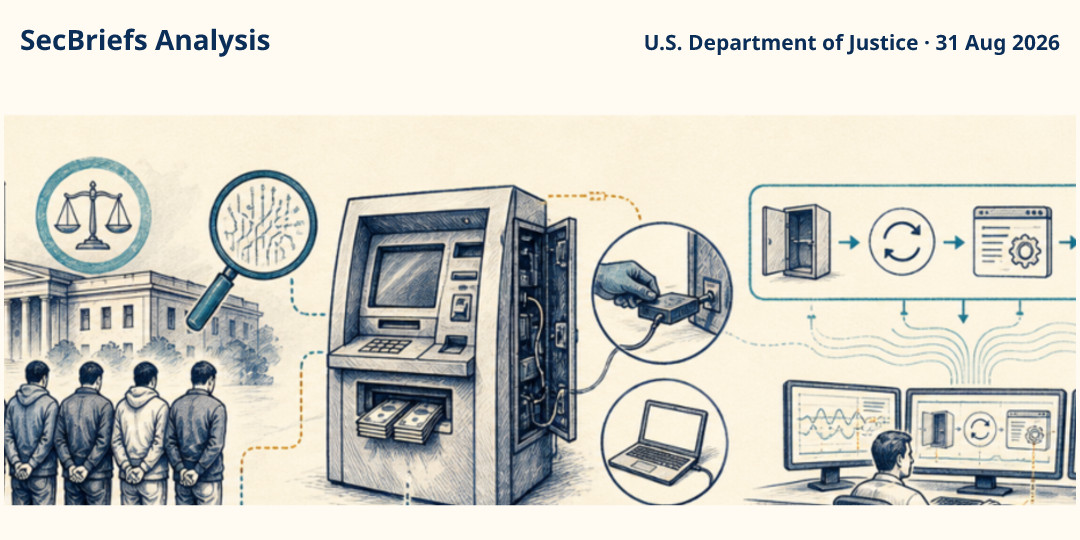
Federal guilty pleas show how ATM malware can turn a familiar cash machine into a physically accessed fraud endpoint.
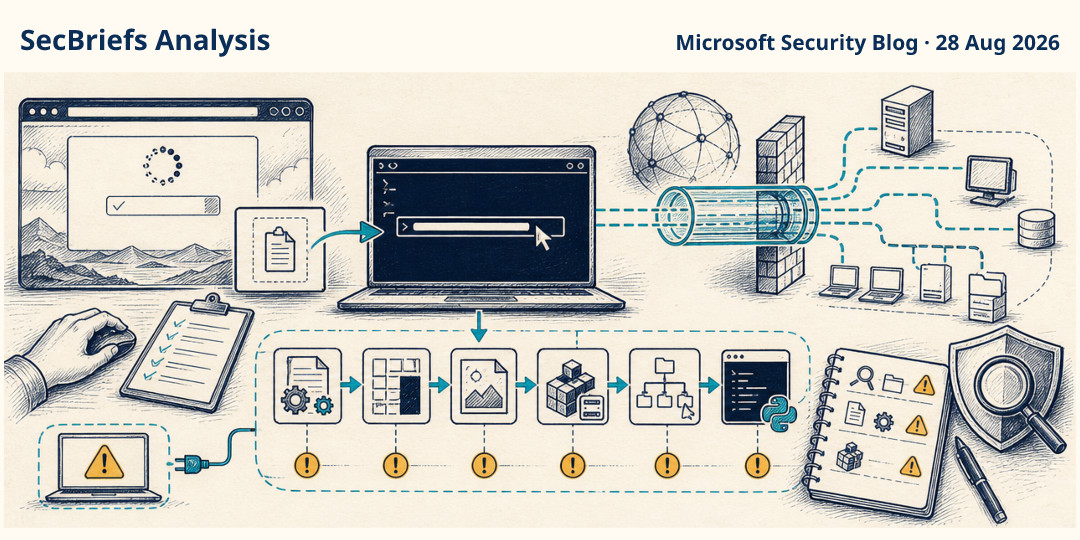
A fake CAPTCHA can become a network foothold when it persuades someone to paste a command into PowerShell.
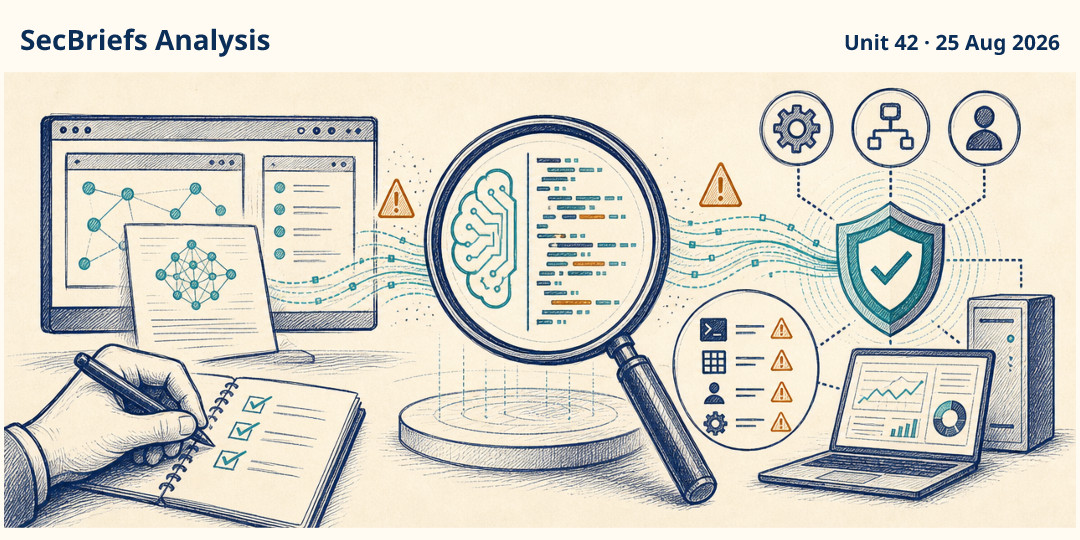
Verified research explores AI-enabled malware and argues that behavioral and endpoint defenses remain central to stopping AI-authored code.
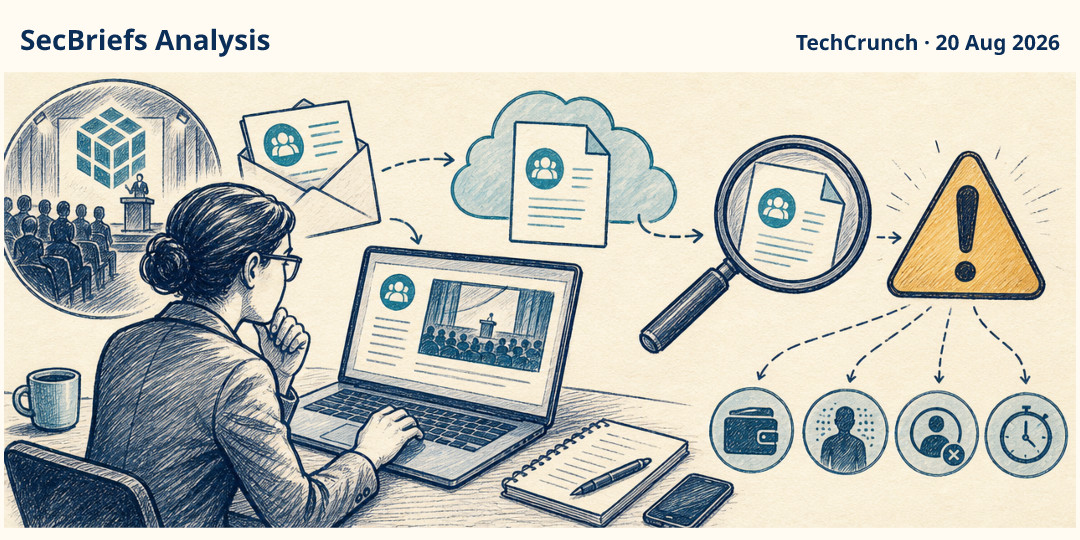
A threat actor posing as a cryptocurrency-media representative targeted cybersecurity professionals with invitations and documents tied to a fake conference. The campaign used trusted collaboration tools such as…

Microsoft analyzed a Chromium browser extension using AI-related branding that altered search behavior and redirected users through unwanted services. Microsoft Security Blog published the underlying report or notice on 2026-06-29, placing the event within

Europol and international partners announced coordinated action against SocGholish, Amadey and StealC infrastructure used to steal information and enable further cybercrime. Europol published the underlying report or notice on 2026-06-24, placing the event within
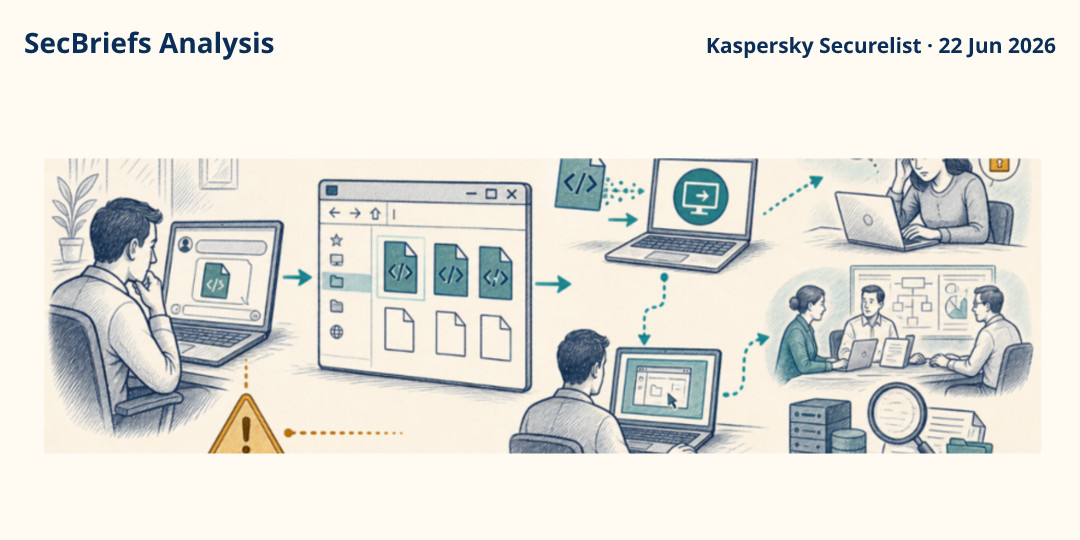
Kaspersky documented a campaign distributing malicious script files through WhatsApp that installed legitimate remote-monitoring software for unauthorized access. Kaspersky Securelist published the underlying report or notice on 2026-06-22, placing the event within the month’s

An investigation by KrebsOnSecurity linked the Popa residential-proxy botnet to infrastructure and business relationships involving a publicly traded Israeli company. KrebsOnSecurity published the underlying report or notice on 2026-06-18, placing the event within the
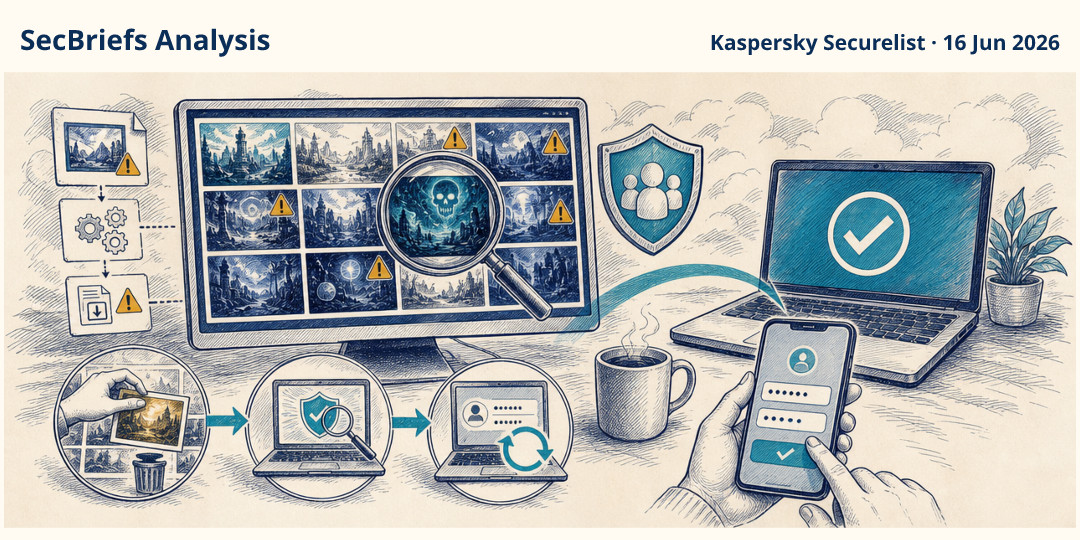
Kaspersky found dozens of malicious wallpaper items distributed through Steam Workshop that could expose gamers to malware and account theft. Kaspersky Securelist published the underlying report or notice on 2026-06-16, placing the event within

On May 21, 2026, KrebsOnSecurity reported that kimwolf botnet administrator arrested after hijacking home devices. The account describes a concrete security, privacy or fraud consequence rather than a…
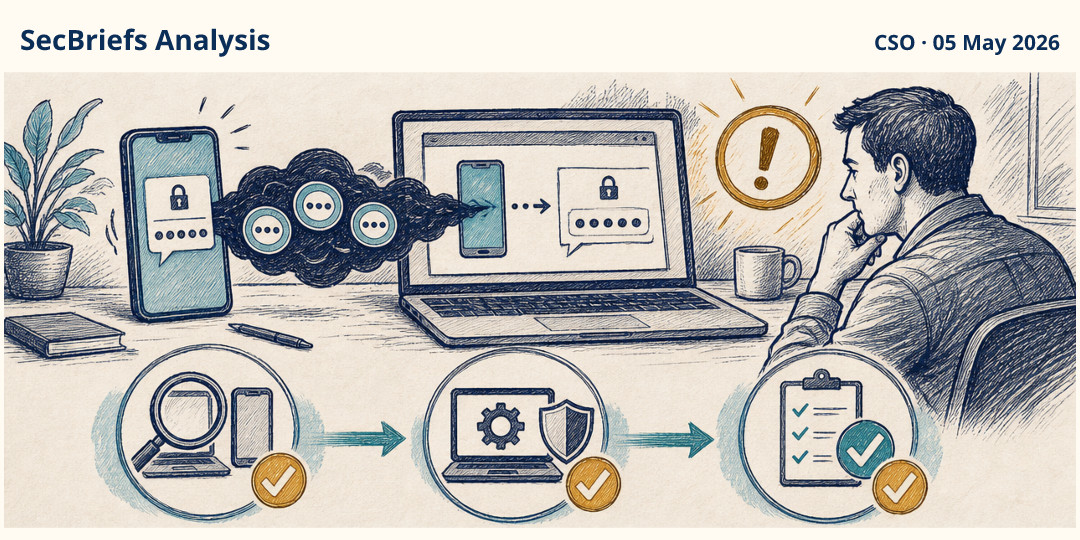
On May 5, 2026, CSO Online reported that phone link malware steals one-time passcodes from windows pcs. The account describes a concrete security, privacy or fraud consequence rather…
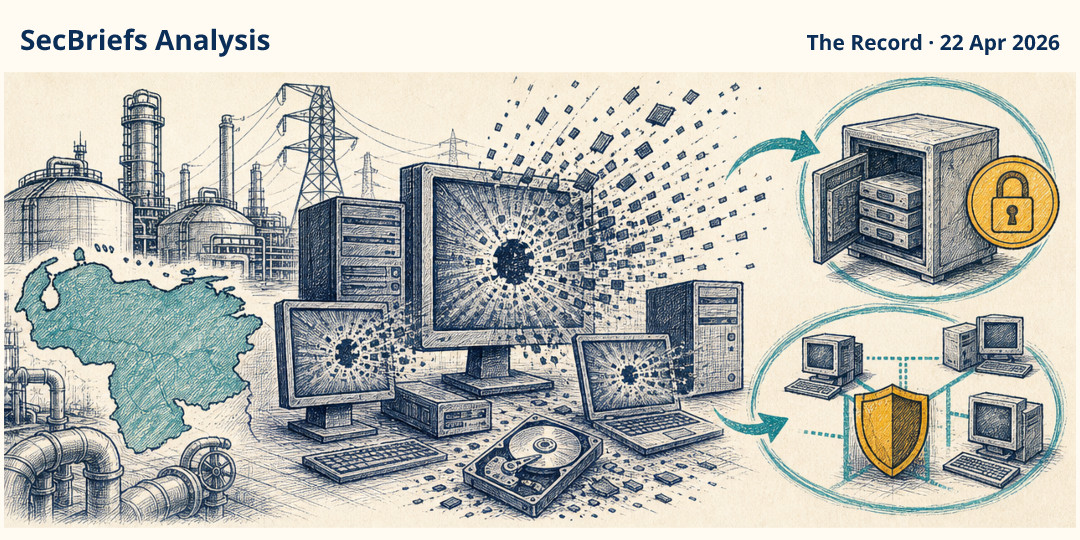
A targeted wiper campaign against Venezuela’s energy sector highlights how cyber incidents can shift from access to irreversible destruction.
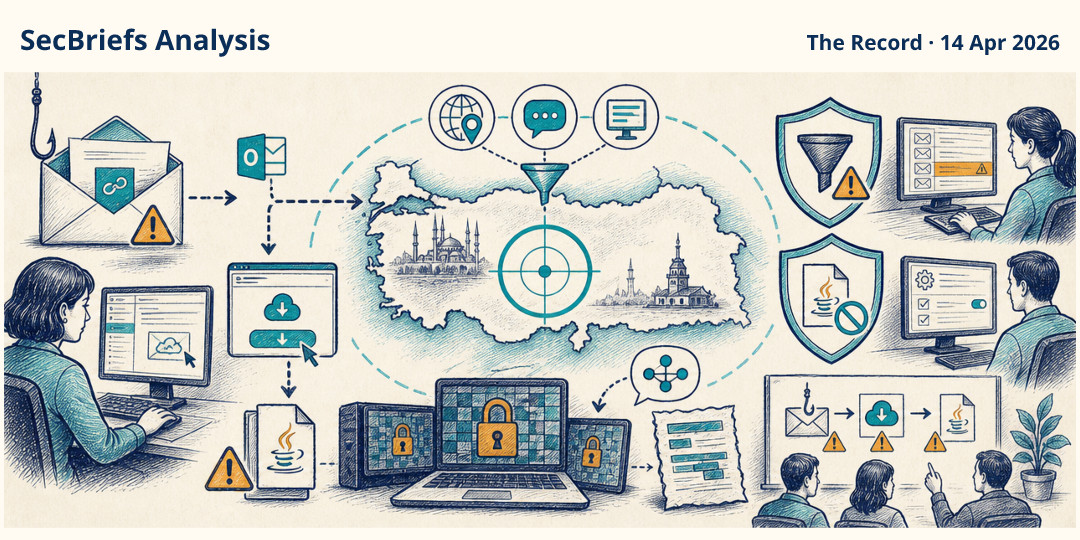
JanaWare uses Turkish-language targeting, location checks and phishing delivery to focus ransomware activity on users and smaller businesses in Turkey.
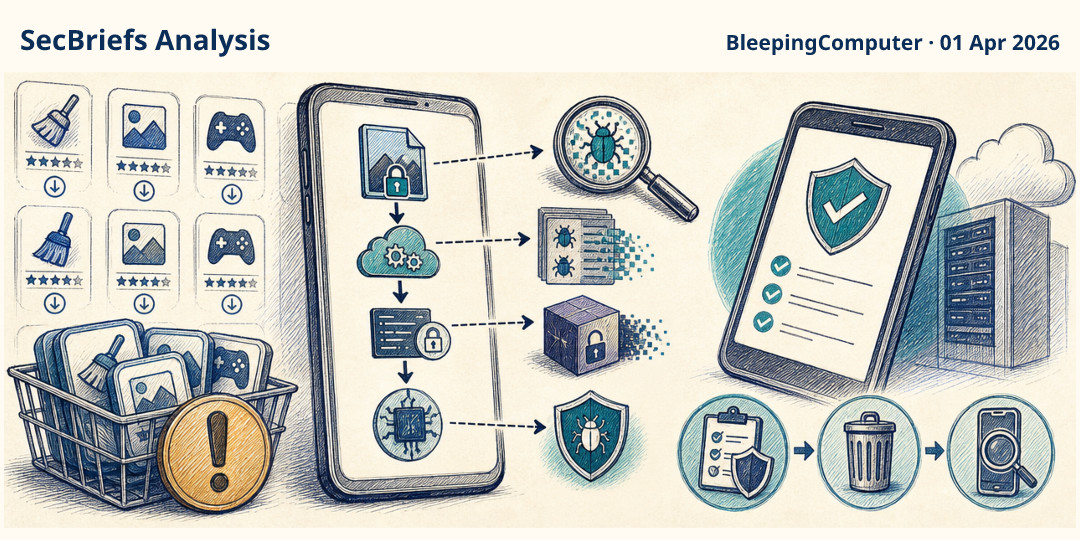
Malware hidden inside ordinary-looking Google Play apps turned old Android flaws into a large-scale device and messaging risk.
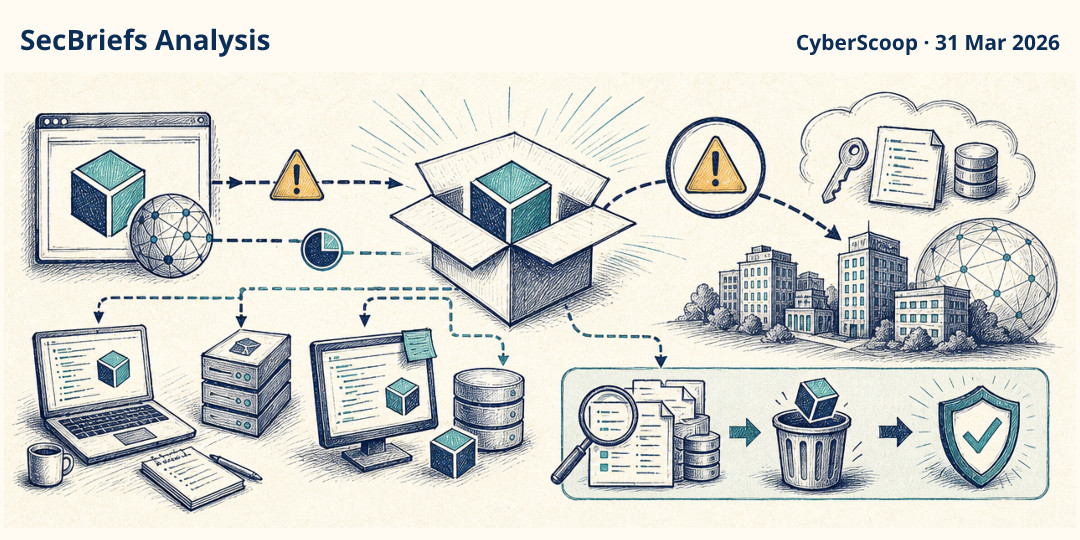
Malicious Axios releases briefly exposed developer systems to credential theft, showing how a trusted dependency can spread risk through automated builds.

International authorities disrupted botnets built from millions of connected devices, but vulnerable routers and cameras can still be recruited again.

Risky Business News reports that an IcedID malware developer allegedly faked his own death to evade the FBI, with few details supplied about the case.

A reported phishing chain combines a patched Office flaw, malicious Excel add-in, and fileless XWorm delivery to complicate detection.
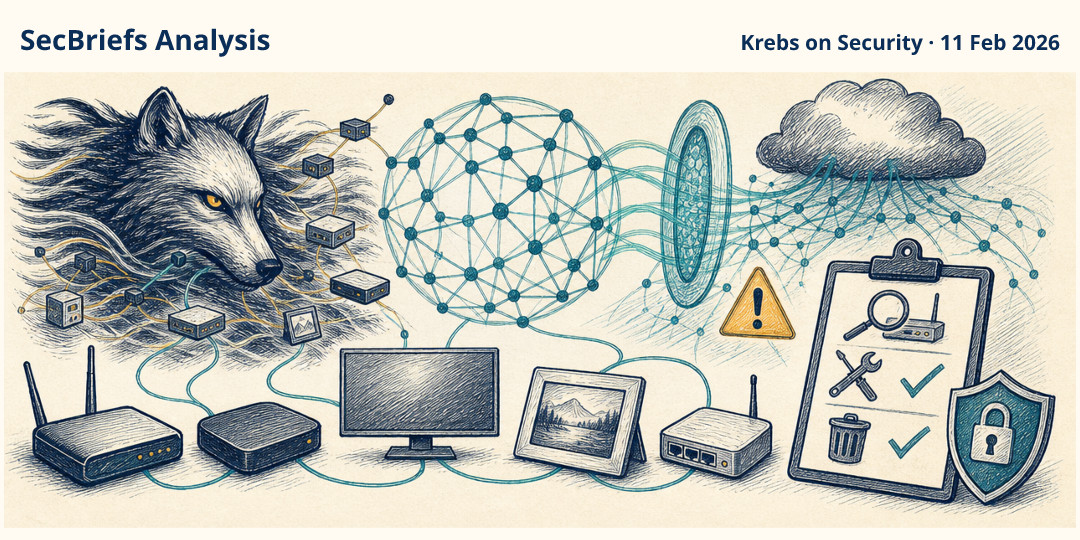
Krebs on Security reports that the Kimwolf IoT botnet is disrupting I2P while allegedly using the network to evade takedown efforts.
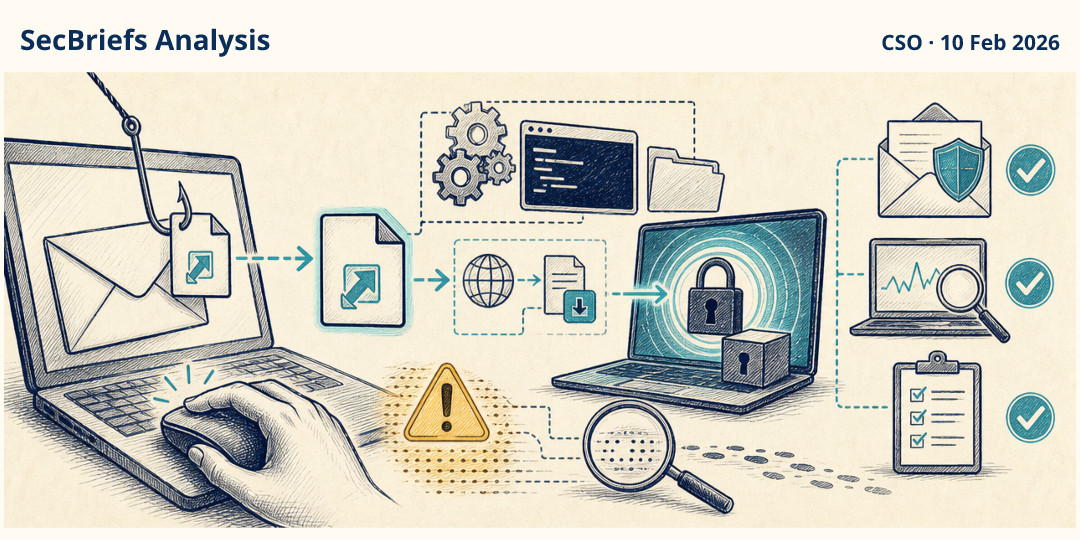
Researchers report a Phorpiex-linked phishing campaign using malicious LNK files to deliver Global Group ransomware through local execution.
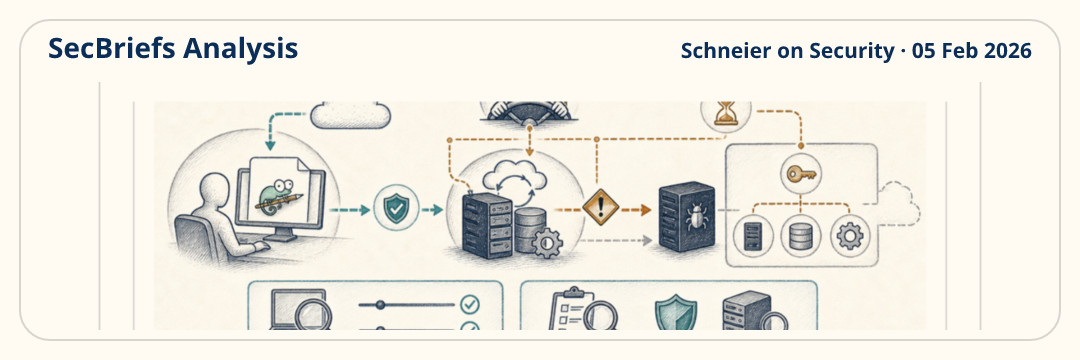
A reported Notepad++ supply-chain incident redirected selected updates to malicious servers, highlighting older update-verification weaknesses and lingering provider credentials.

A reported screenshot may link Kimwolf’s operators to Badbox 2.0, an Android TV botnet under investigation by the FBI and Google.