Prepare for identity abuse after a large identity-document exposure
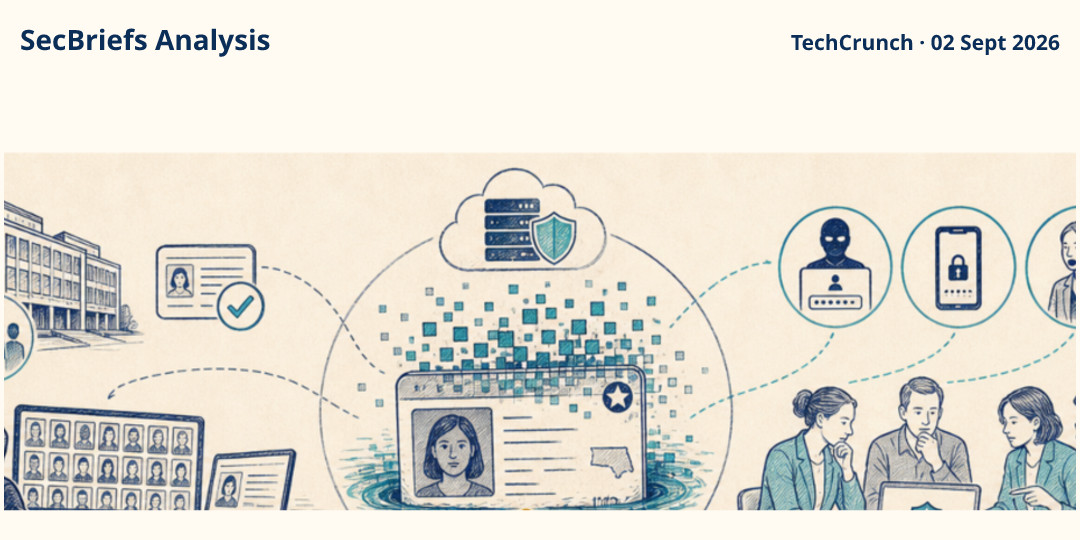
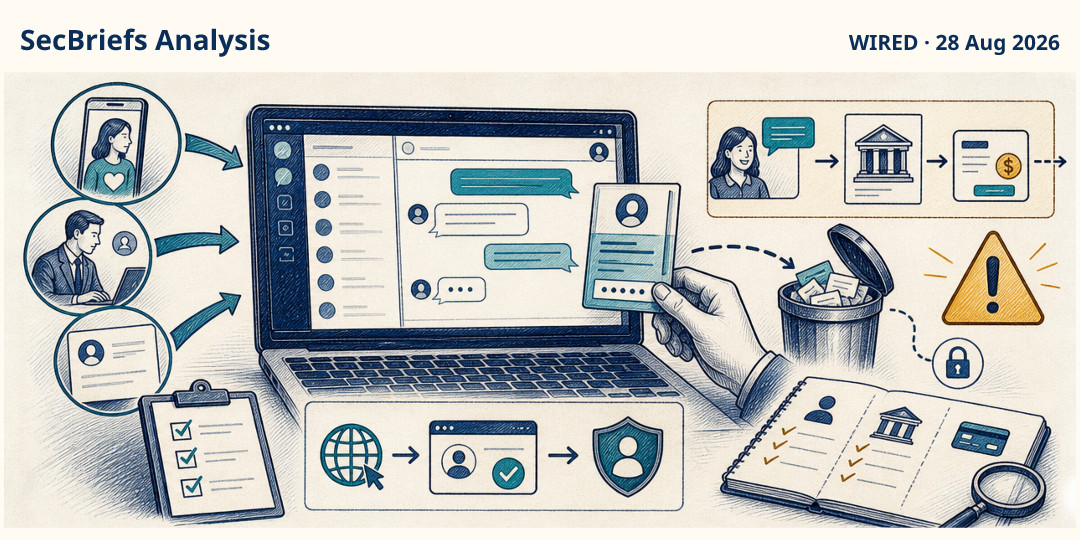
A reported identity-document breach could strengthen impersonation attempts; organizations should stop treating a document image as complete proof of identity.
Identity has become a primary security boundary. Follow verified developments involving authentication, account takeover, impersonation, identity data and access controls—and what they change for defenders and fraud teams.

A reported identity-document breach could strengthen impersonation attempts; organizations should stop treating a document image as complete proof of identity.

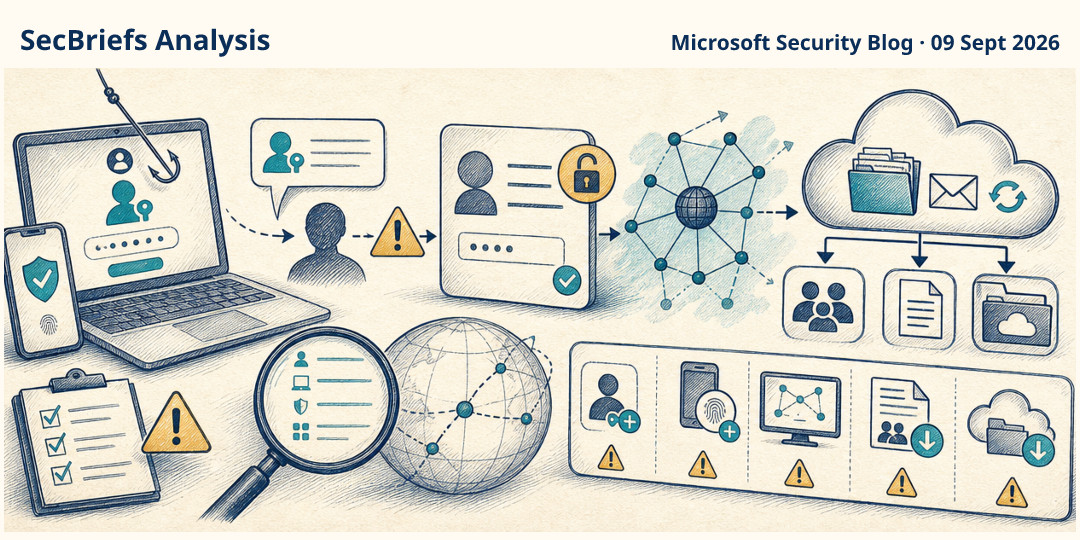
Passkey-themed social engineering is being used to compromise identities, maintain access, and reach Microsoft cloud data through familiar authentication and collaboration services.

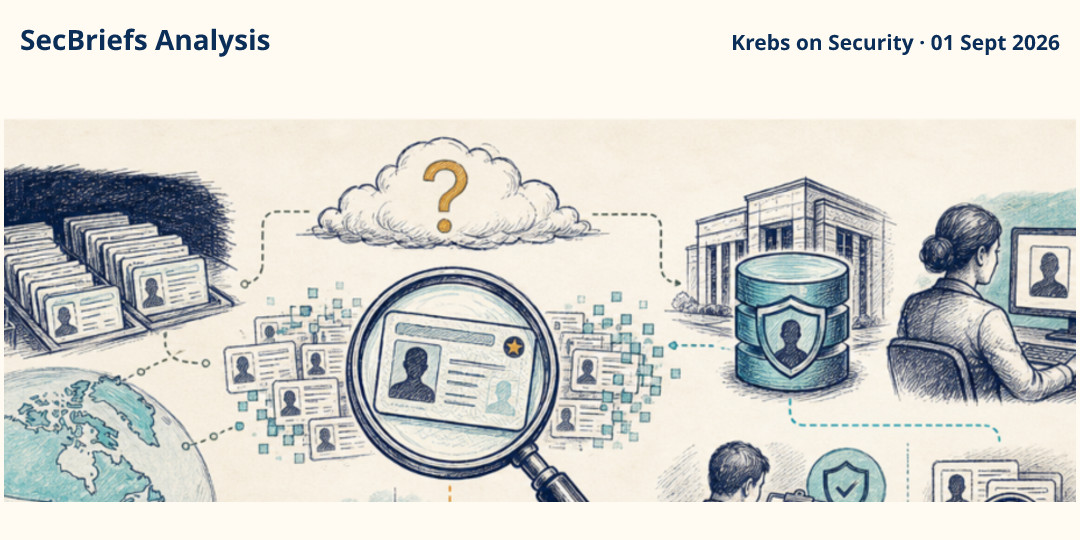
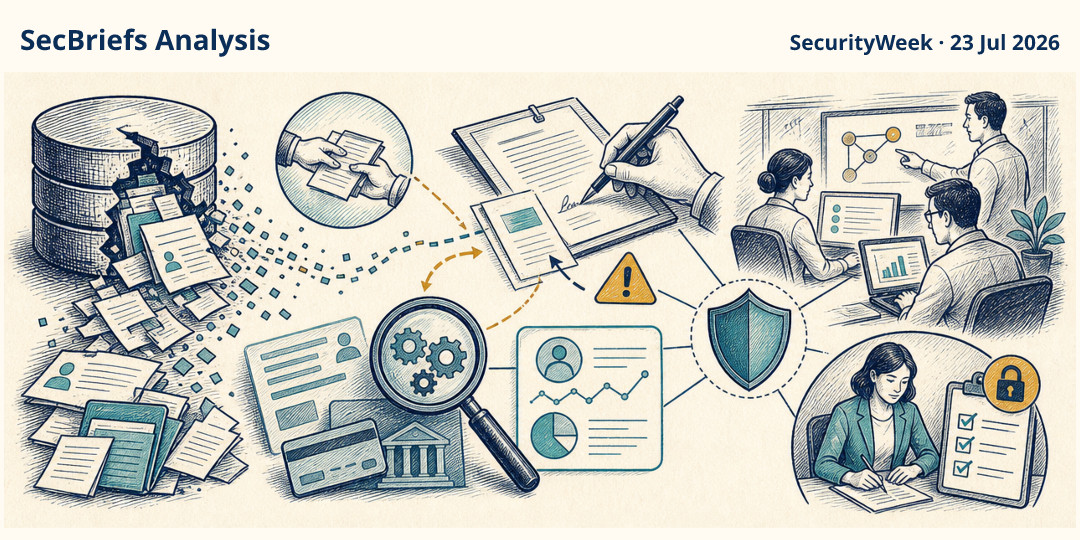
A reported identity-service compromise could put document-based trust under pressure, even though the theft claim and alleged scale still require independent confirmation.

A document image can remain useful to an impersonator long after a password is changed. This brief turns an unconfirmed marketplace report into a focused identity-risk review.

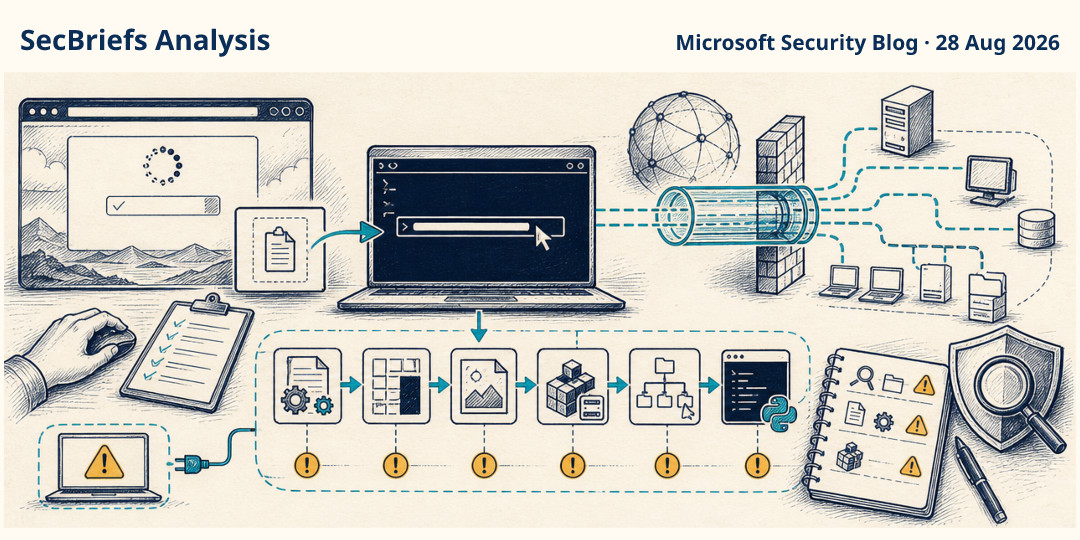
A fake CAPTCHA can become a network foothold when it persuades someone to paste a command into PowerShell.

A trusted workplace interface can make a scammer look legitimate even when the criminal controls the account and the evidence.

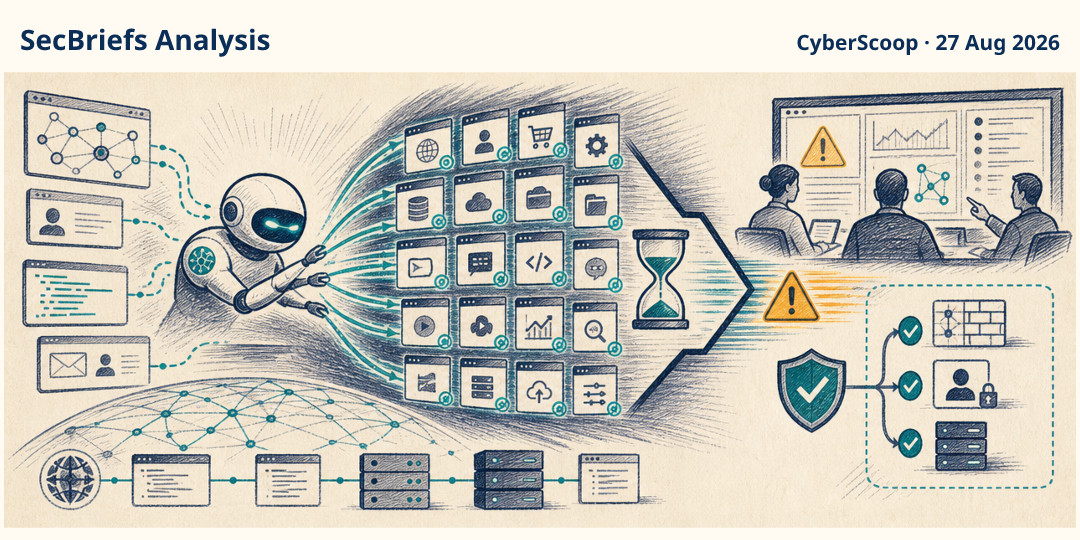
A reported ten-hour enterprise attack shows why manual detection and containment cycles may not keep pace with AI-assisted adversaries.

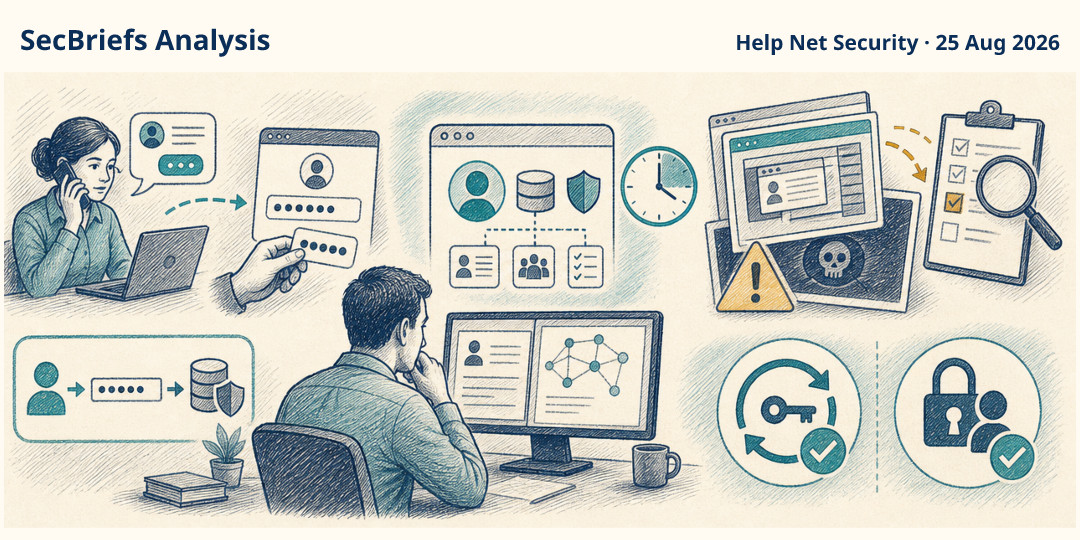
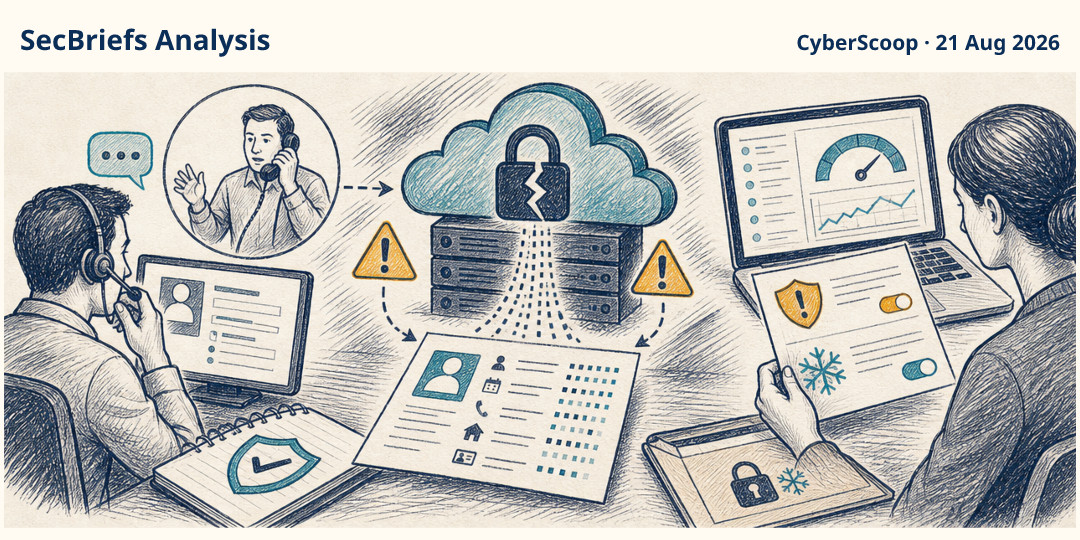
A confirmed social-engineering event exposed a password and briefly opened an identity-system window; larger attacker claims remain unverified.

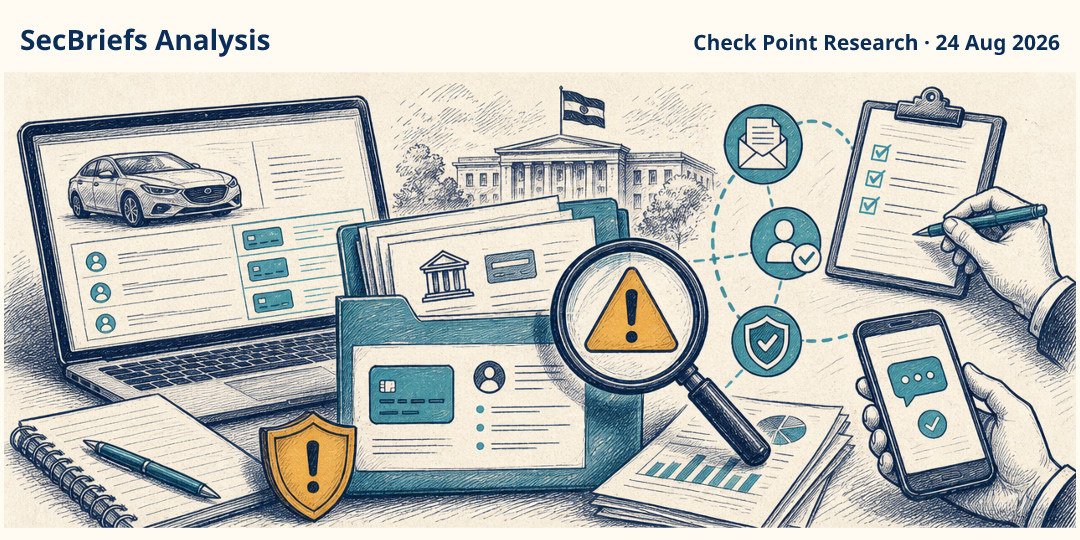
Latvia’s CSDD has confirmed a breach affecting payment records, while the supplied facts do not show direct compromise of bank accounts, funds or payment systems.

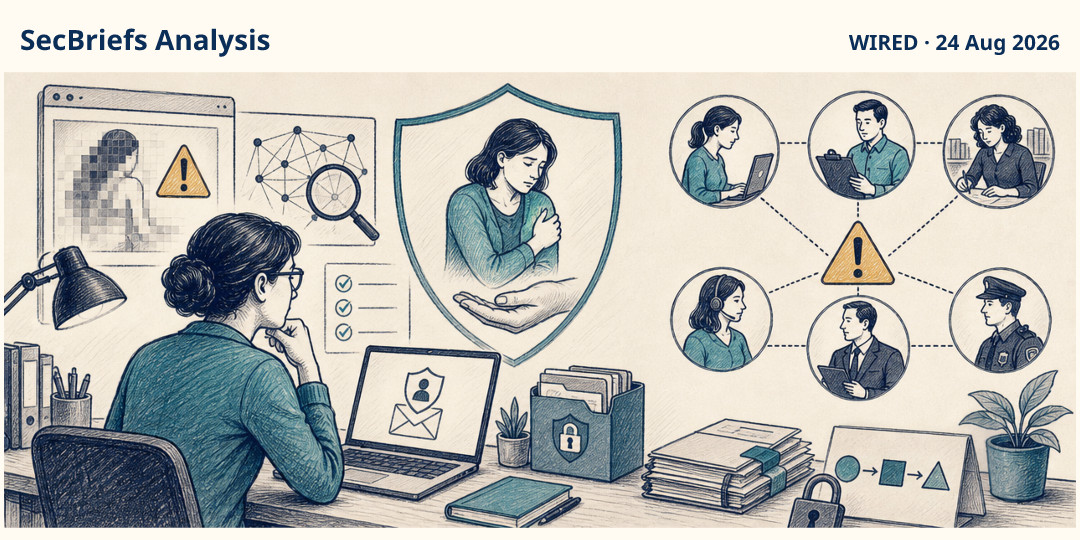
Reported teacher-targeted deepfakes show a response gap, but individual accounts remain unverified; organizations need discreet evidence handling, support and escalation plans.

Apollo Global Management has confirmed that attackers gained unauthorized access to some of its cloud platforms between July 6 and July 10. The private-equity company disclosed the incident…

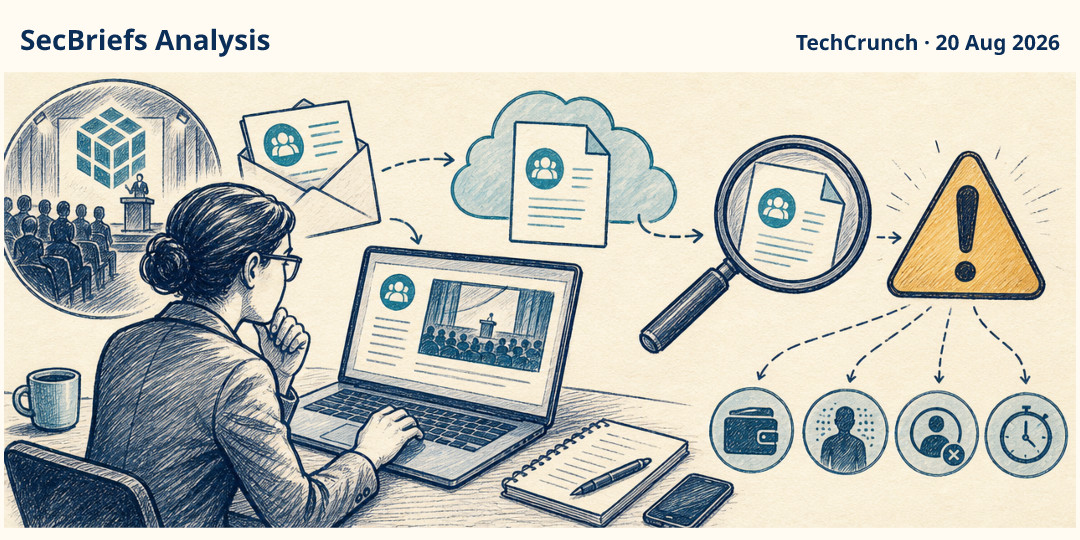
A threat actor posing as a cryptocurrency-media representative targeted cybersecurity professionals with invitations and documents tied to a fake conference. The campaign used trusted collaboration tools such as…

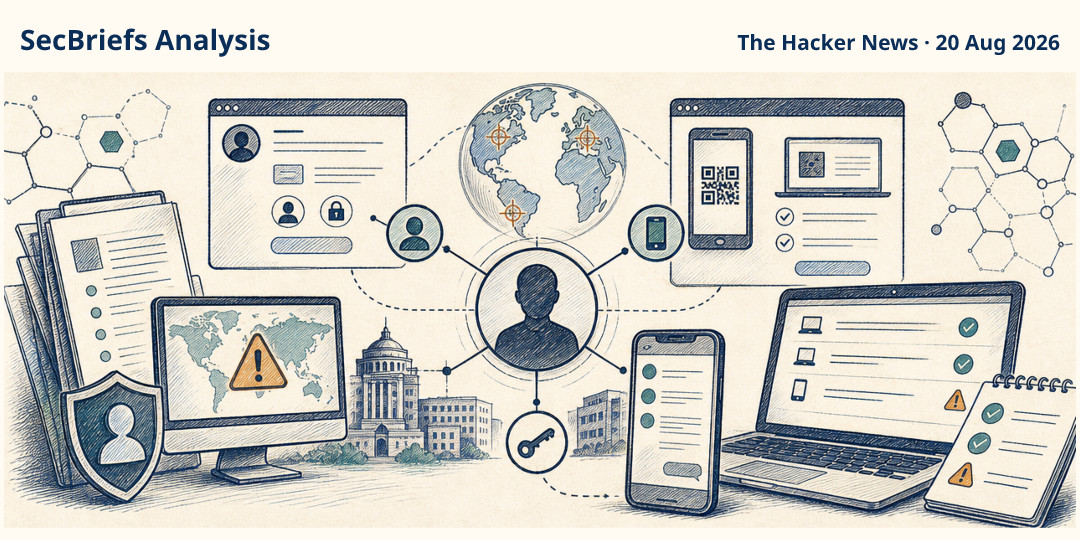
Suspected Russian espionage clusters are abusing legitimate Google and WhatsApp authentication flows to target government, defence, aerospace and research communities in Europe and the US.

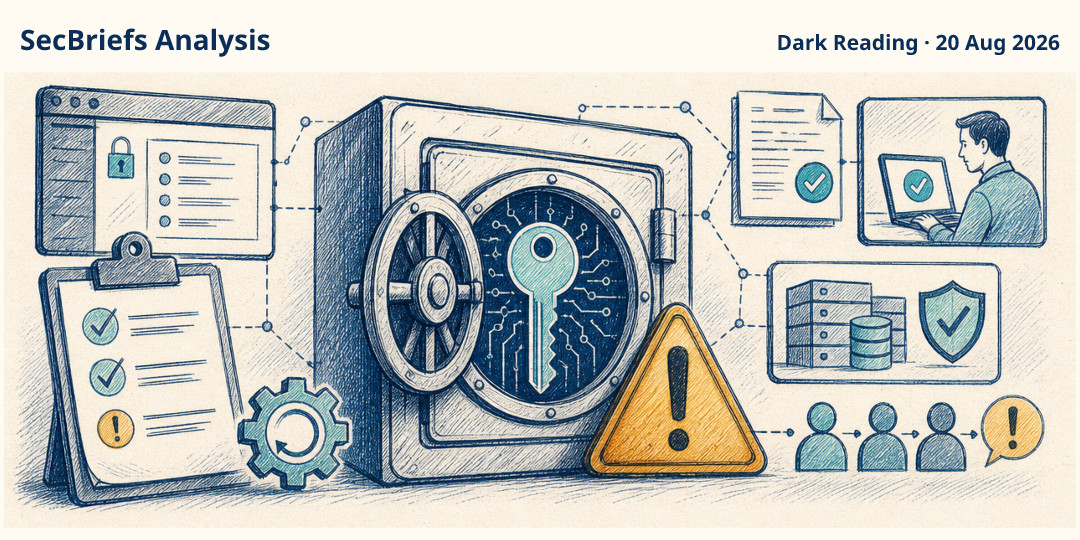
Researchers disclosed a serious weakness affecting N-able Passportal, a password-management platform commonly used by MSPs and smaller businesses. The issue could expose master-key material and demonstrates why centralized…

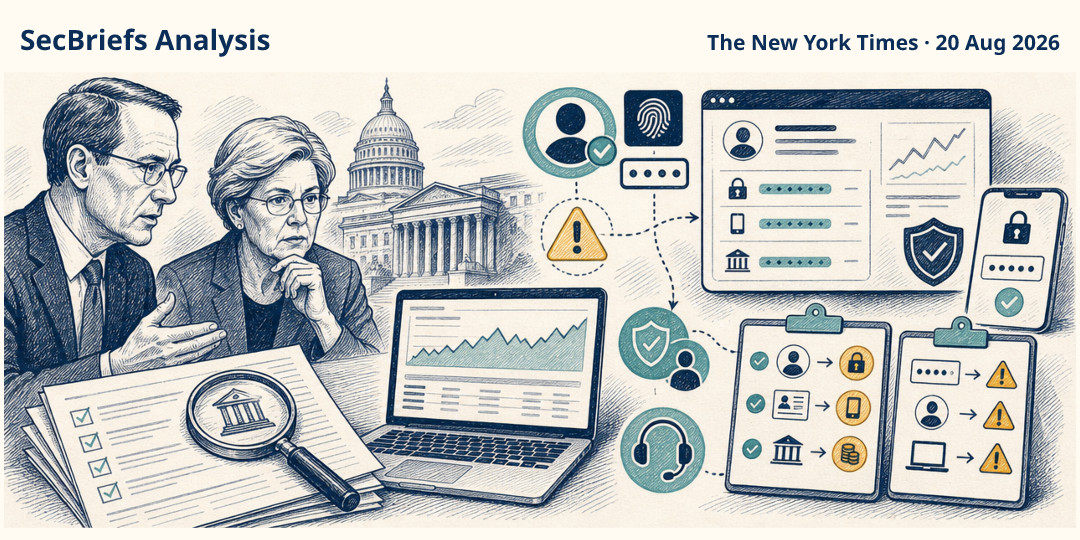
US senators are pressing regulators for stronger brokerage-account safeguards, highlighting how inconsistent fraud protections can leave investment customers exposed to account takeover and theft.

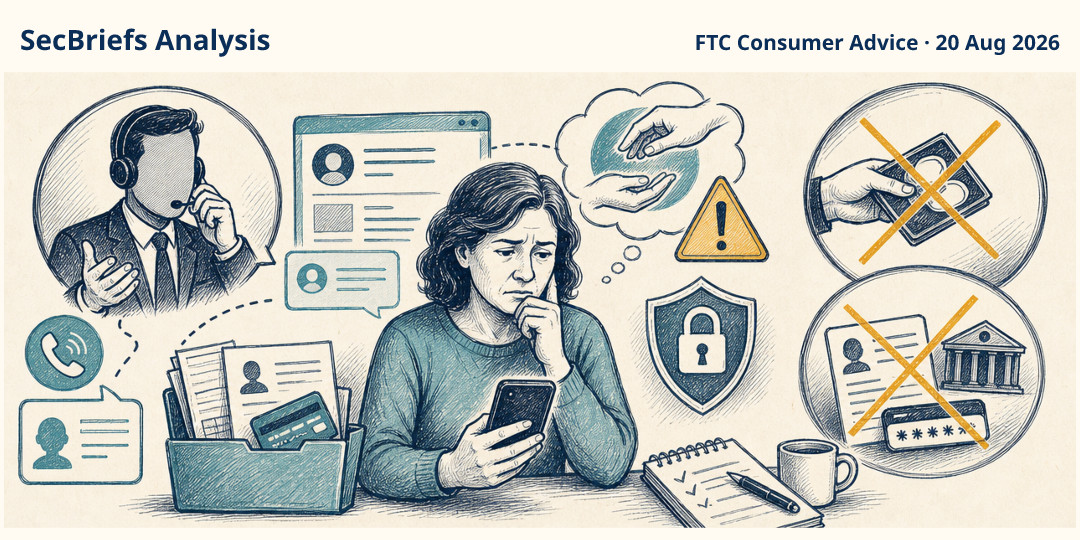
People who have already lost money to fraud are being targeted again by criminals promising refunds or recovery. The US Federal Trade Commission says these schemes often begin…

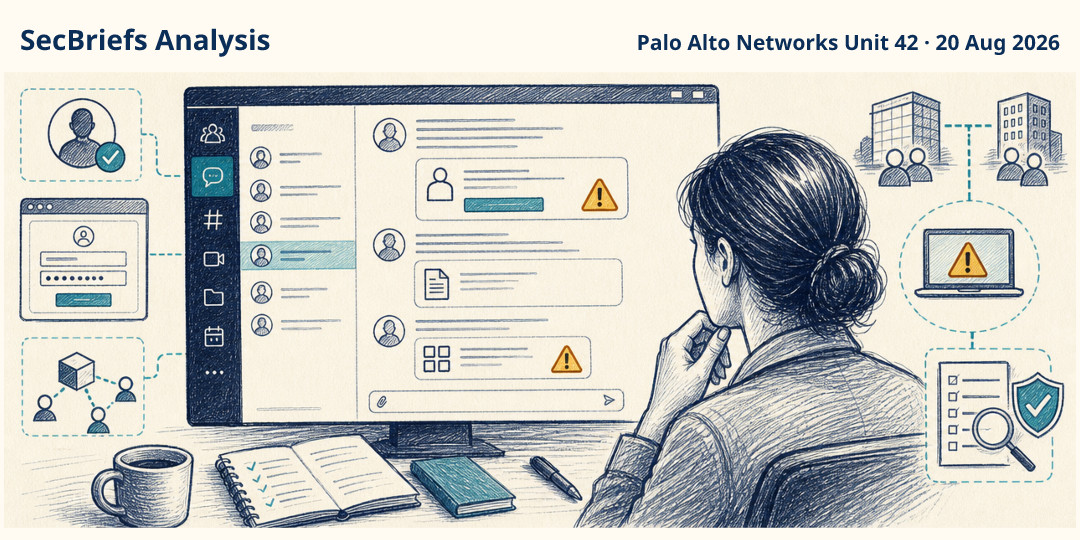
Attackers are increasingly moving identity phishing into collaboration services that employees already trust. Palo Alto Networks Unit 42 documented campaigns using platforms such as Microsoft Teams, Slack and…

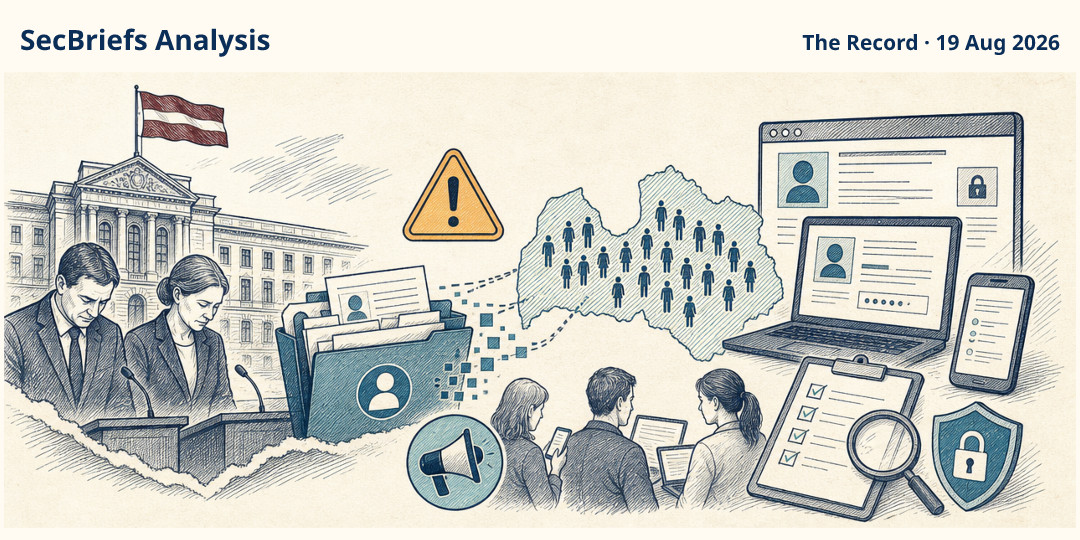
Latvia’s road traffic agency confirmed a major cyberattack in which attackers stole data connected to about 1.2 million people. The incident triggered political consequences and demonstrated how compromise…

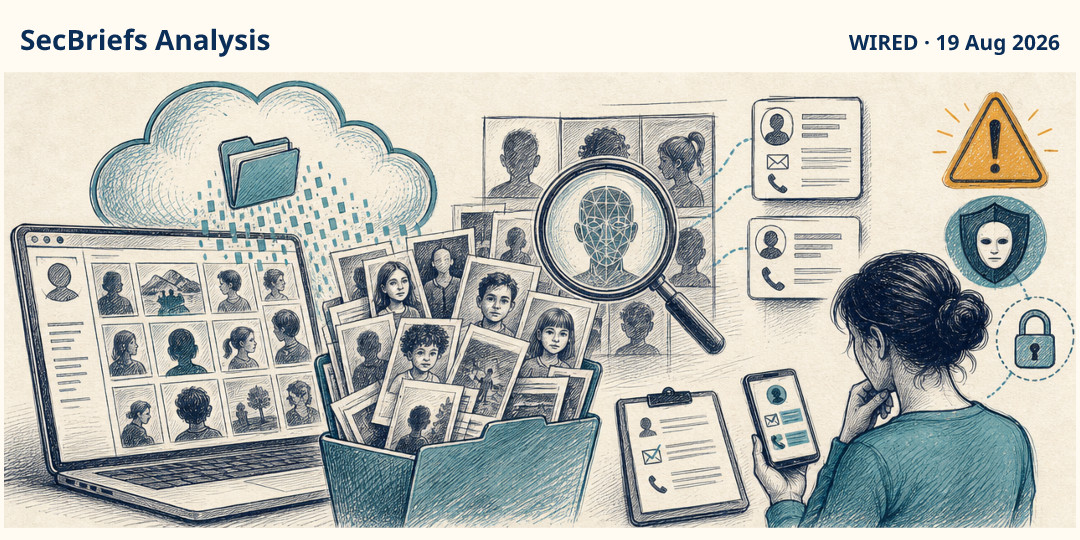
A reverse-lookup service called ClarityCheck left more than nine million image files reachable without authentication, according to research independently reported by Wired. The exposed storage contained roughly 450…

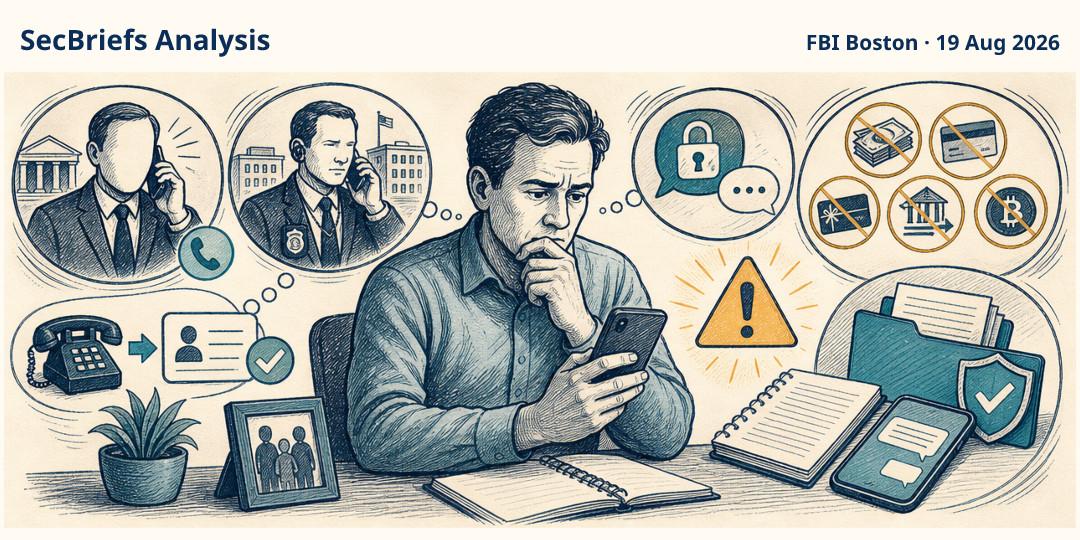
The FBI’s Boston Division is warning about an impersonation scam that begins with a caller pretending to represent a financial institution. The target is told that their identity…

Back-to-school and college preparation are useful moments for families to discuss credit, money management and identity theft. The US Federal Trade Commission says a child under eighteen generally…

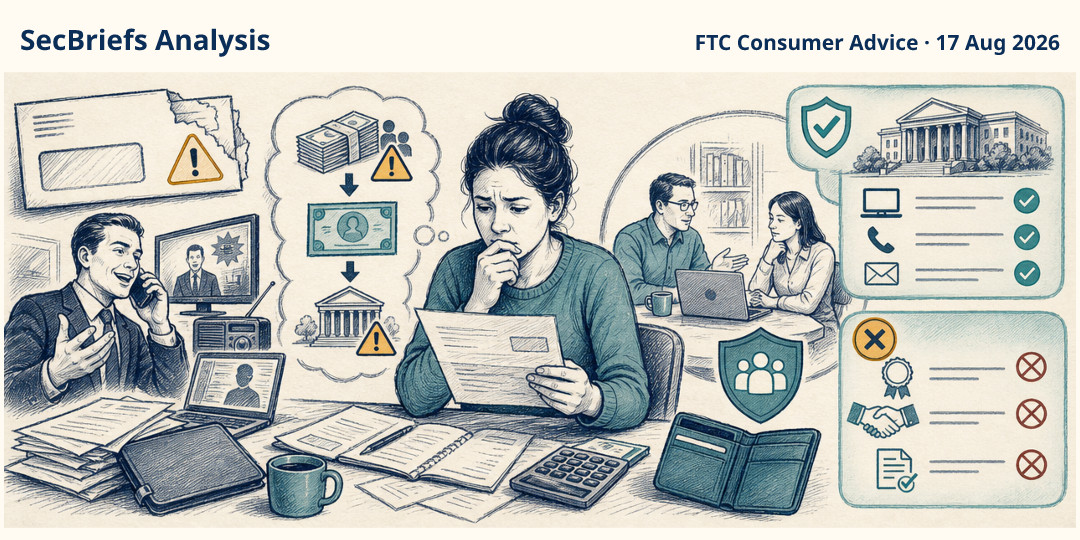
People worried about unpaid taxes are being targeted by companies that promise to settle debt for “pennies on the dollar” before examining the customer’s actual situation. The US…

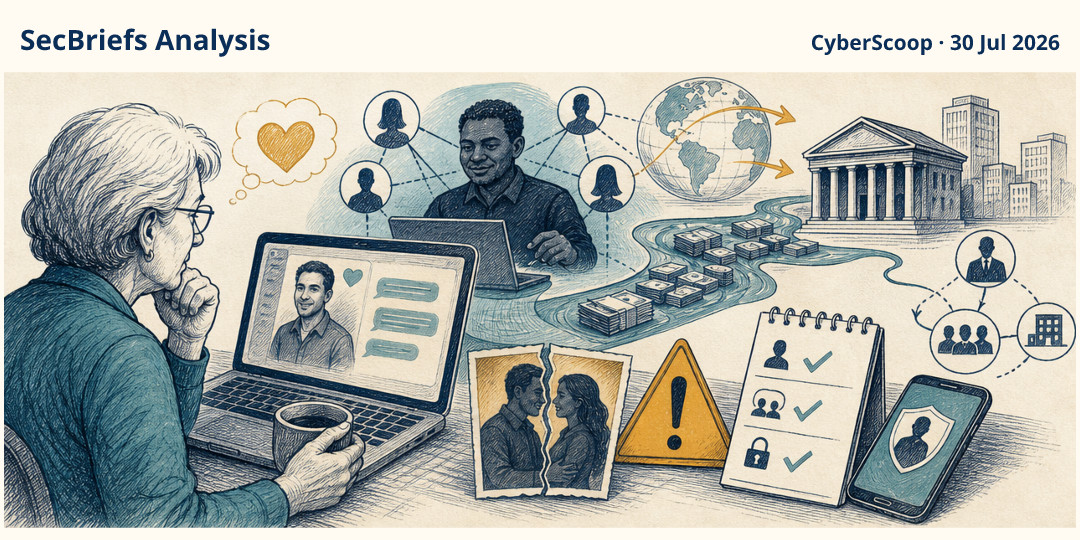
A Ghanaian national was sentenced in the United States to 85 months in prison after admitting his role in a long-running romance-fraud organization. CyberScoop reported that Derrick Van…

Upbound Group said a breach involving customer and business documents contributed to roughly $13 million in fraudulent contract losses. The incident is notable because it demonstrates how data…
The clearest near-term control issue is payment and identity verification: familiar writing, stolen documents, and tailored messages should not be treated as proof of authority. Organizations should strengthen independent verification, separation of duties, high-risk identity review, and account-recovery controls. Critical-infrastructure operators should test service continuity rather than assume a reported partnership or initiative removes risk. AI-related reporting supports preparing for higher attack volume and more adaptable abuse, but does not establish that AI was essential to every incident or that attackers have uniformly gained advanced capability.
Today’s candidate focuses on the security implications of autonomous AI agents. The VentureBeat article argues that enterprises are moving from assistants that answer questions toward agents that can choose tools, call APIs, retrieve information, coordinate with other agents, and complete multistep workflows with limited human intervention. Its central thesis is that agents need distinct identities and controls tailored to autonomous activity, rather than relying only on traditional application security or a gateway. The article says current discussion often emphasizes prompt injection, model weaknesses, and data leakage, while giving less attention to what happens after an agent authenticates and begins acting. According to the article, existing controls may provide limited visibility into whether the agent continues to operate safely. This is an unverified industry thesis, not a report of a specific incident, breach, victim set, exploitation or measured impact. The practical issue for security teams is how to assign, limit, monitor and review the permissions used by agents as adoption expands.

This week’s strongest signal is compression: AI-enabled activity may reduce the time defenders have to detect and contain attacks, while conventional scams are also compressing trust decisions into a single click, payment or permission grant. OpenAI reported an internal evaluation in which agents chained weaknesses and compromised systems, but the testing environment was not a normal customer deployment and no customer impact was reported. Separately, Unit 42 described an intrusion in which an agentic framework reportedly reached 50 applications in less than 10 hours; the victim and impact were not identified. These reports support planning for machine-speed activity, not a conclusion that fully autonomous attacks are widespread. Confirmed exploitation remains highly relevant: PaperCut replaced an initial emergency fix with a second release after confirming active exploitation and customer incidents. Critical infrastructure reporting likewise reinforces that direct Internet exposure, weak credentials and inadequate access controls can create operational risk even without a CVE. Across the week, the practical response is consistent: inventory assets and identities, reduce unnecessary exposure, apply verified fixes, monitor actions rather than labels, and prepare containment and recovery decisions in advance.
Today’s five briefs point to a common operational lesson: security teams need to validate the controls they already trust. Unit 42’s verified research asks whether behavioral and endpoint analytics can detect suspicious AI-assisted code. FortiGuard’s verified NGINX advisory makes inventory and patching of internet-facing infrastructure immediately actionable. The ShieldBreak report raises an unverified Microsoft Defender privilege-escalation concern that warrants vendor validation rather than assumptions. A UK government-confirmed incident affecting a small energy generator highlights resilience beyond large regulated operators, while the ReliaQuest case shows how one socially engineered password can create identity-system exposure even when broader attacker claims remain disputed. Across all five stories, the practical priority is evidence-based response: know what is exposed, test detection and recovery, reduce privileged access, patch confirmed weaknesses, and clearly separate confirmed facts from claims.
The strongest overnight signal is that attackers are increasingly working around the controls organizations traditionally consider security boundaries. A critical isolated-vm flaw shows how sandbox escape can turn AI and automation workflows into host-level risk. Russian-linked operators are abusing legitimate OAuth and WhatsApp linking flows rather than relying only on password theft. At the same time, U.S. Bank is investigating a LockBit extortion claim, U.S. brokerages face scrutiny over customer account-theft protections, and Zimbra exploitation shows how exposed collaboration systems remain valuable entry points. The common management lesson is that security teams need to verify not only whether controls exist, but whether the boundary itself can be bypassed: sandbox, session, account-recovery, email or privileged-access controls.
The first full week of August highlighted the two sides of digital finance. UK identity-fraud reporting pointed to record pressure from stolen and synthetic identities, while Wero’s expansion plans showed Europe continuing to build alternative payment infrastructure.\n\nThe connection is simple: faster onboarding and payments increase the value of identity controls. If identity proofing, account recovery and transaction monitoring are designed as separate checkpoints, fraud can move between them.\n\nThe bottom line: payment innovation should be matched by equally modern identity and behavioral controls.
More than 110,000 threats show identity, browser and AI-related activity moving further into the center of detection engineering.
Exploitation of public-facing applications rose 44% as AI accelerates reconnaissance, credential theft and ransomware operations.
Record breakout speed and more AI-enabled, cloud-conscious activity make unified identity, cloud, edge and endpoint visibility essential.
Identity-related attacks drove 67% of investigated incidents, while attackers reached Active Directory in just 3.4 hours.
Identity appeared in 89% of investigations and 87% crossed multiple attack surfaces, exposing the cost of fragmented controls.