

Fraud services are fragmenting across smaller and less visible channels
Fraud activity is spreading across smaller, specialized channels, making single-source monitoring less reliable and cross-team correlation more important.
3 min readOpen brief →
Fraud increasingly blends social engineering, trusted channels and stolen identity signals. This hub tracks verified fraud developments and explains the operational controls that matter for financial, security and risk teams.
Fraud activity is spreading across smaller, specialized channels, making single-source monitoring less reliable and cross-team correlation more important.

AI can make executive impersonation and invoice fraud more convincing; payment controls must verify requests outside the channel that delivered them.
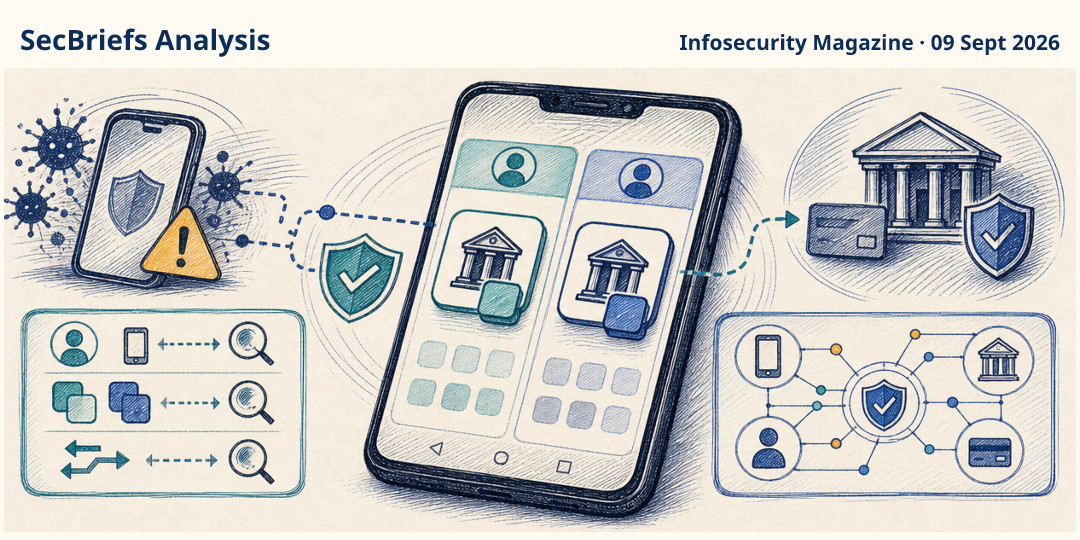
Gigabud is reported to use Android app cloning to separate banking activity from malware alerts, creating a mobile fraud-detection problem for banks and users.
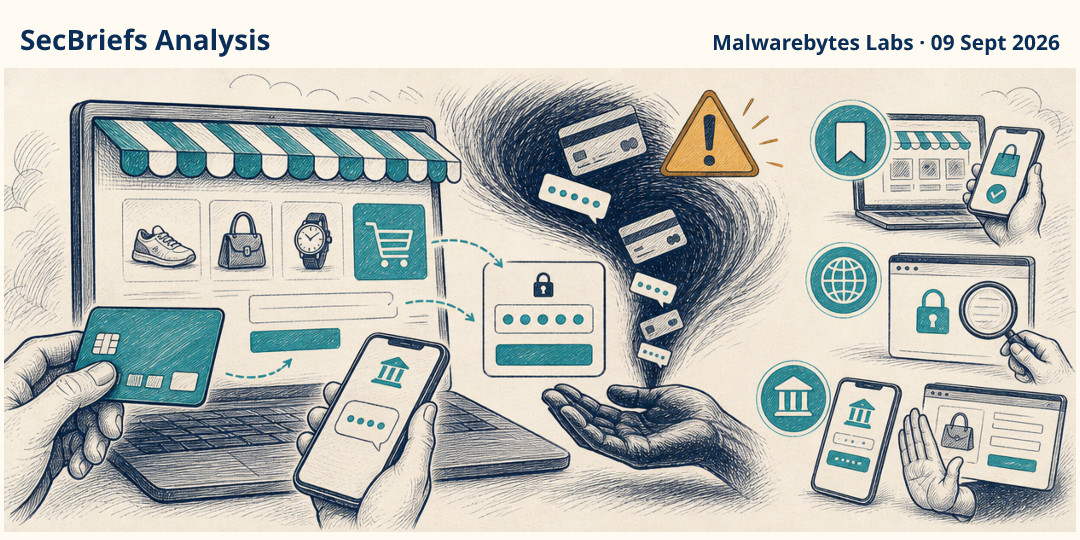
DoppelCart’s reported fake-store network imitates retailers and seeks both card data and one-time bank confirmation codes during checkout.
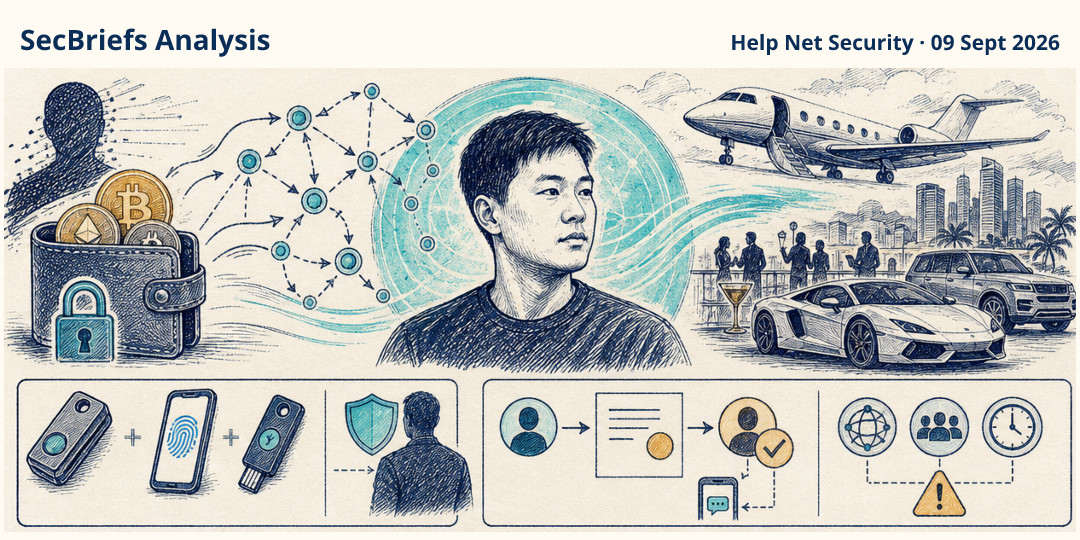
A guilty plea in a reported $245 million crypto theft case underscores why wallet access controls, transaction monitoring, and rapid evidence preservation must work together.
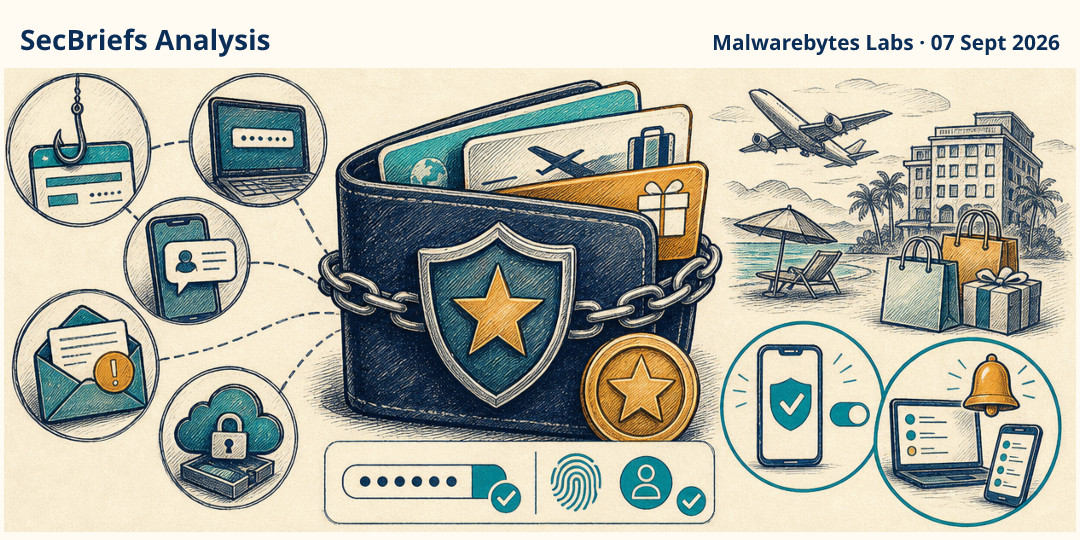
Loyalty points have real value, yet many users protect them less carefully than cash accounts. Review controls before a balance becomes an easy target.
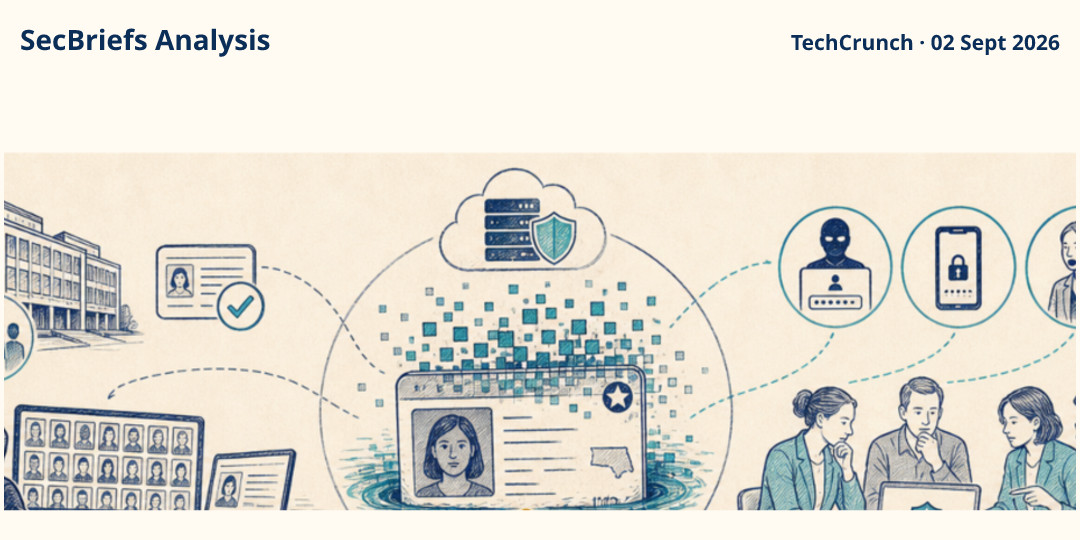
A reported identity-service compromise could put document-based trust under pressure, even though the theft claim and alleged scale still require independent confirmation.
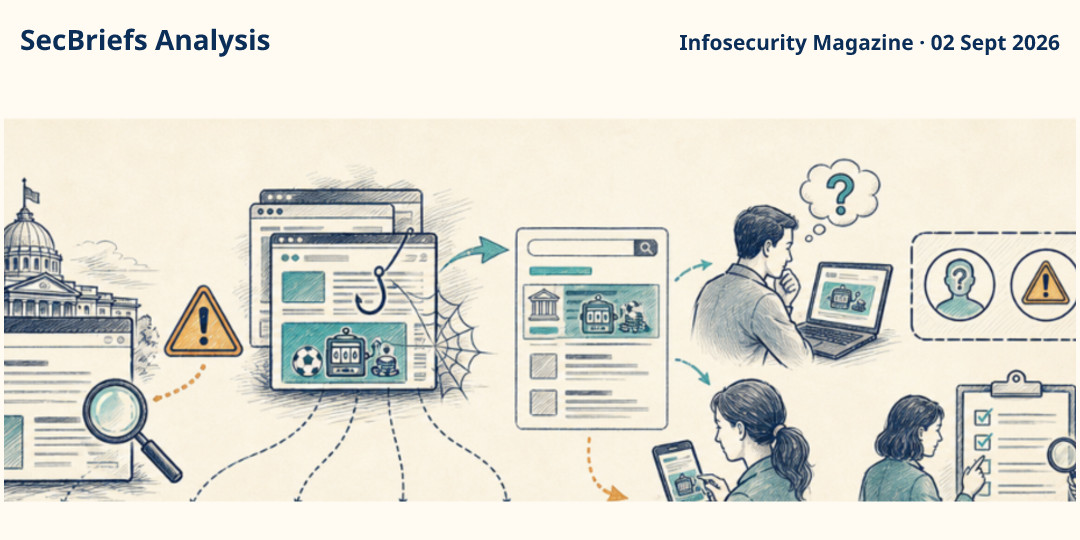
Compromised government webpages can become credible launchpads for harmful traffic, showing why web integrity deserves fraud monitoring as well as routine maintenance.
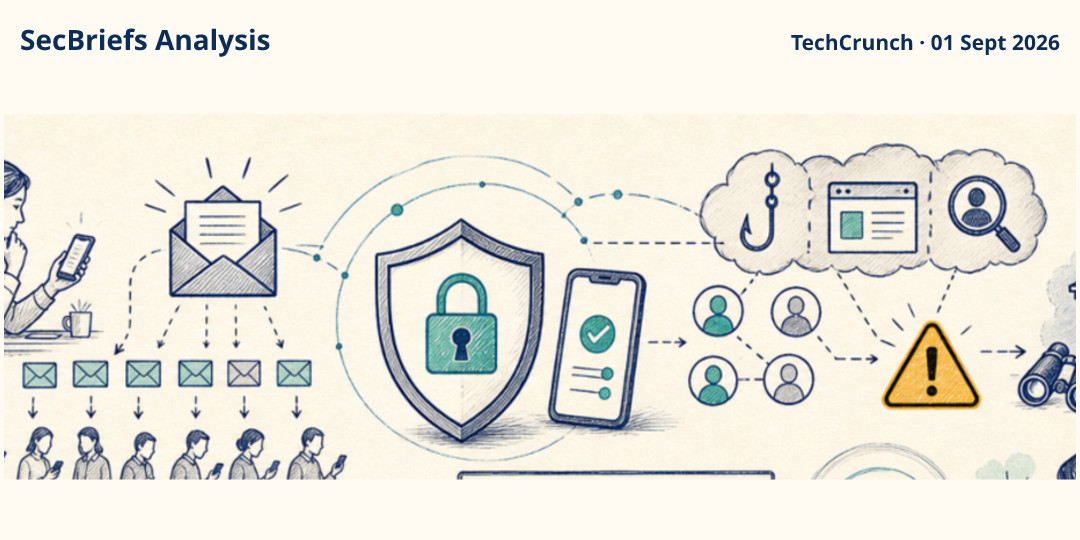
An unexpected reset email is both a customer-experience problem and a possible attack signal. The useful question is whether recovery controls withstand pressure and deception.
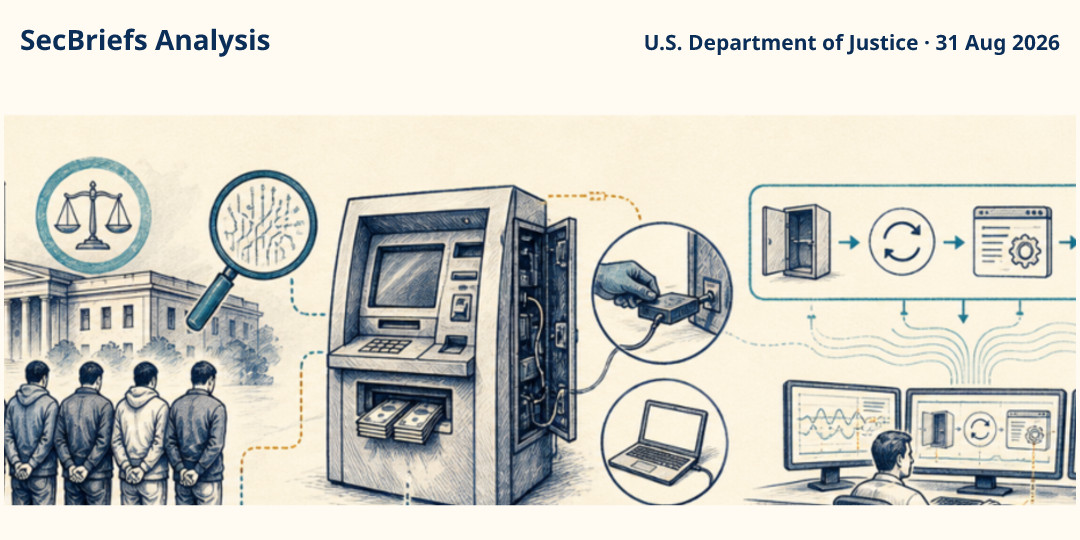
Federal guilty pleas show how ATM malware can turn a familiar cash machine into a physically accessed fraud endpoint.
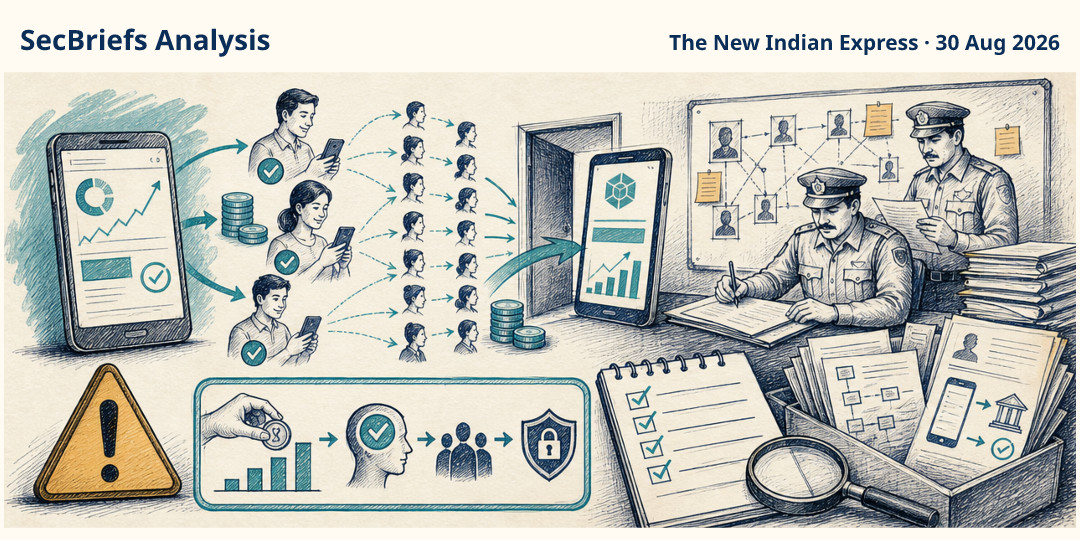
Early payouts and convincing account balances can turn a small speculative payment into a much larger, unrecoverable loss.
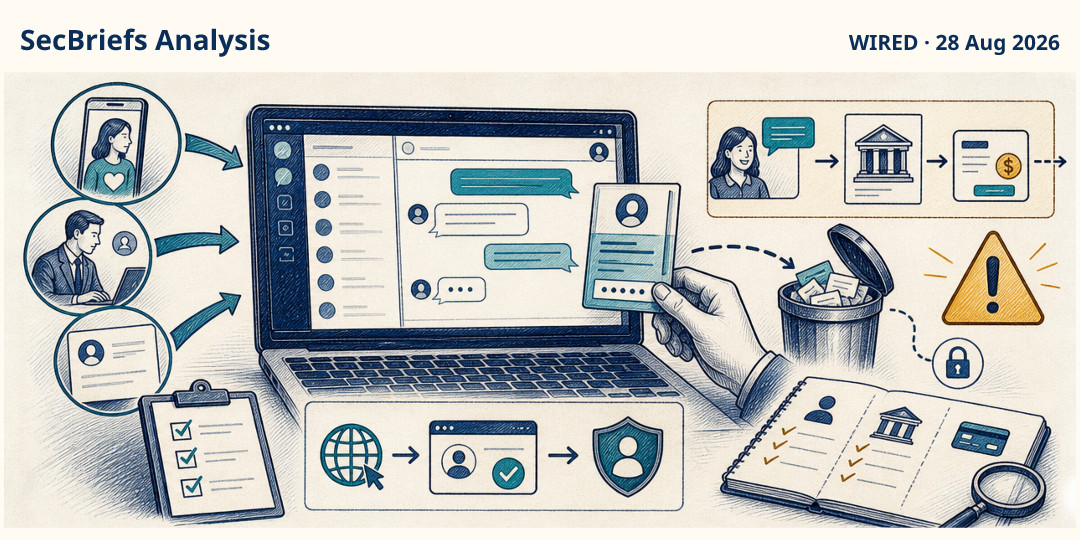
A trusted workplace interface can make a scammer look legitimate even when the criminal controls the account and the evidence.
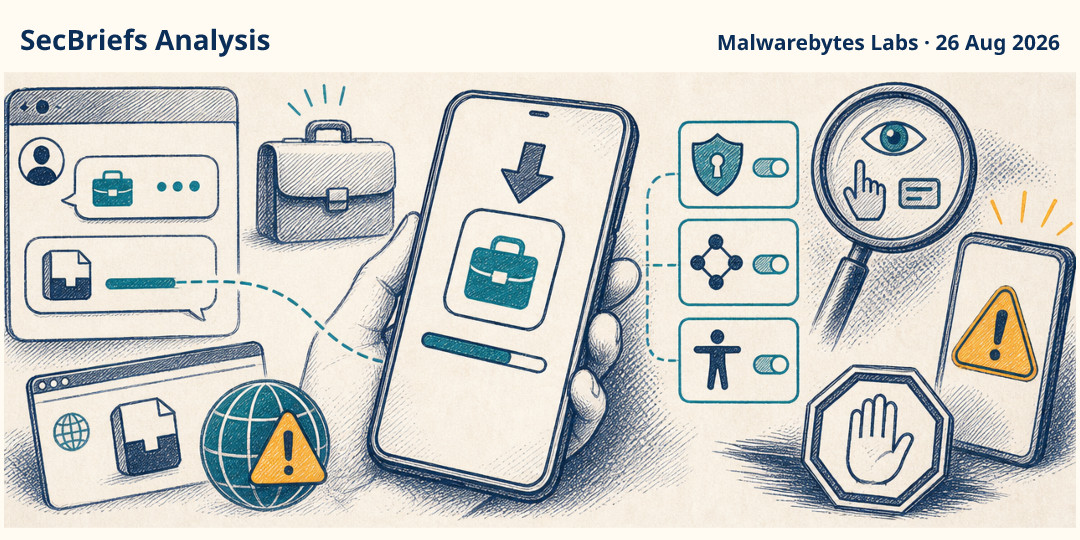
The promise of an interview is being used to persuade job seekers to hand spyware control of their phones.
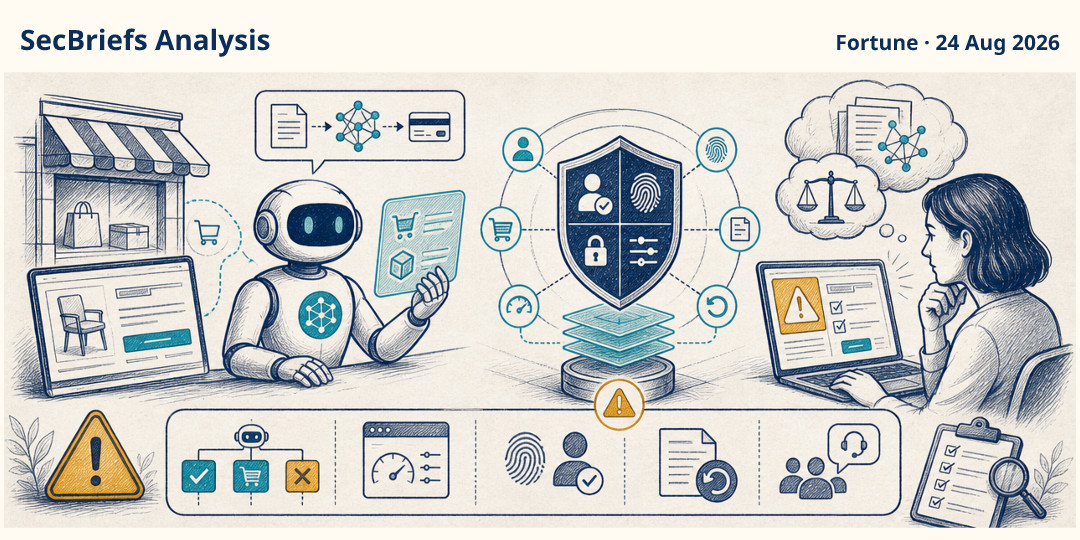
AI-agent payment records may help explain disputed transactions, but unverified provenance is not a substitute for customer authorization, limits or dispute controls.
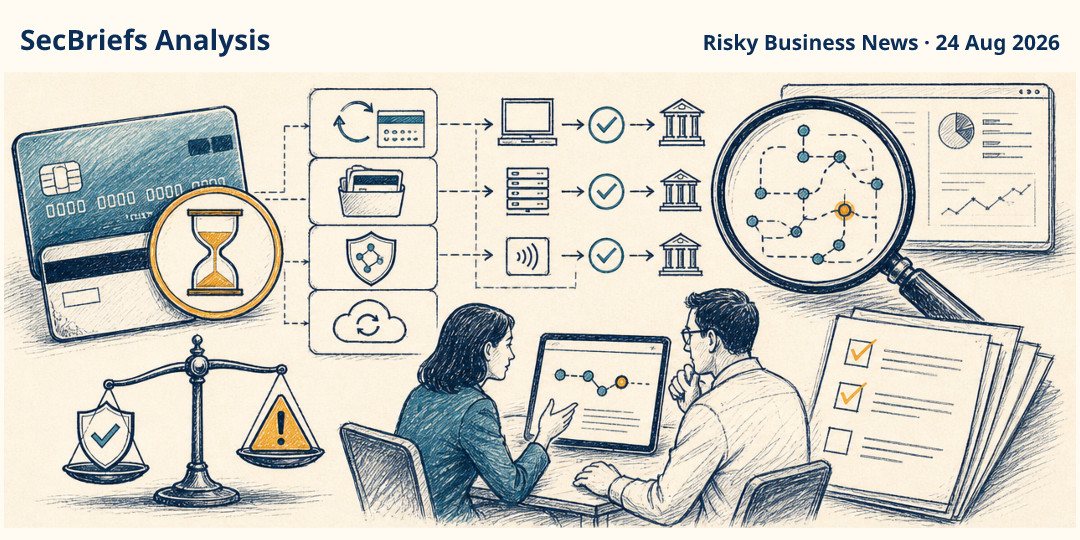
A bulletin’s expired-card fraud claim is unverified; payment teams should test issuer, network and token behavior before changing controls or customer guidance.
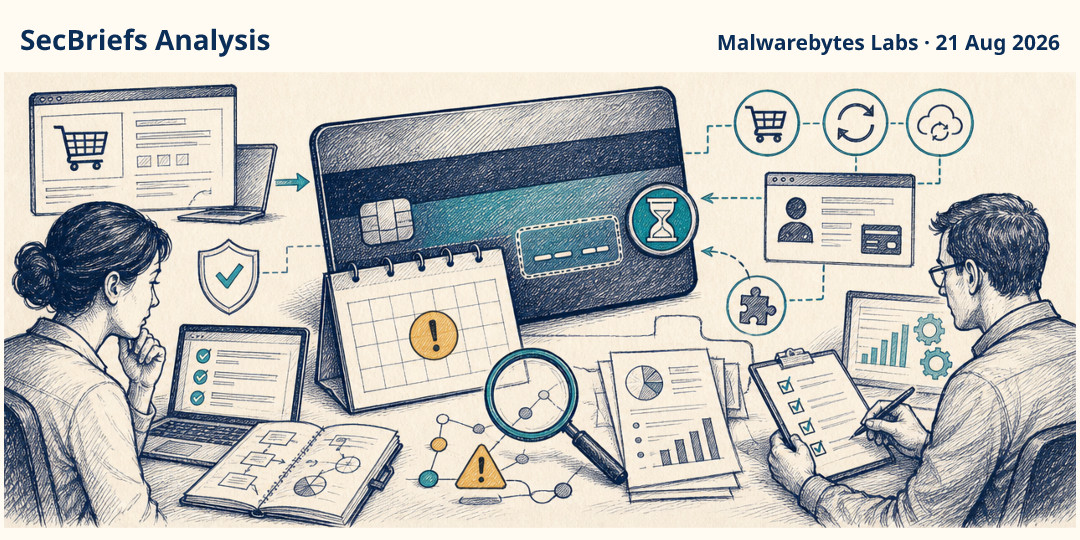
Malwarebytes Labs reports that scientific research found the expiration date on some Visa credit cards could be manipulated in so-called Zombie Card attacks. This candidate is marked verified…
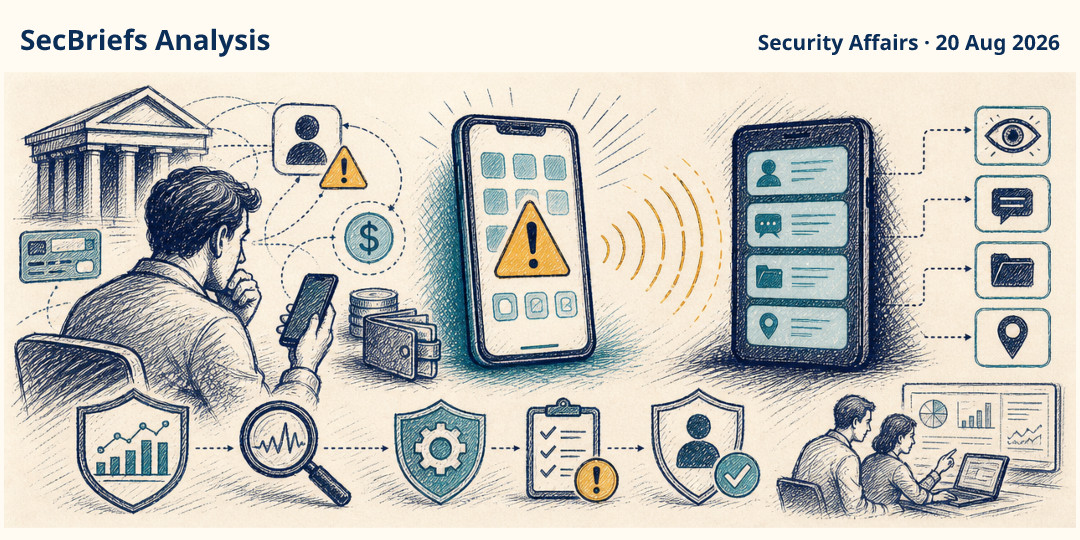
ThreatFabric researchers described Manic, an Android malware family combining banking-fraud capabilities with spyware and remote-control features. A notable design choice allows data to be relayed through Bluetooth, reducing…
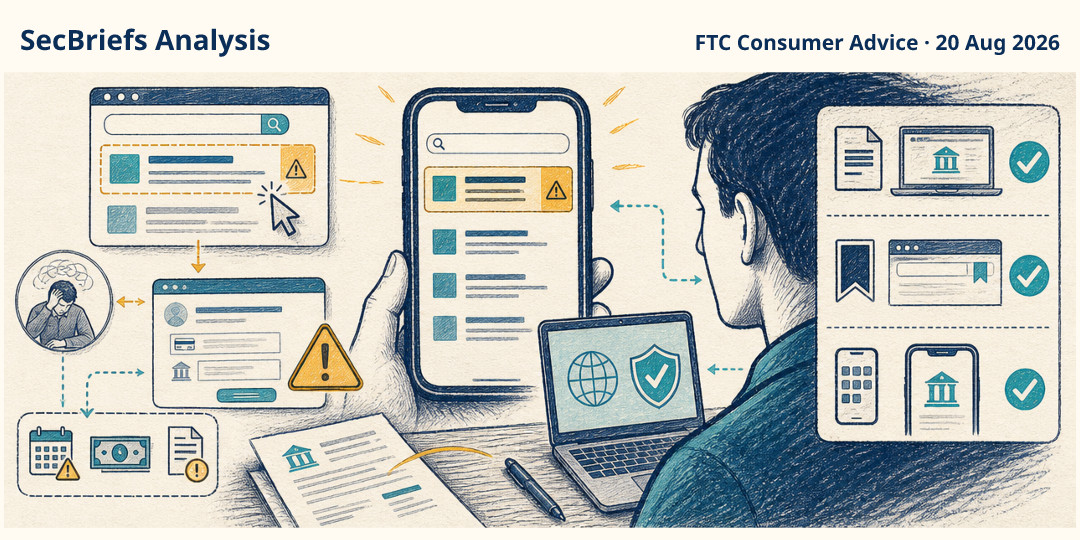
Paying a bill online often begins with a search for the provider’s website. The US Federal Trade Commission warns that the first result may be a paid advertisement…
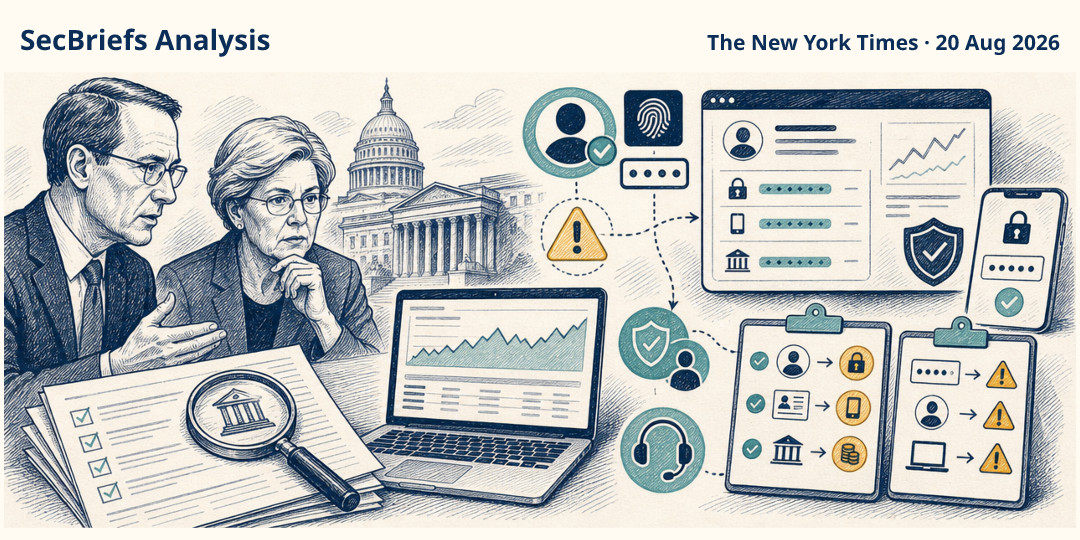
US senators are pressing regulators for stronger brokerage-account safeguards, highlighting how inconsistent fraud protections can leave investment customers exposed to account takeover and theft.
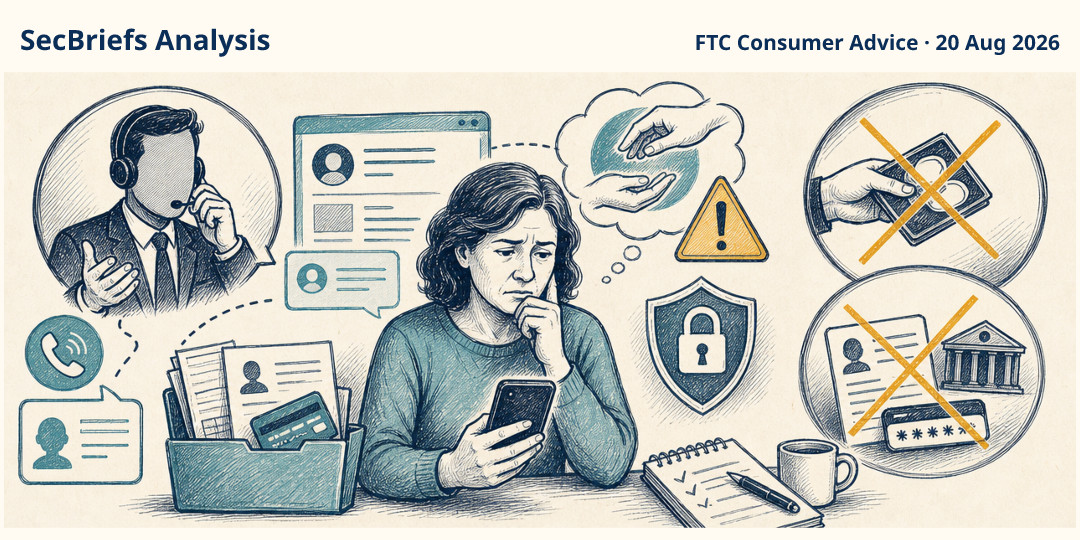
People who have already lost money to fraud are being targeted again by criminals promising refunds or recovery. The US Federal Trade Commission says these schemes often begin…
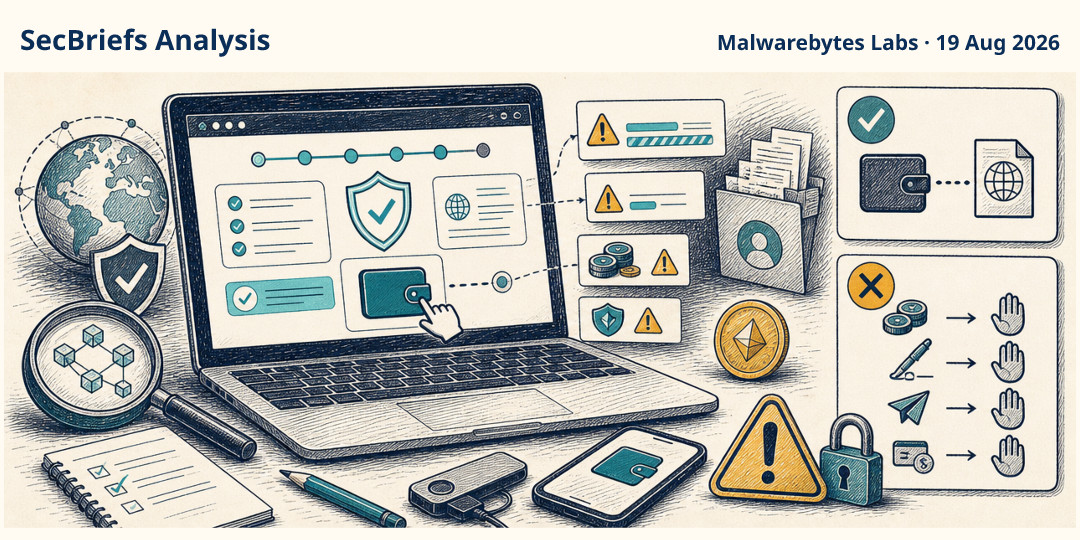
Scammers are imitating cryptocurrency anti-money-laundering services and using the appearance of a security check to obtain wallet permissions. Malwarebytes researchers documented sites that copied the branding and language…
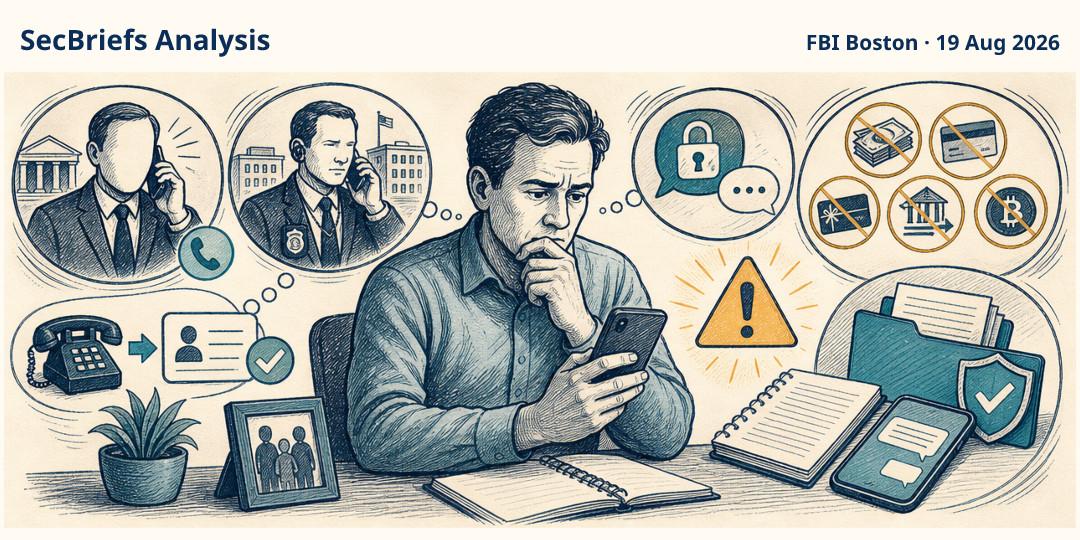
The FBI’s Boston Division is warning about an impersonation scam that begins with a caller pretending to represent a financial institution. The target is told that their identity…
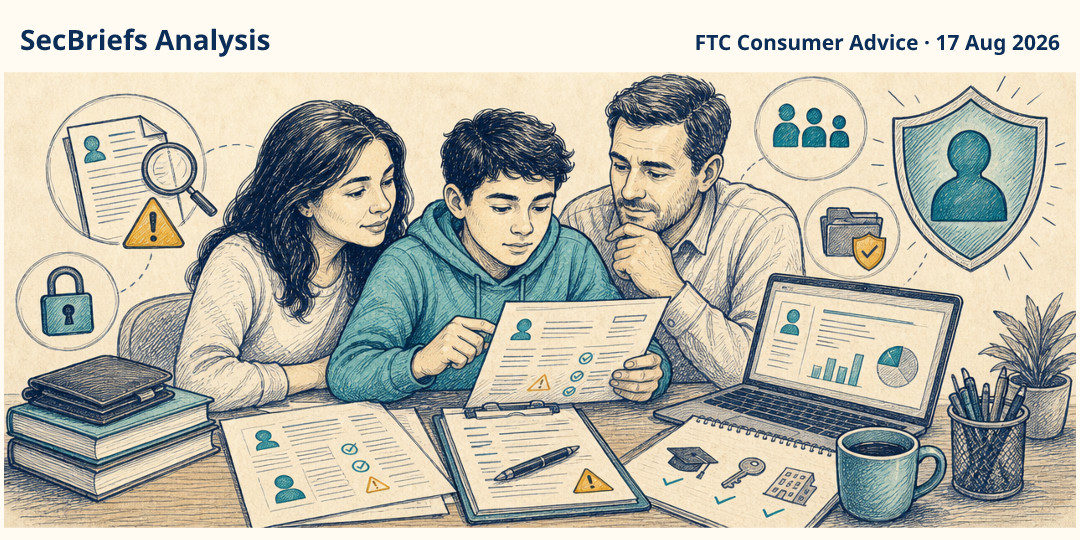
Back-to-school and college preparation are useful moments for families to discuss credit, money management and identity theft. The US Federal Trade Commission says a child under eighteen generally…
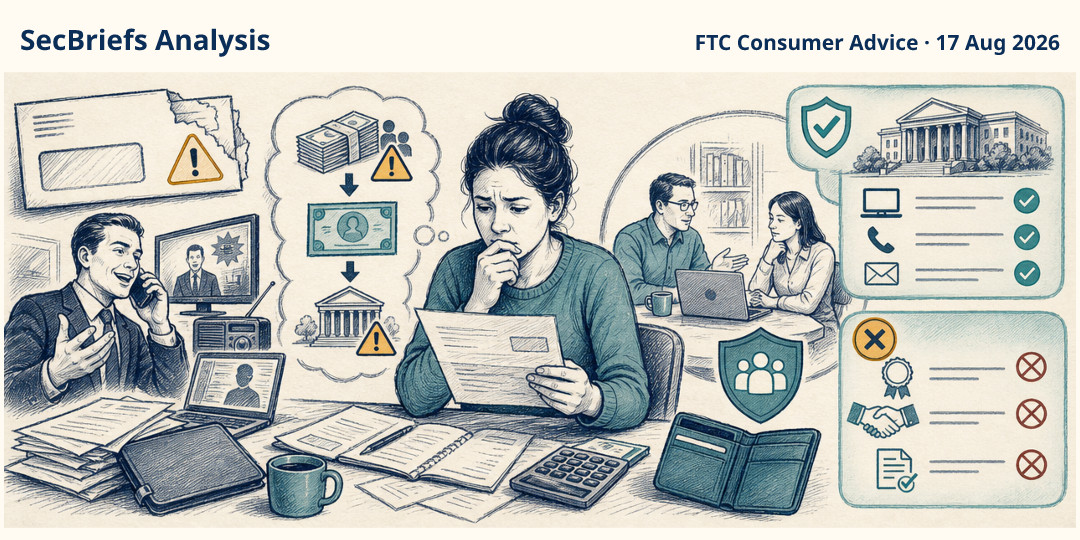
People worried about unpaid taxes are being targeted by companies that promise to settle debt for “pennies on the dollar” before examining the customer’s actual situation. The US…
Today’s verified briefs point to failures that can occur when organizations treat trusted signals as conclusive. Revolut reportedly disclosed sensitive customer information after fraudulent requests from a legitimate government email environment, showing that domain authenticity does not prove authorization. Anthropic’s assessment describes AI as becoming more operational in cybercrime and fraud, but the supplied reporting does not establish the scale of every predicted use. CISA has confirmed active exploitation of two MikroTik RouterOS vulnerabilities and separately warned of AVEVA Pipeline Integrity Monitor weaknesses, including disclosure and possible code-execution risks. A reported water-safety ruling highlights the need for authenticated, auditable public communications; the supplied material does not establish a specific unsafe-water event.
The five verified briefs point to practical detection and response challenges rather than a single connected campaign. Android work-profile cloning can hide a banking app from routine checks, while fragmented fraud channels make isolated monitoring less reliable. Cisco Secure Firewall Management Center flaws are reportedly being exploited in ransomware activity, but the supplied reporting does not establish universal compromise or prevalence. Public-sector teams face staffing and funding constraints, and a breached Trezor email provider has enabled targeted phishing. Organizations should validate exposure, correlate signals, preserve evidence, and avoid treating unverified claims as confirmed incidents.
The clearest near-term control issue is payment and identity verification: familiar writing, stolen documents, and tailored messages should not be treated as proof of authority. Organizations should strengthen independent verification, separation of duties, high-risk identity review, and account-recovery controls. Critical-infrastructure operators should test service continuity rather than assume a reported partnership or initiative removes risk. AI-related reporting supports preparing for higher attack volume and more adaptable abuse, but does not establish that AI was essential to every incident or that attackers have uniformly gained advanced capability.
The five verified briefs show attackers exploiting normal-looking user actions rather than relying only on obvious malware or password attacks. Gigabud is reported to use Android app cloning to separate banking activity from malware signals. Passkey-themed lures can turn identity compromise into Microsoft cloud access. Fake retail sites are collecting card details and bank confirmation codes, while fake GTA6 downloads combine remote access, information theft, and destructive malware. A federal guilty plea in a cryptocurrency theft case highlights the need for rapid wallet protection, transaction monitoring, and evidence preservation. Reported campaign scale, victim counts, losses, and operational effectiveness remain uncertain where stated.
Several reports moved beyond theoretical risk. SonicWall said SMA1000 vulnerabilities were being actively exploited, including a pre-authentication SSRF that may be chained to command injection. CISA added a Chromium V8 flaw to its Known Exploited Vulnerabilities Catalog, confirming exploitation, although affected versions and remediation details were not supplied. These issues warrant accelerated asset discovery, vendor-guided remediation, and retrospective investigation rather than routine patch scheduling. Other reports highlight conditional but material fraud risk: a suspected large-scale driver’s-license exposure, Android banking malware distributed through advertising, and a confirmed ATM jackpotting case. The precise scale of several incidents remains unverified, so organizations should avoid treating criminal claims or exposure figures as confirmed victim counts. Across the reporting, trusted infrastructure—remote-access gateways, browsers, identity-verification providers, advertising platforms, ATMs, and third-party applications—remains a critical part of the security boundary.
Today’s edition connects five stories that look different on the surface but share one operational question: can a safeguard be trusted when it is needed? Anthropic’s controlled return to external cyber testing shows that powerful evaluators require hard boundaries, independent logs and a reliable stop mechanism. McKesson’s confirmed data theft shows how third-party application access can carry healthcare-scale consequences before the final victim count is known. Federal ATM jackpotting guilty pleas expose the physical and software seams that pure transaction monitoring can miss. Microsoft’s false Defender warning demonstrates how inaccurate control-state signals create both operational noise and an opening for social engineering. Project Watershed 250 brings the same lesson to critical infrastructure: testing and donated tools matter only if findings become durable, owned fixes. The shared response is evidence, not assumption—verify status from authoritative telemetry, reduce privilege, test recovery and make each remediation measurable.