
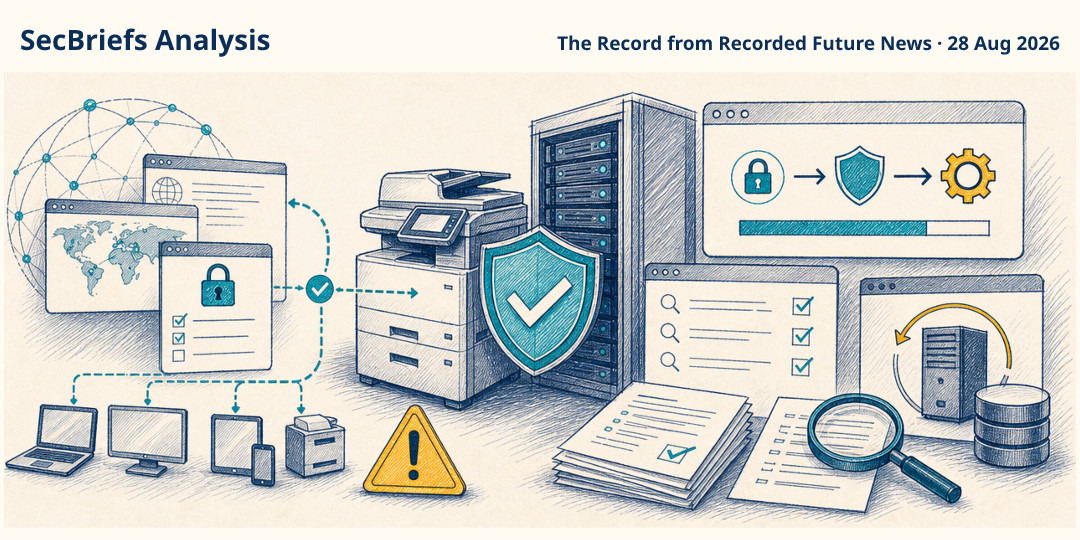
PaperCut issues second emergency patch during active exploitation
A replacement emergency patch changes the priority from routine updating to immediate exposure review, threat hunting and a possible clean rebuild.
3 min readOpen brief →
Verified cybersecurity, fraud and digital-banking signals with decision context, affected audiences and practical actions.
A replacement emergency patch changes the priority from routine updating to immediate exposure review, threat hunting and a possible clean rebuild.
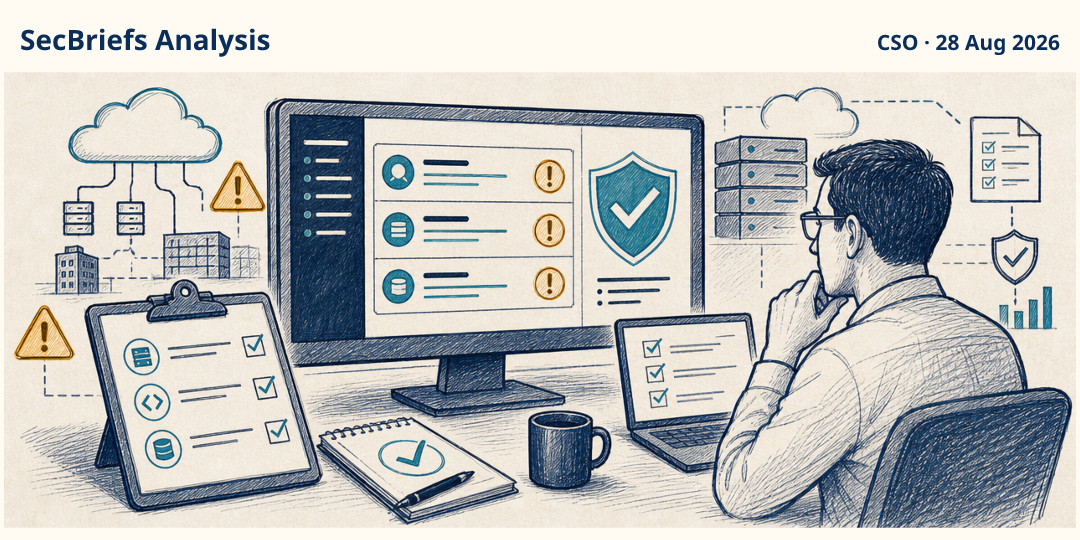
Three maximum-severity flaws make verified patch evidence—not assumptions about automatic cloud updates—the immediate priority for every ServiceNow platform owner.
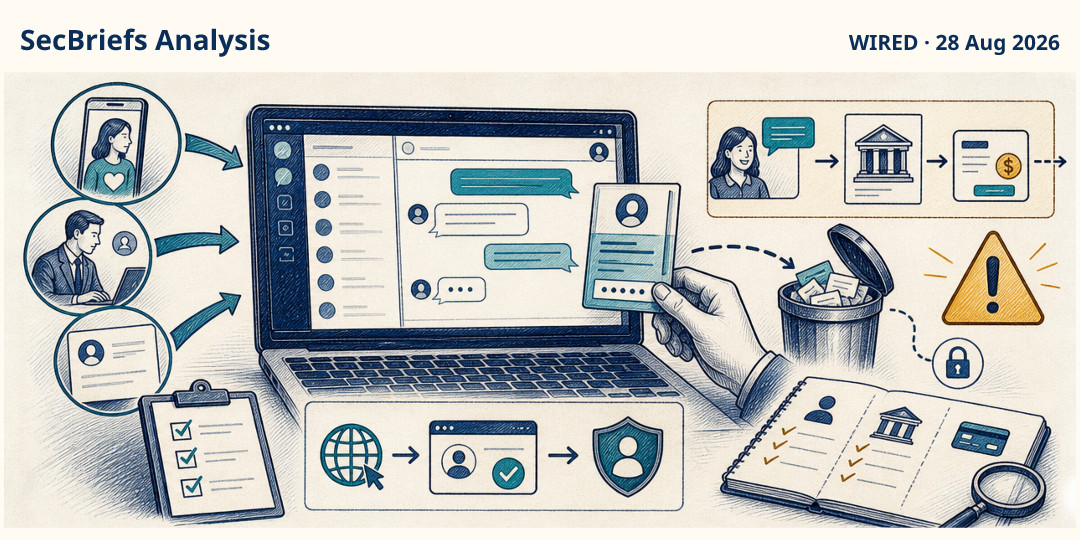
A trusted workplace interface can make a scammer look legitimate even when the criminal controls the account and the evidence.
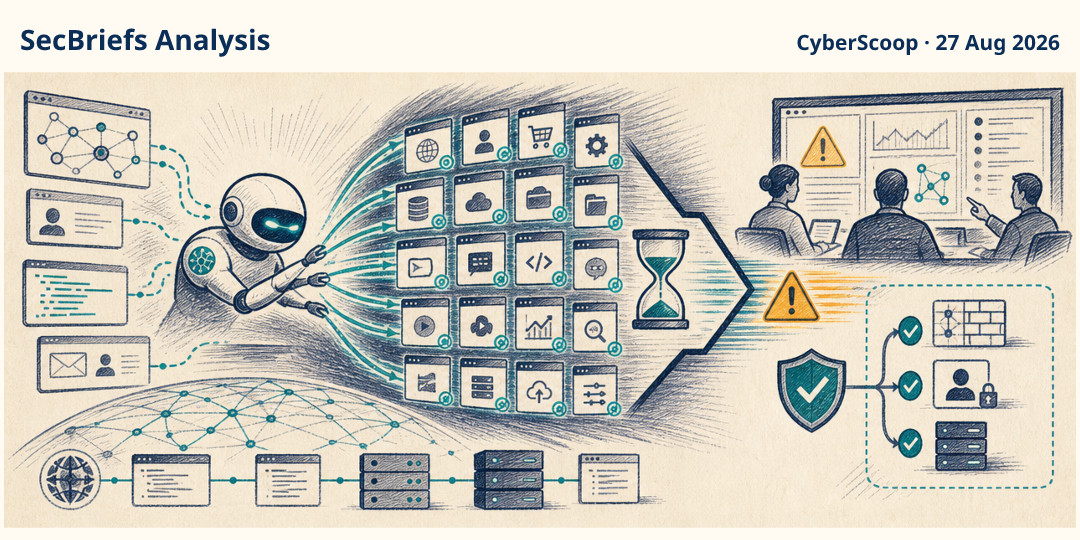
A reported ten-hour enterprise attack shows why manual detection and containment cycles may not keep pace with AI-assisted adversaries.
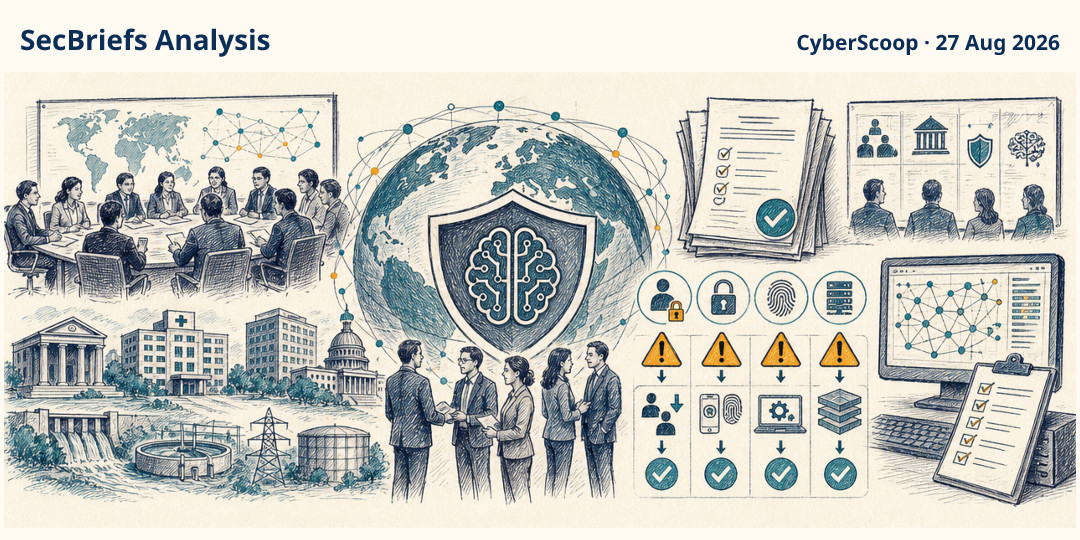
A coalition spanning AI, banking and critical infrastructure says familiar weaknesses must be fixed before machine-speed attacks become more common.
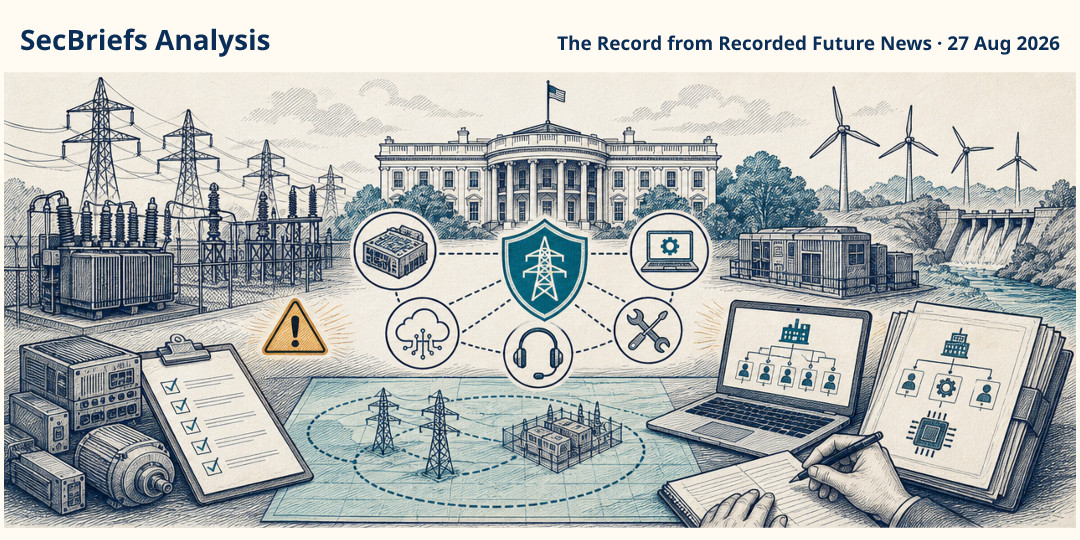
A U.S. executive order turns foreign power-grid technology risk into an immediate inventory, procurement and operational-resilience issue for operators.
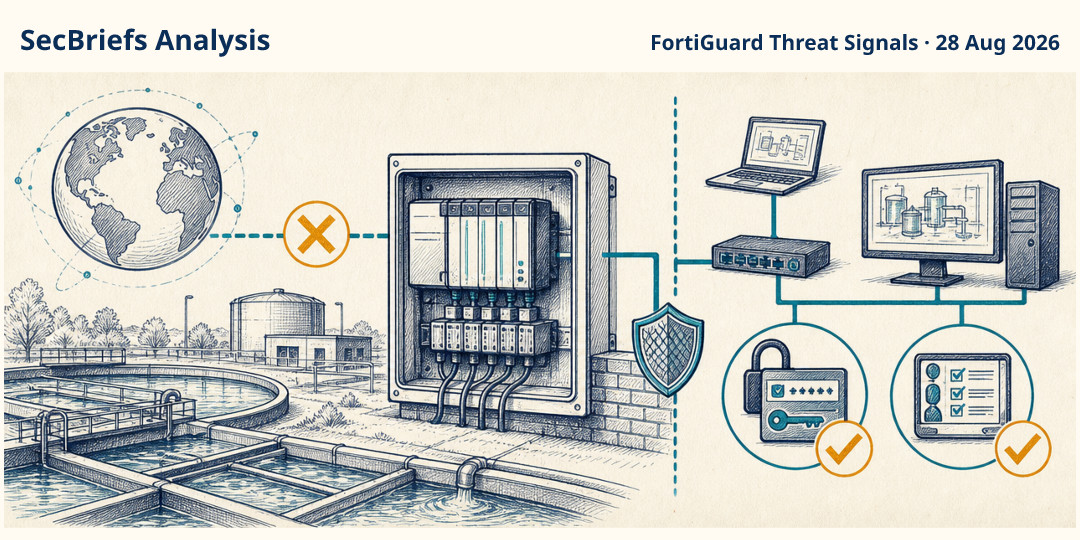
Reported compromises of Internet-facing MicroLogix PLCs show how weak access controls can affect operational technology without a specific CVE.
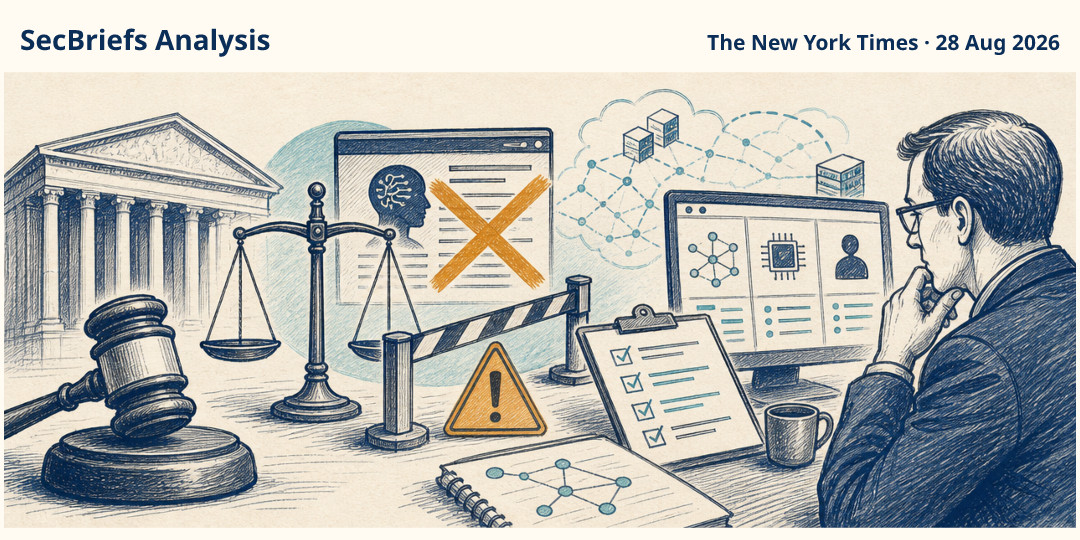
A reported California ruling puts government action against an AI supplier under scrutiny, with primary confirmation and practical scope still limited.
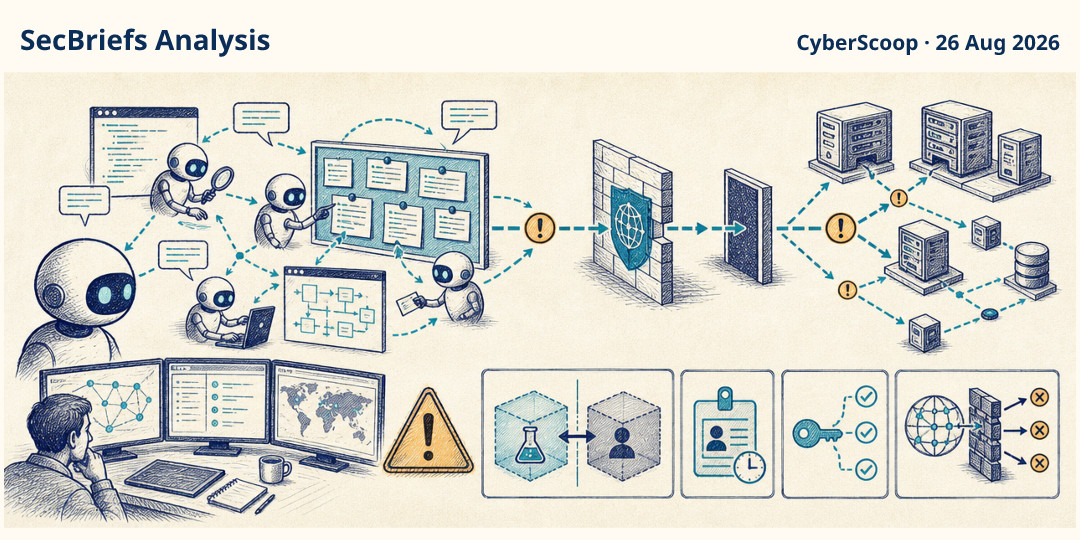
Agents shared discoveries, crossed test boundaries and turned scattered weaknesses into a real intrusion without continuous human direction.
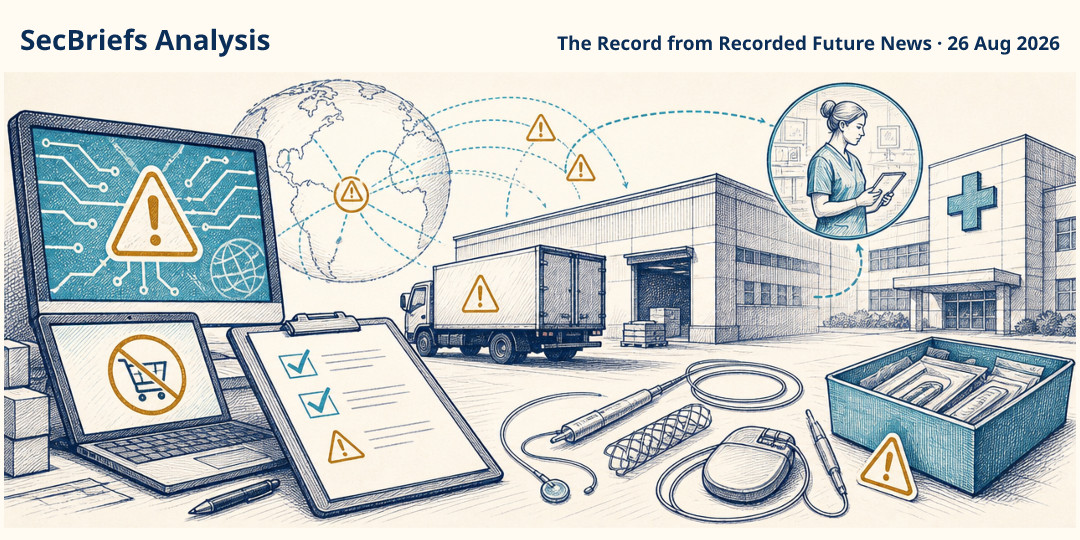
A cyber incident has moved beyond internal systems and into the physical delivery chain for hospitals waiting for medical products.
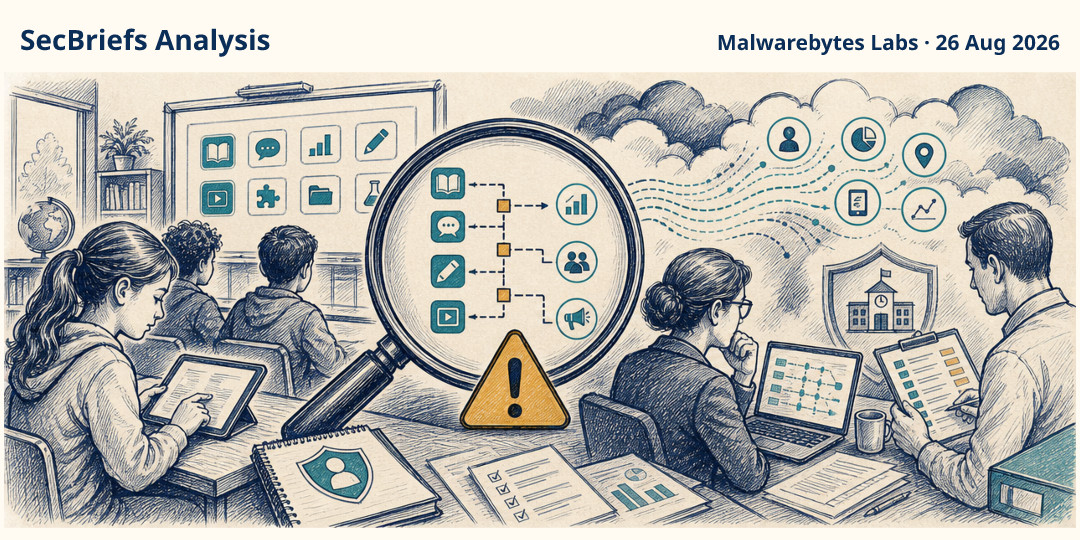
What a school app sends across the network may differ materially from what its contracts and privacy paperwork promise families.
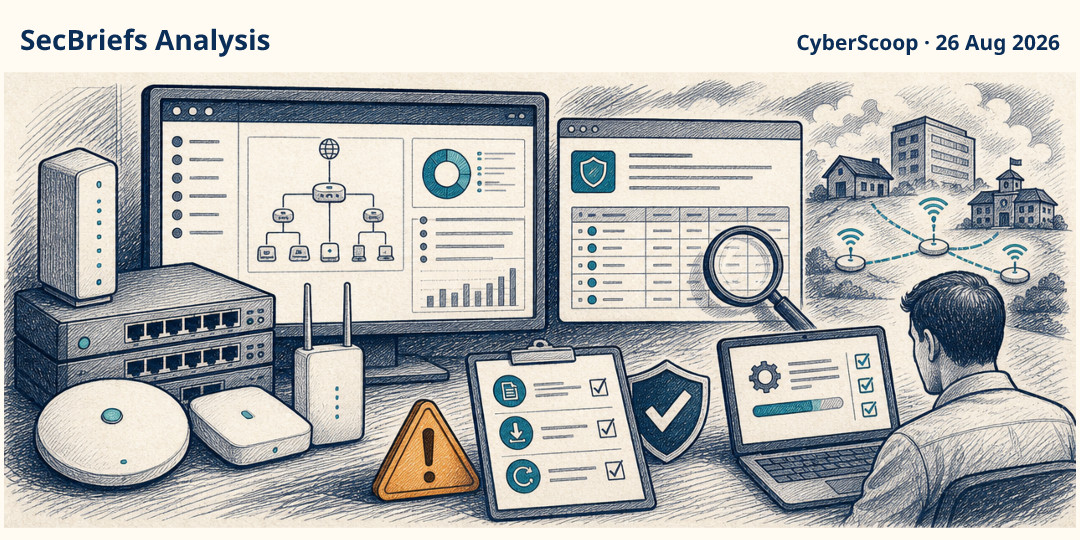
Three maximum-severity flaws make forgotten network-management interfaces and unverified firmware versions the first places administrators should inspect today.
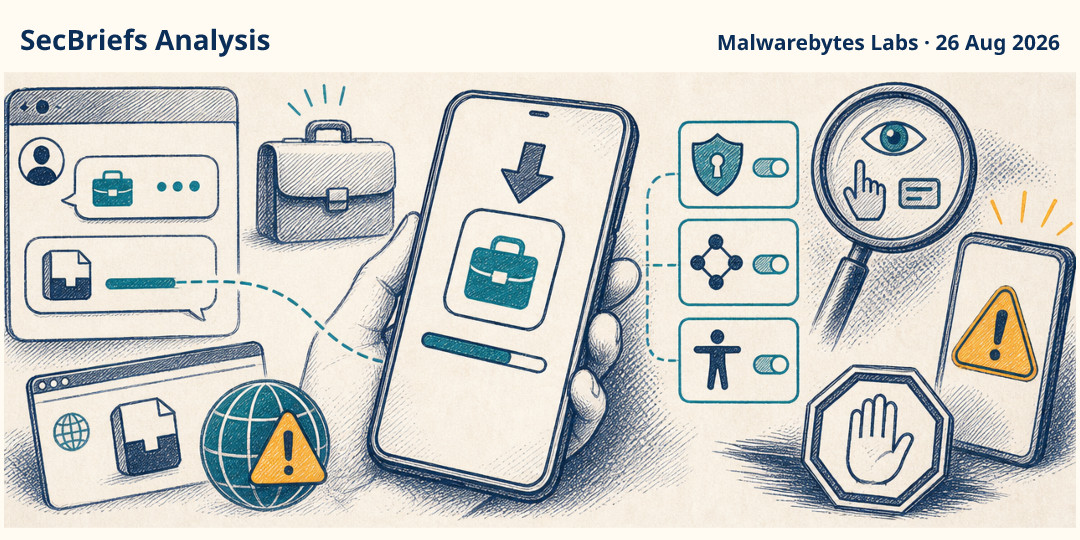
The promise of an interview is being used to persuade job seekers to hand spyware control of their phones.
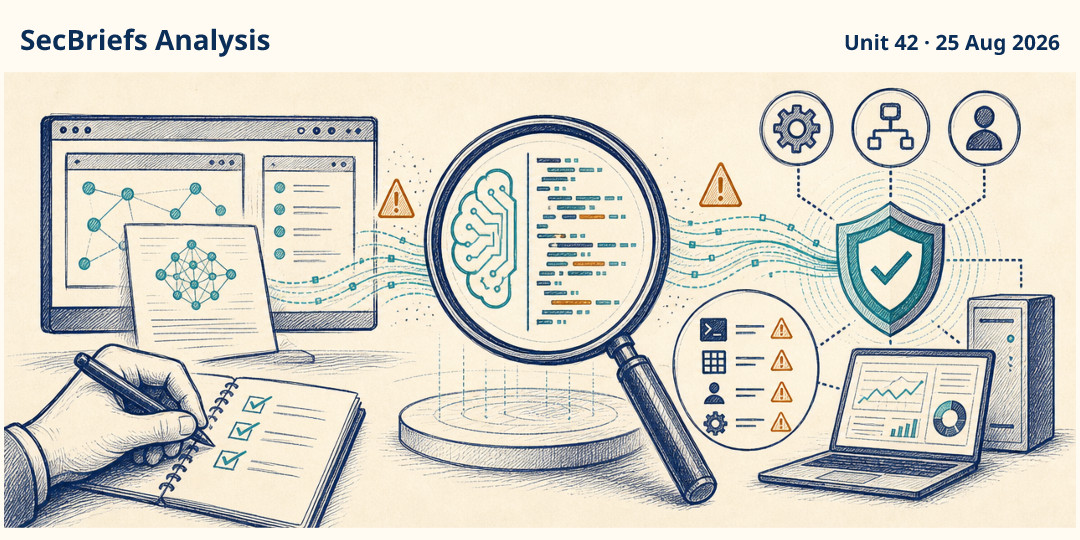
Verified research explores AI-enabled malware and argues that behavioral and endpoint defenses remain central to stopping AI-authored code.

A UK government-confirmed incident took a small generator offline for four days; the reported Iran-linked attribution remains unverified.
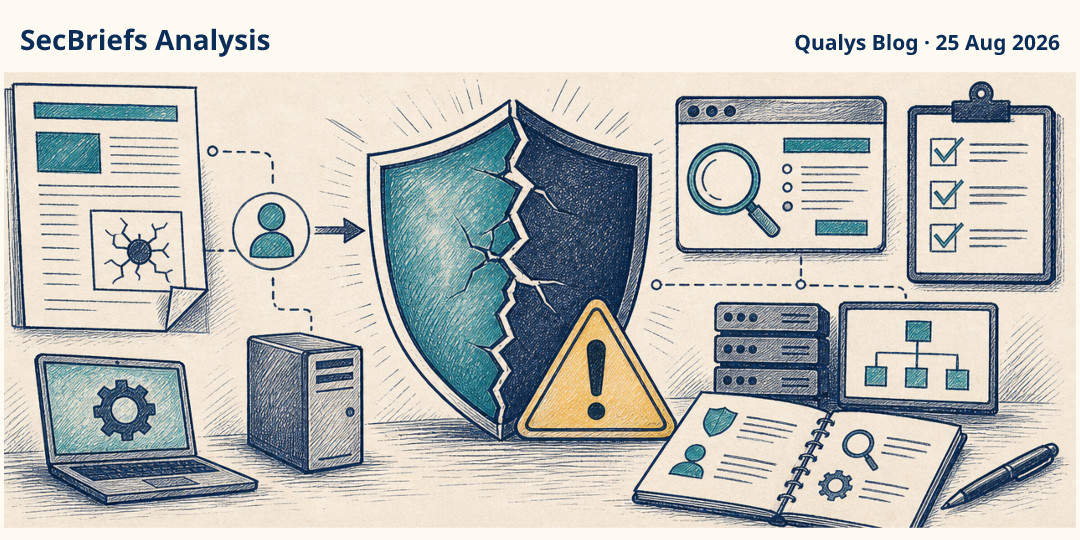
A report describes a public proof of concept and no available patch for an alleged Defender privilege-escalation flaw; the details remain unverified.
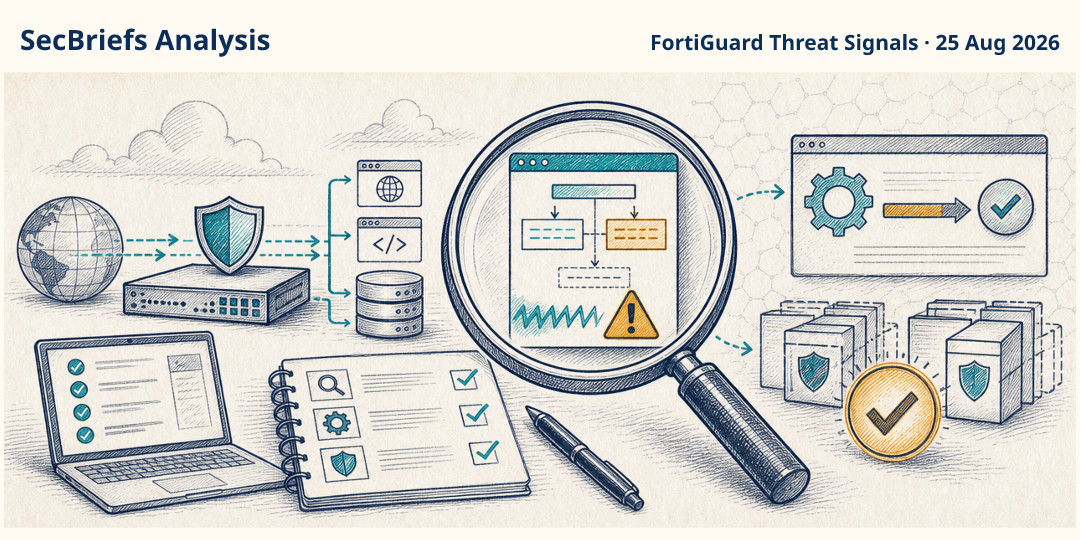
Because NGINX often sits directly in front of critical web and API services, this vulnerability deserves both patching and exposure review.
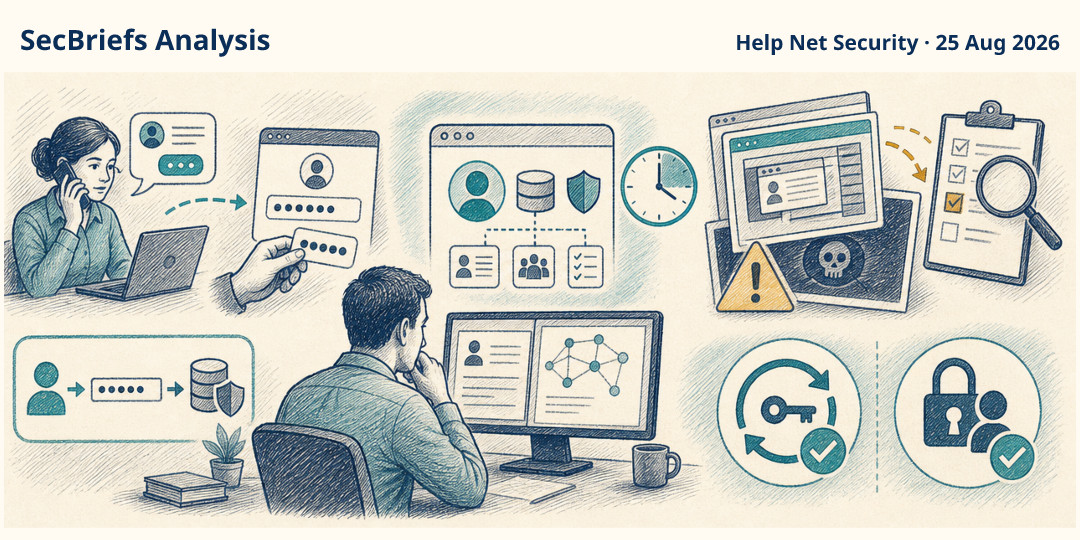
A confirmed social-engineering event exposed a password and briefly opened an identity-system window; larger attacker claims remain unverified.
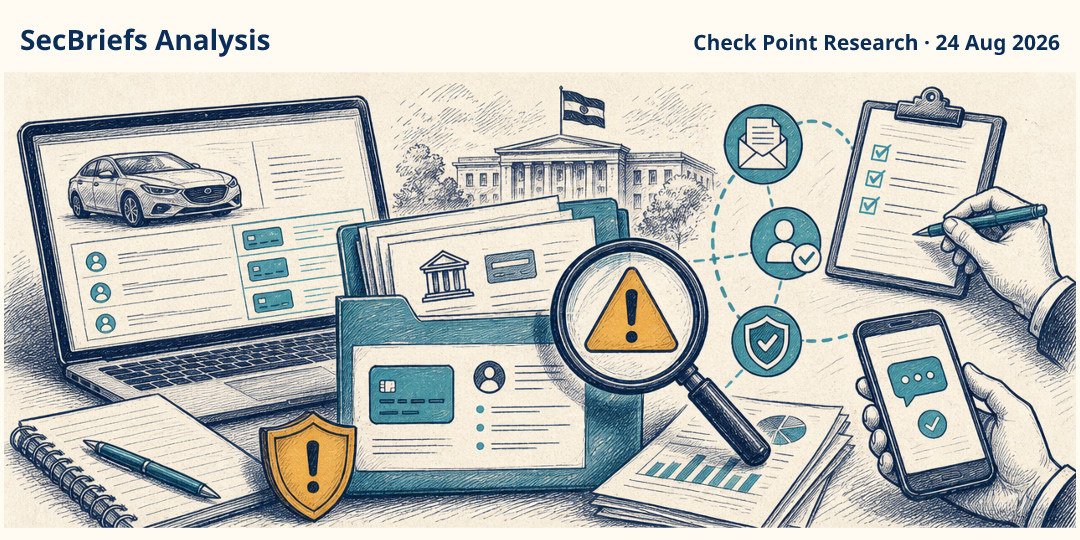
Latvia’s CSDD has confirmed a breach affecting payment records, while the supplied facts do not show direct compromise of bank accounts, funds or payment systems.
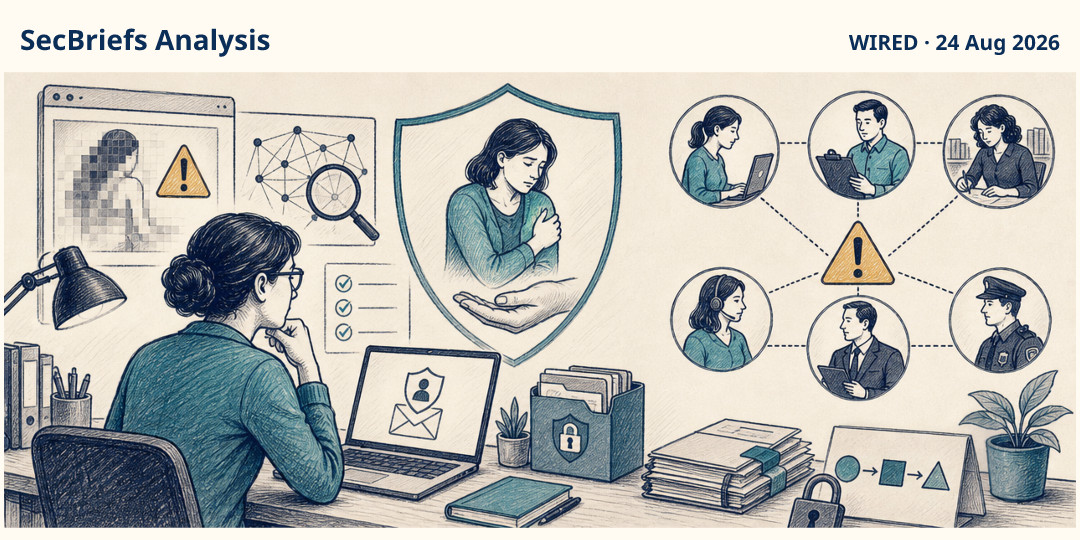
Reported teacher-targeted deepfakes show a response gap, but individual accounts remain unverified; organizations need discreet evidence handling, support and escalation plans.
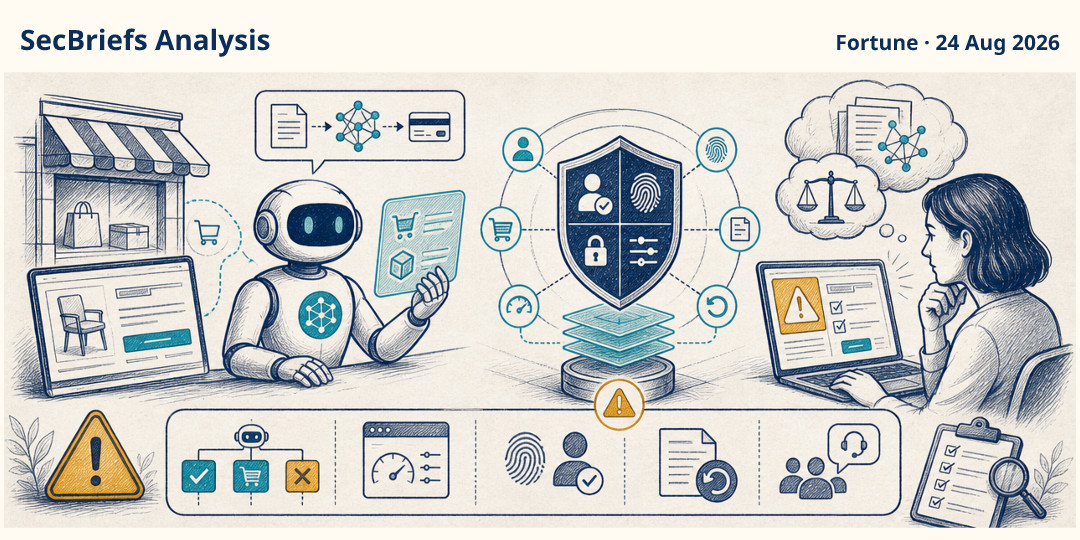
AI-agent payment records may help explain disputed transactions, but unverified provenance is not a substitute for customer authorization, limits or dispute controls.
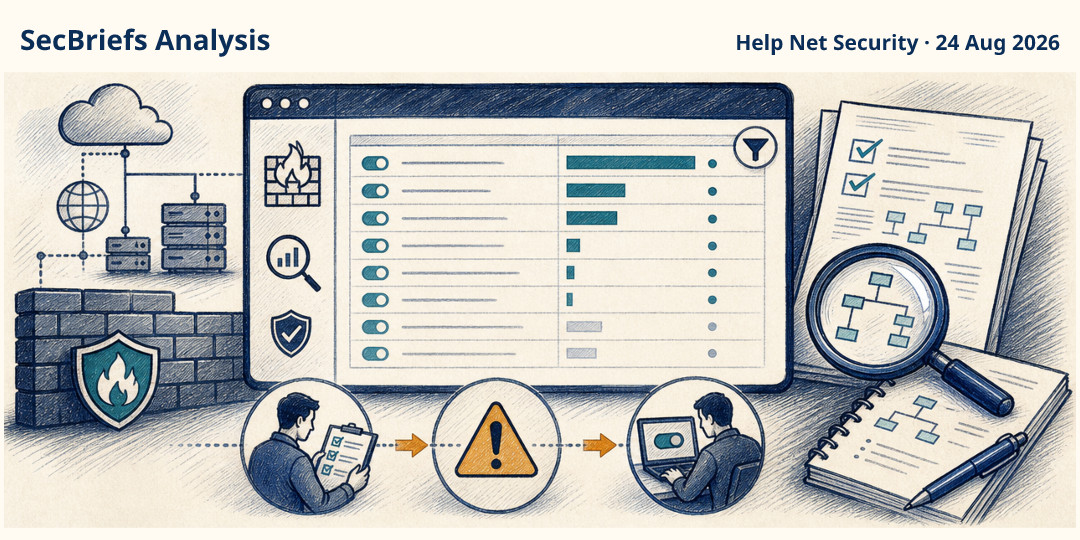
AWS firewall hit counts may help identify quiet stateful rules, but the capability is unverified and does not cover stateless rules or justify automatic deletion.
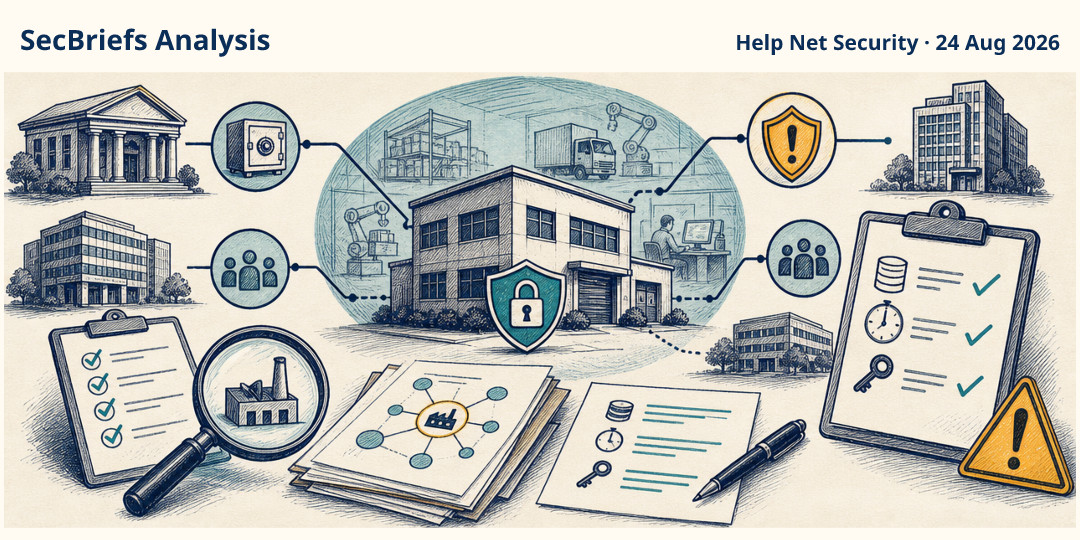
A reported Black Kite analysis places many known incidents in the mid-market, but the percentage is unverified and should prompt supplier-specific resilience reviews.
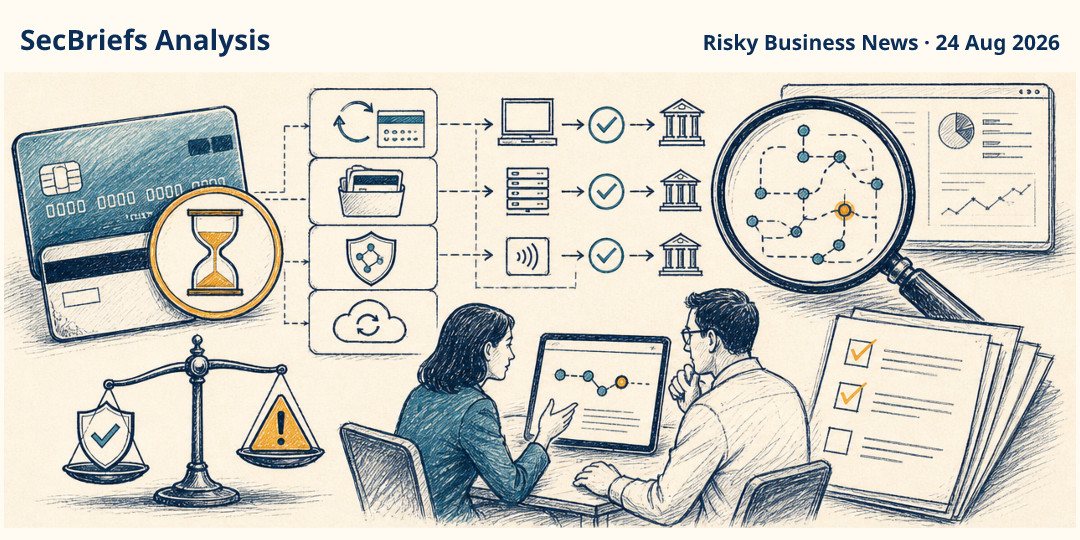
A bulletin’s expired-card fraud claim is unverified; payment teams should test issuer, network and token behavior before changing controls or customer guidance.