
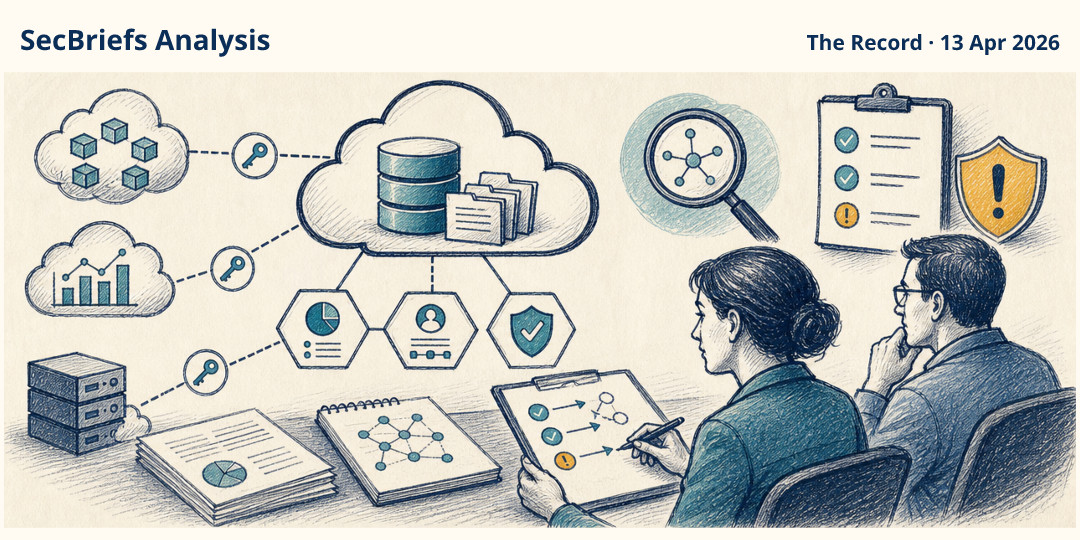
Rockstar confirms limited data access tied to third-party cloud breach
Rockstar confirmed limited company-data access through a third-party breach while rejecting the broader impact implied by attackers’ extortion claims.
3 min readOpen brief →
Verified cybersecurity, fraud and digital-banking signals with decision context, affected audiences and practical actions.
Rockstar confirmed limited company-data access through a third-party breach while rejecting the broader impact implied by attackers’ extortion claims.
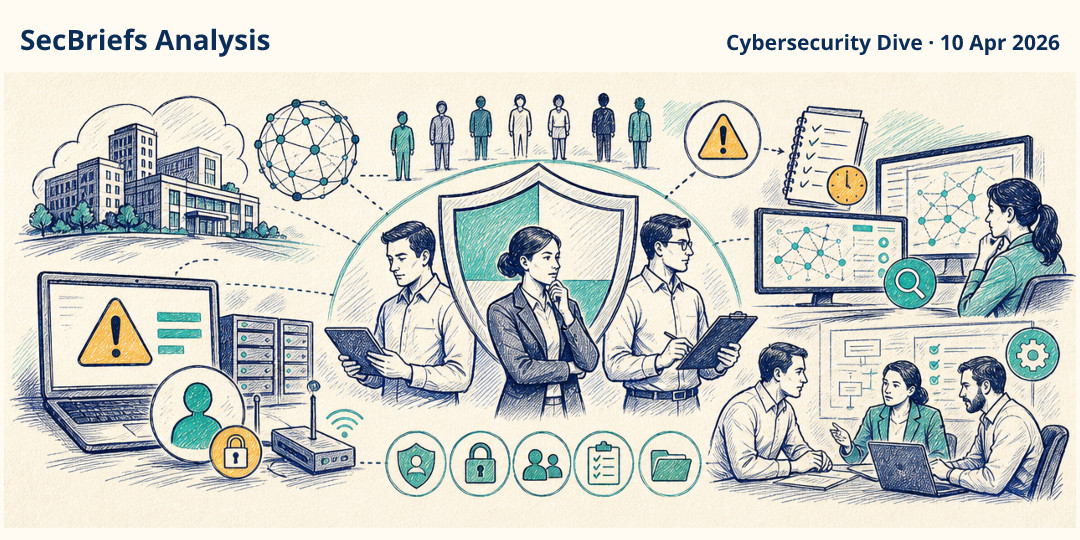
Stryker warned cyberattack costs could affect its annual results. Cybersecurity Dive documented the development in April 2026. SecBriefs checked the central claim against a primary record or genuinely…
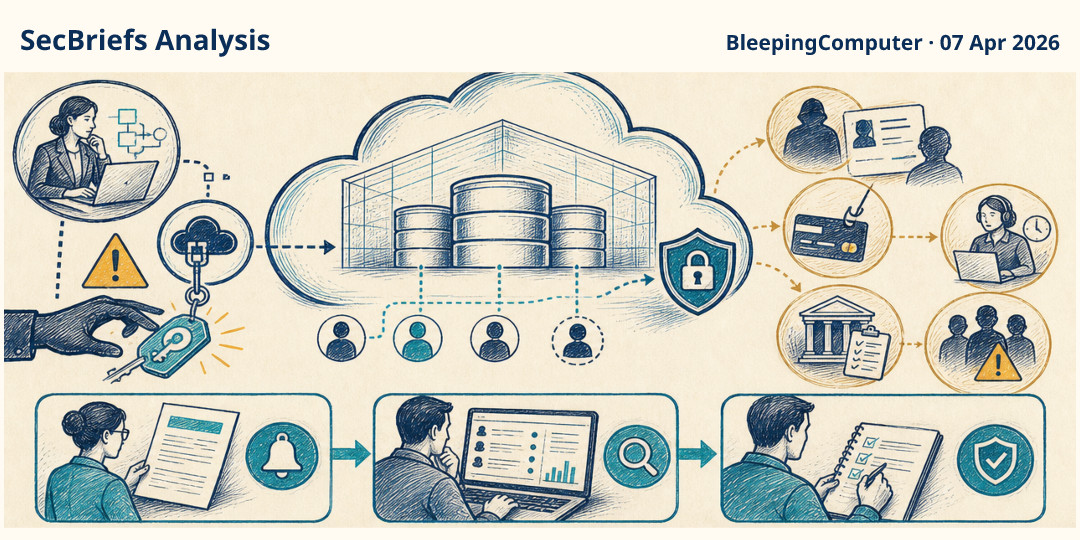
Snowflake customers faced exposure after integration-provider token theft. BleepingComputer documented the development in April 2026. SecBriefs checked the central claim against a primary record or genuinely independent reporting…
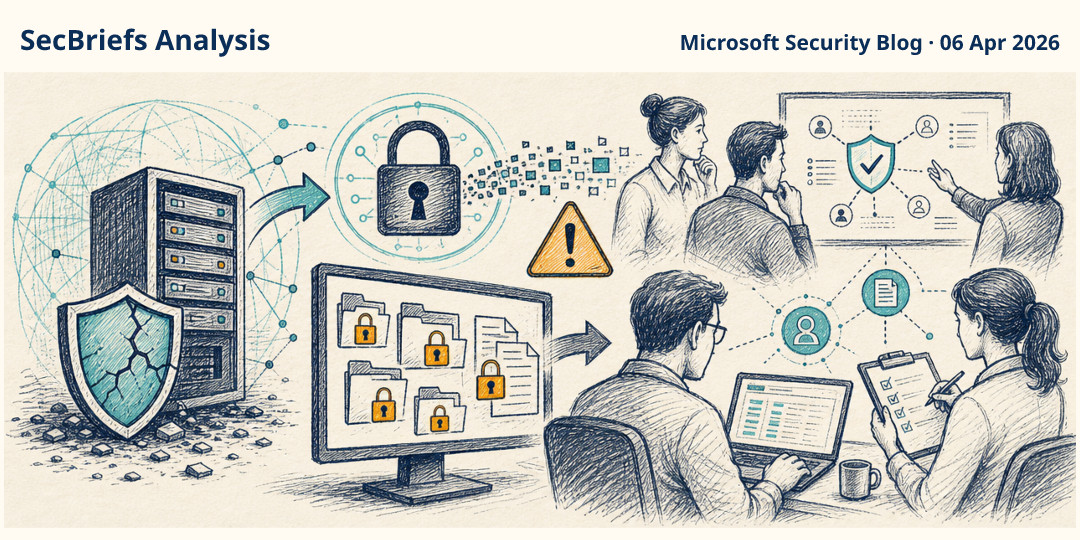
Medusa ransomware can move from exposed server to encryption within a day. Microsoft Security Blog documented the development in April 2026. SecBriefs checked the central claim against a…
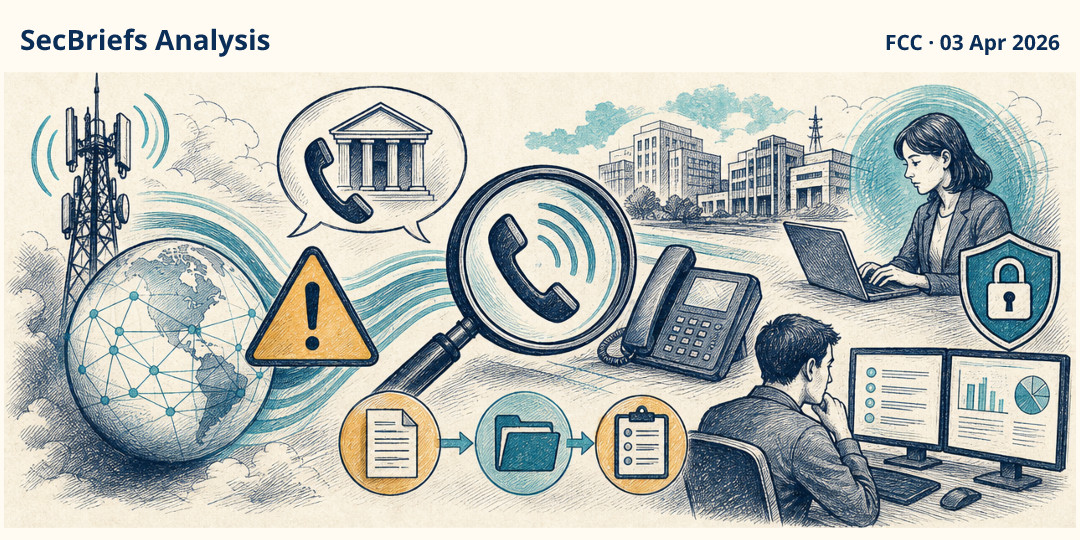
FCC action targets phone networks carrying bank impersonation scams. FCC documented the development in April 2026. SecBriefs checked the central claim against a primary record or genuinely independent…
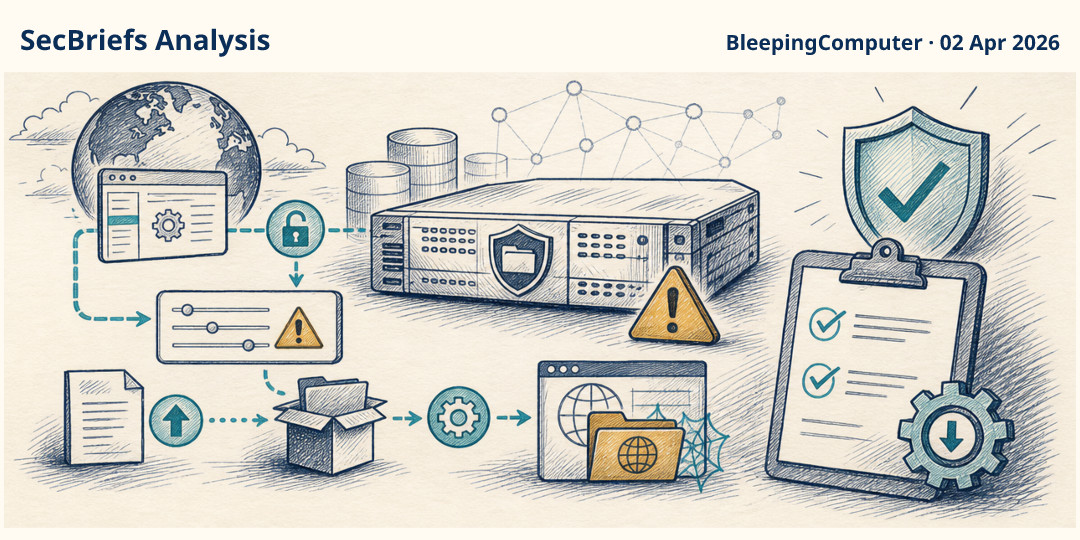
Two ShareFile flaws can be chained from authentication bypass to remote code execution, making exposed Storage Zones Controller systems a priority for patching.
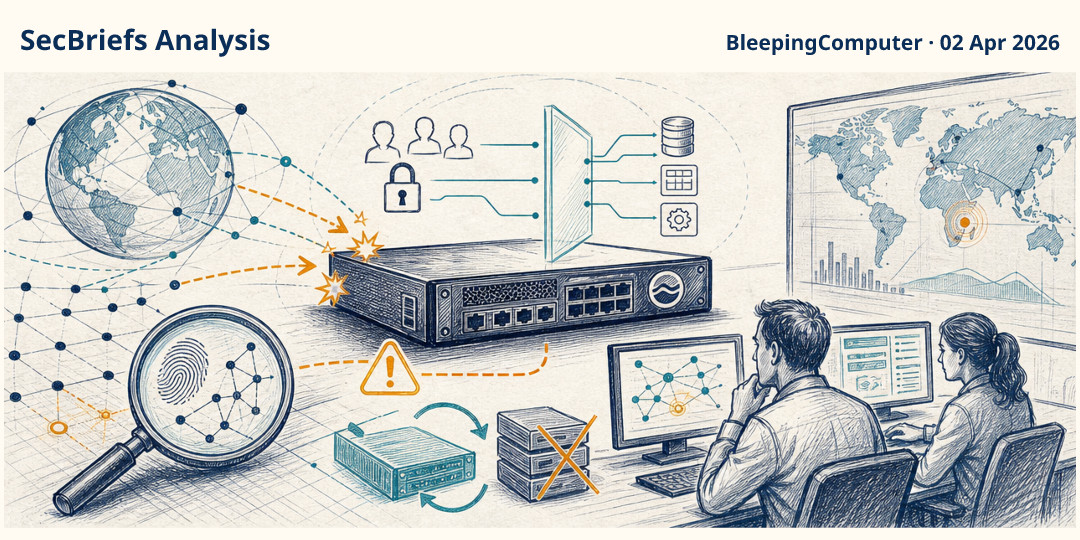
A critical F5 access-layer flaw was being exploited while thousands of internet-facing systems still appeared exposed. worldwide. today.
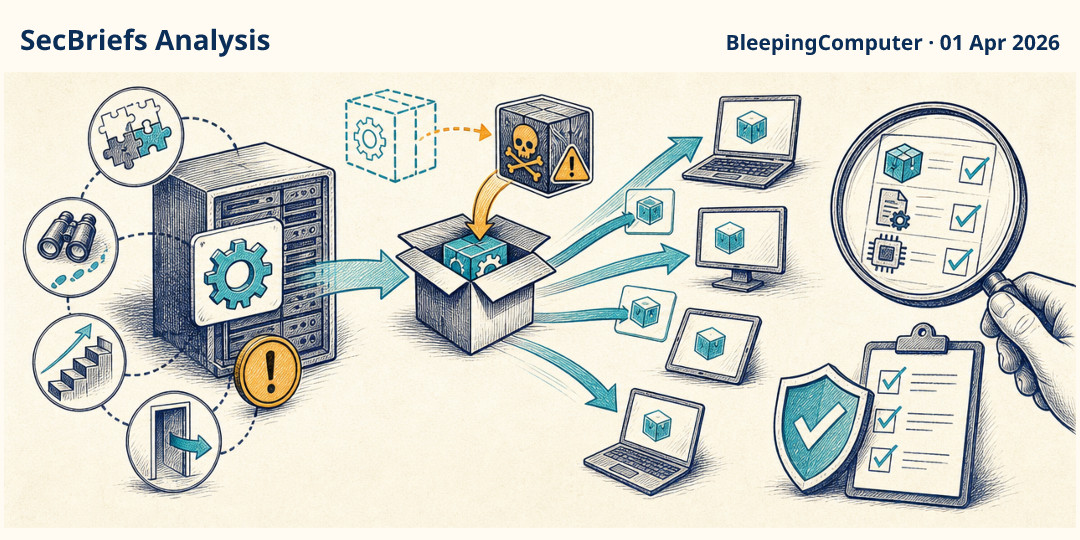
A compromised conferencing server could turn its trusted update mechanism into a malware-delivery channel for every connected endpoint.
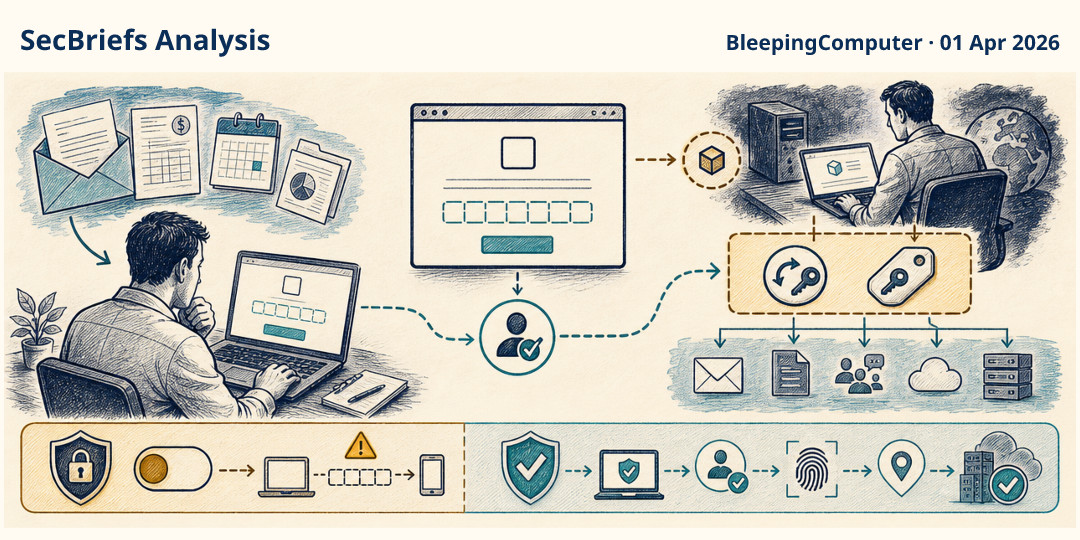
A phishing service abuses Microsoft’s legitimate device-login flow to obtain tokens that can support account takeover and business email compromise.
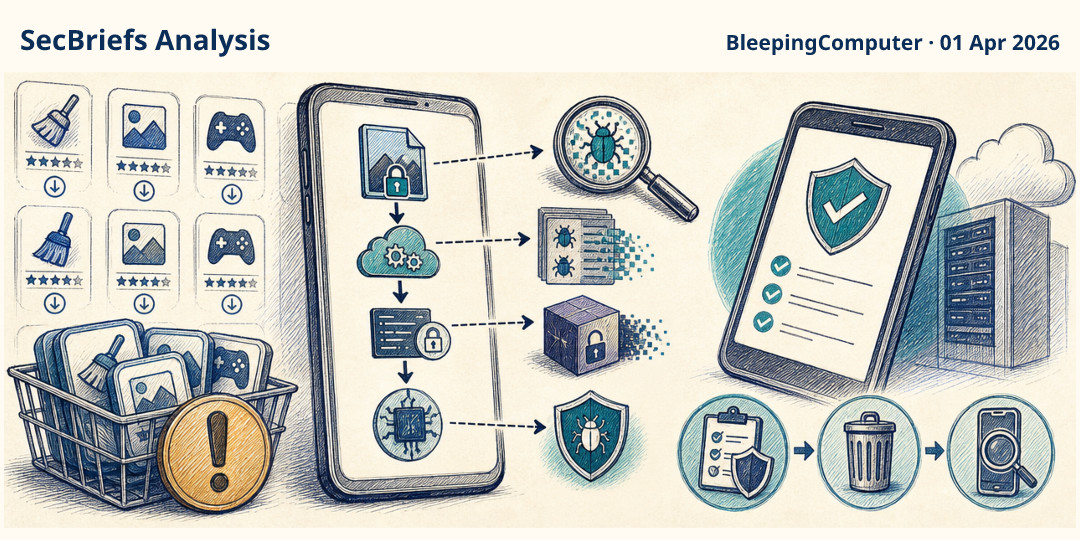
Malware hidden inside ordinary-looking Google Play apps turned old Android flaws into a large-scale device and messaging risk.
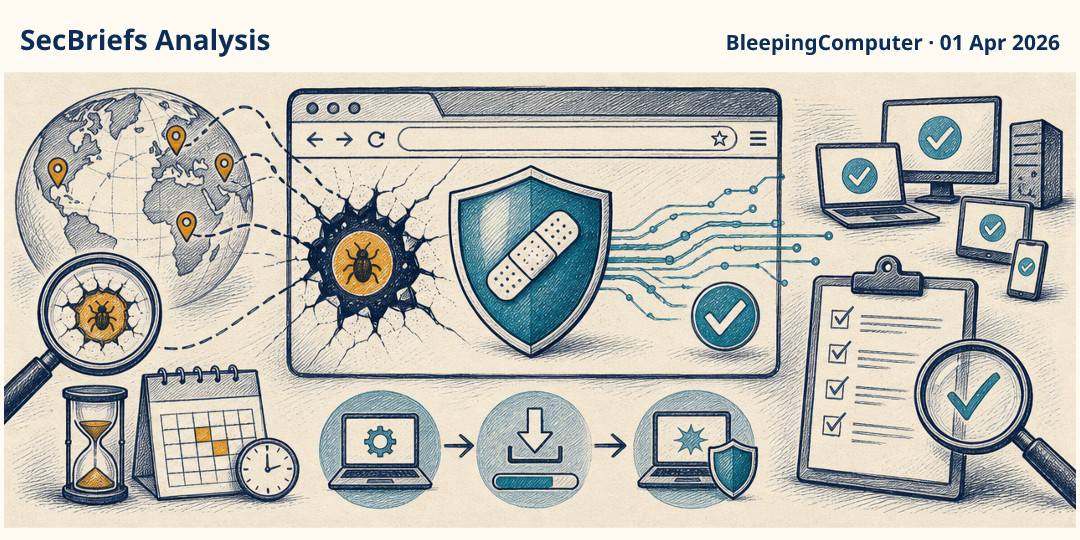
Google confirmed active exploitation of a Chrome use-after-free flaw and released an emergency update across major desktop platforms.
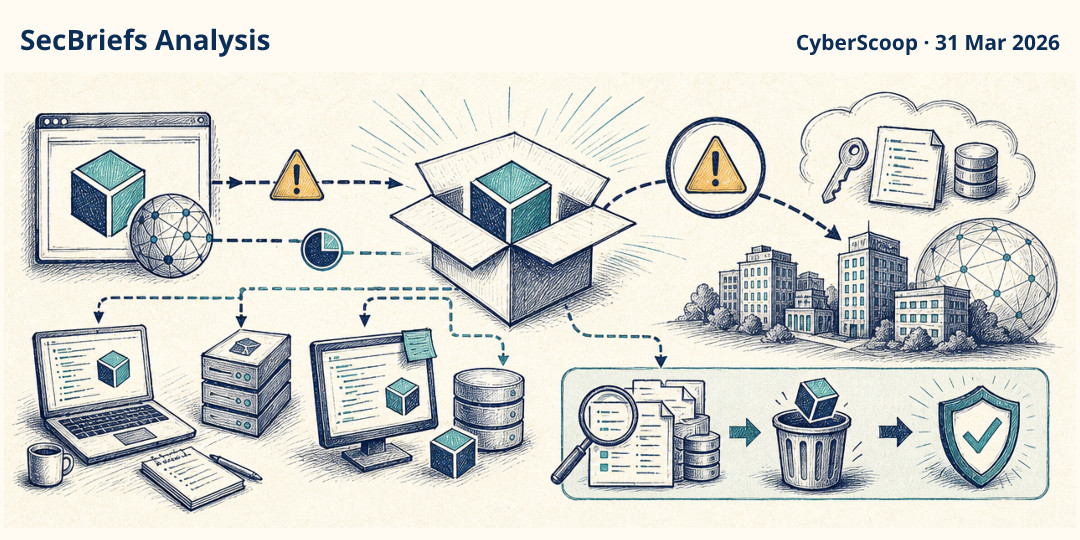
Malicious Axios releases briefly exposed developer systems to credential theft, showing how a trusted dependency can spread risk through automated builds.

A Lloyds software update exposed private transaction details across customer accounts, creating privacy and impersonation risk without reported account takeover.
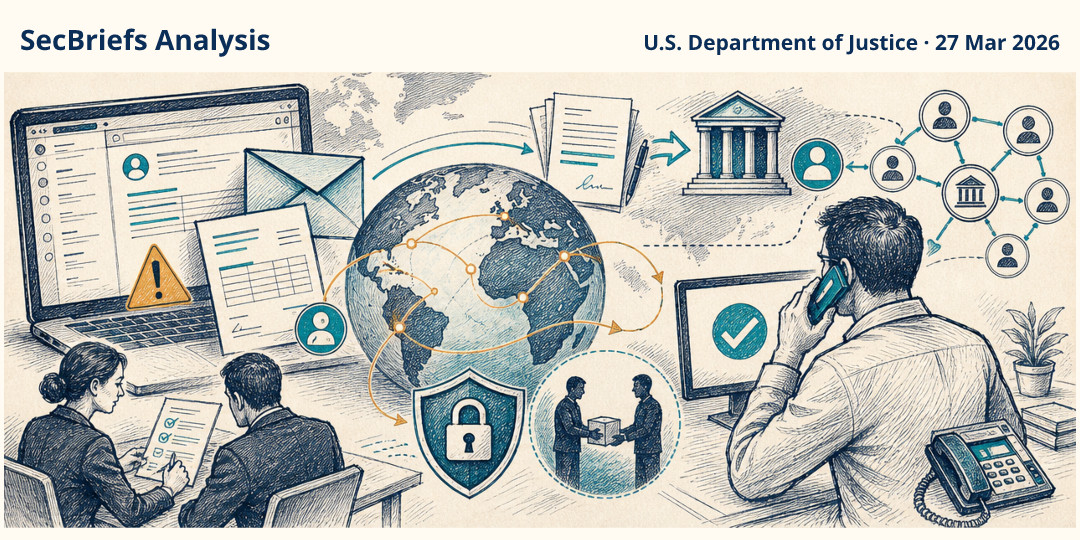
A cross-border fraud conviction shows why familiar invoices and apparently trusted mailboxes cannot replace independent approval for consequential payments.
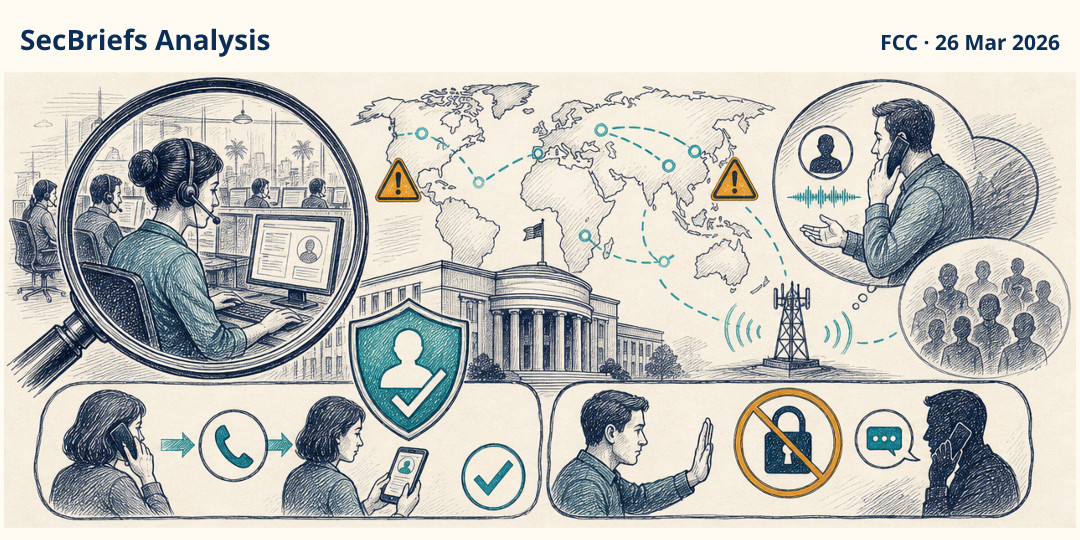
The FCC opened a rulemaking on offshore support, sensitive customer data and illegal robocalls; the proposed protections are not yet final.
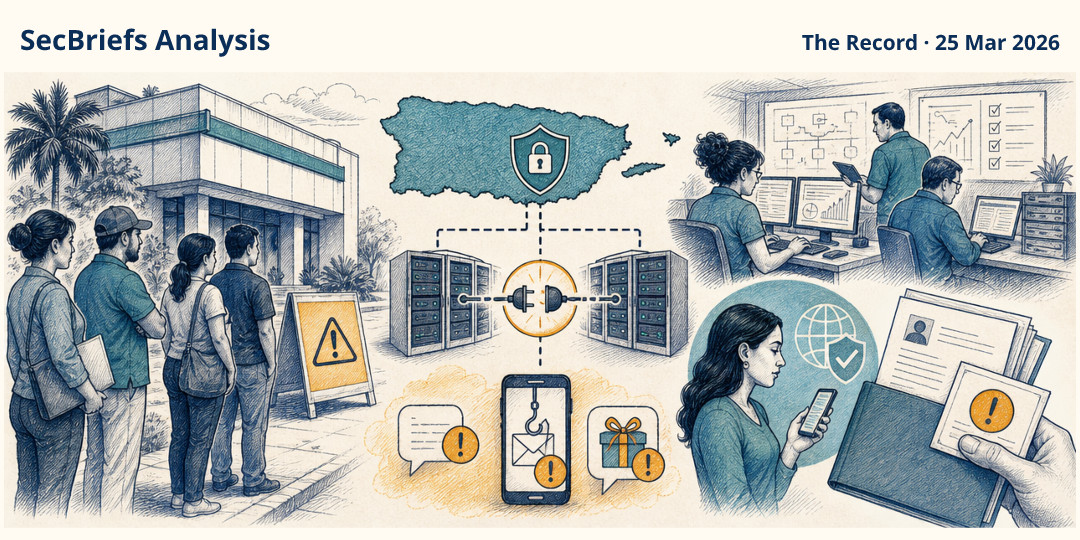
A cyberattack forced Puerto Rico to cancel driver and vehicle-service appointments, demonstrating public impact even without confirmed data theft.
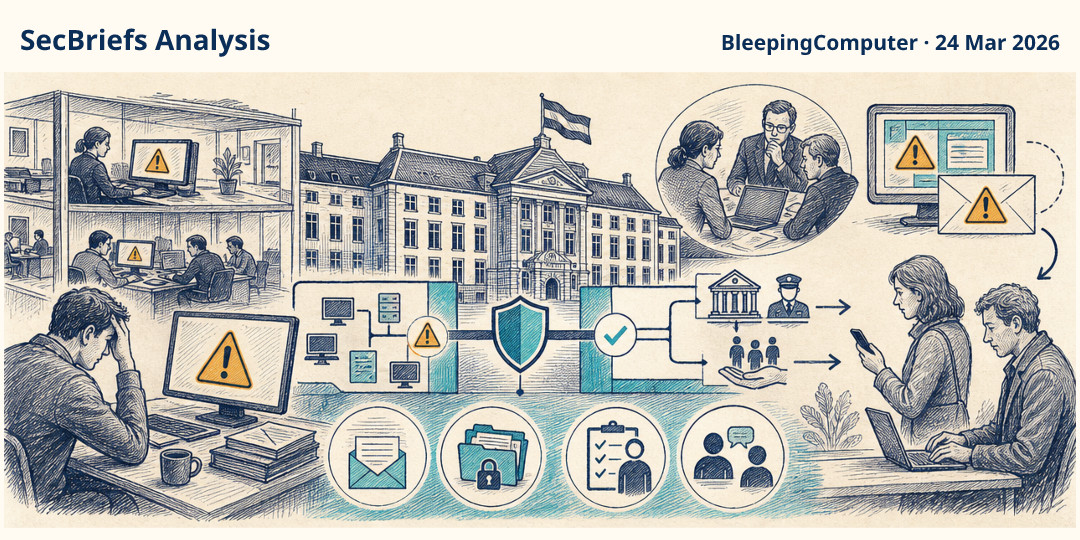
Unauthorized access disrupted work inside the Dutch Finance Ministry, while officials said tax, customs and benefits services remained available.
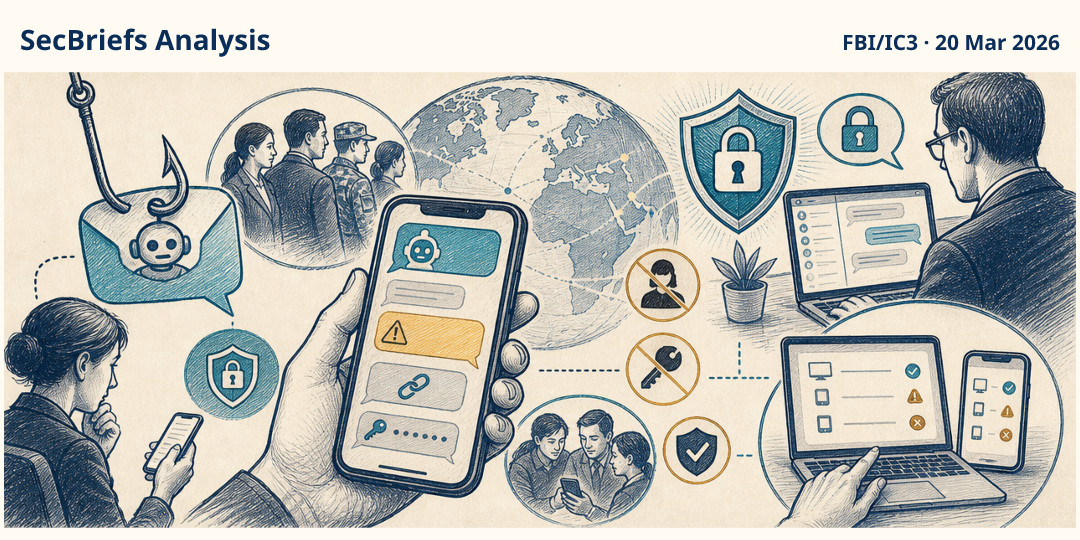
Russian-linked actors targeted messaging accounts by stealing verification codes and device access, rather than breaking the applications’ underlying encryption.

A benefits-provider breach exposed durable identity data for nearly 2.7 million people across many employers and dependent relationships.
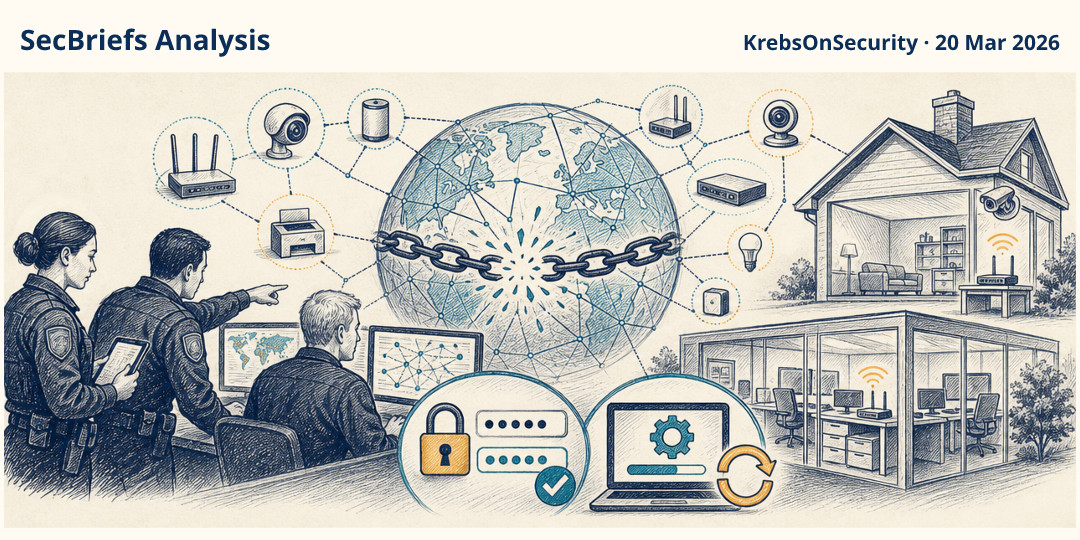
International authorities disrupted botnets built from millions of connected devices, but vulnerable routers and cameras can still be recruited again.

TELUS Digital confirmed unauthorized system access, while the claimed theft volume and attacker attribution remained unconfirmed during the investigation.
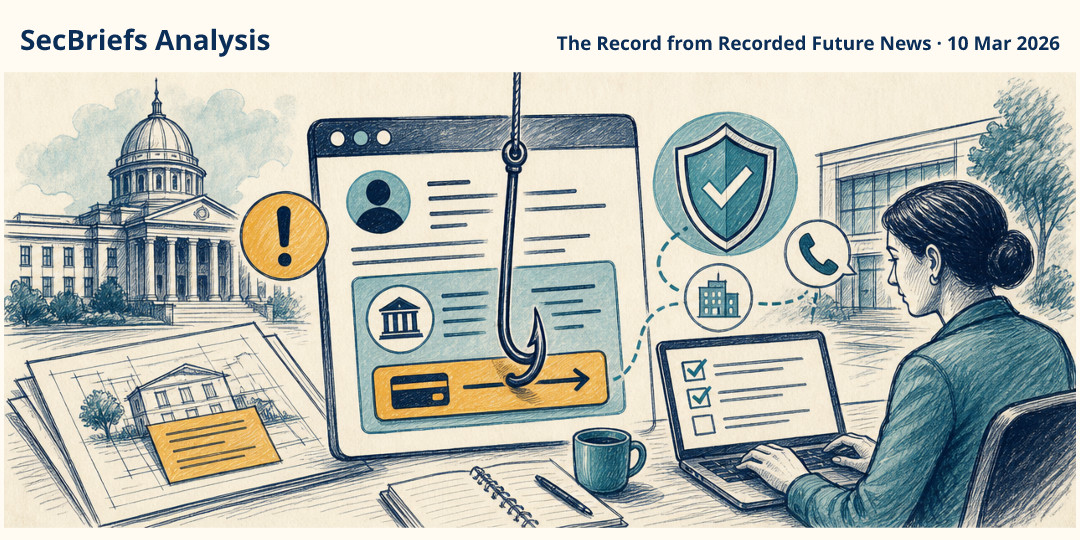
The FBI warns that convincing emails using real permit details and officials’ names are being used to target payment processes.

A reported Proton Mail disclosure highlights how payment-related account metadata can differ from protected message content and still become relevant to investigations.
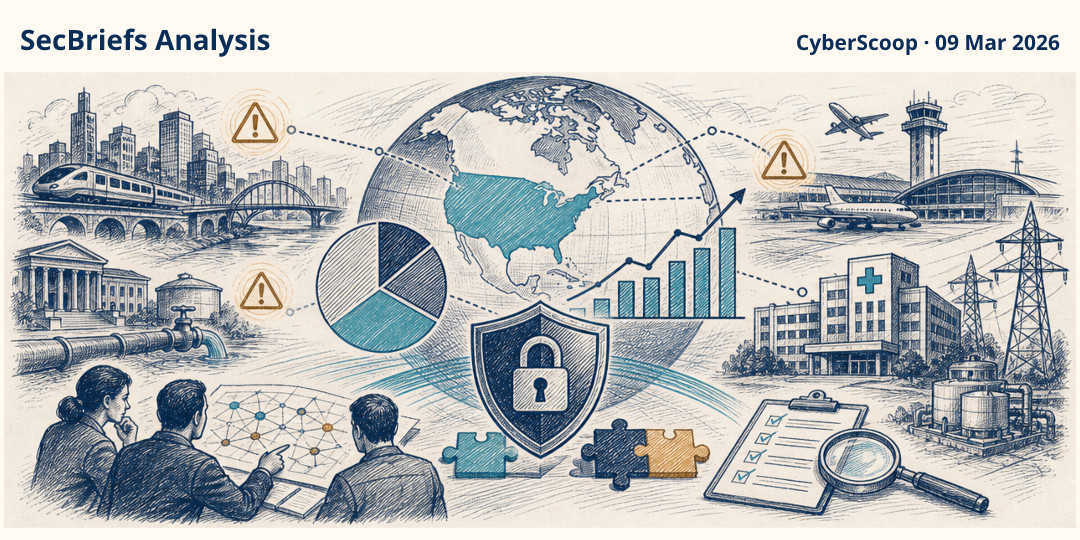
CyberScoop authors say ransomware’s routine disruption of services and infrastructure demands attention equal to its documented scale and wider public-safety consequences.